
Lieferung heute & morgen

Qualitätsgarantie

Willkommens-Angebote freischalten: KOSTENLOSE Lieferung | Bis zu 80 % RABATT | Kostenlose 30-Tage-JoyPlus-Testphase
App herunterladen
By Joybuy Product Recommendation Officer, July 28, 2026
A blue pen is more than just a writing tool. Whether for lecture notes, meeting minutes, or creative journaling, the right pen affects the readability, comfort, and longevity of your records. However, the market is saturated, and many products fail to live up to their promises. This guide will help you navigate the common pitfalls and find a pen that is perfectly tailored to your needs.
A frequent frustration is pens whose ink flow becomes irregular or dries out completely after a short time. Another problem is ink smudging, which is especially critical for left-handers or when taking notes quickly. Ergonomics are also often overlooked, which can lead to hand fatigue during long writing sessions. Instead of being swayed by marketing promises, it's wiser to focus on objective technical parameters.
To avoid making the wrong purchase, you should examine three core aspects: the ink type, the line width, and specific features like erasability or surface adhesion. These characteristics determine the ideal use case for a pen.
The type of ink directly influences the writing feel and the final look of your script.
The tip determines the precision of your work. The line width is specified in millimetres (mm).
For special requirements, there are pens with unique functions.
Based on the criteria mentioned, we have put together a selection of pens that are suitable for specific user groups and their requirements.
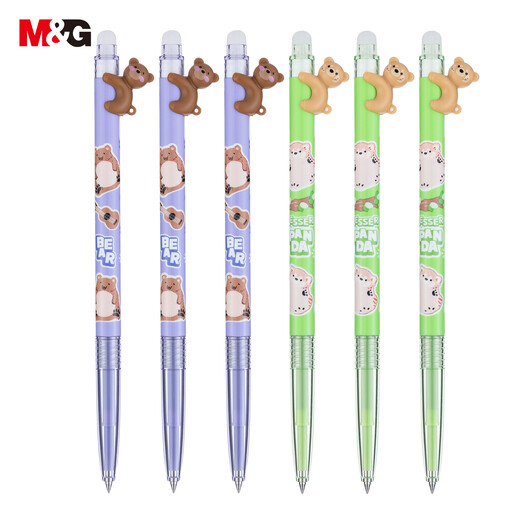
Why This Fits Their Persona: Ideal for daily school life, where mistakes need to be corrected quickly and cleanly. The fine tip allows for neat handwriting, and the set offers excellent value for everyday needs.
Bypasses the problem of messy corrections from crossing out or using correction fluid. The thermosensitive ink can be removed without a trace.
0.4 mm fine tip for precise lines; erasable gel ink for error-free notes.
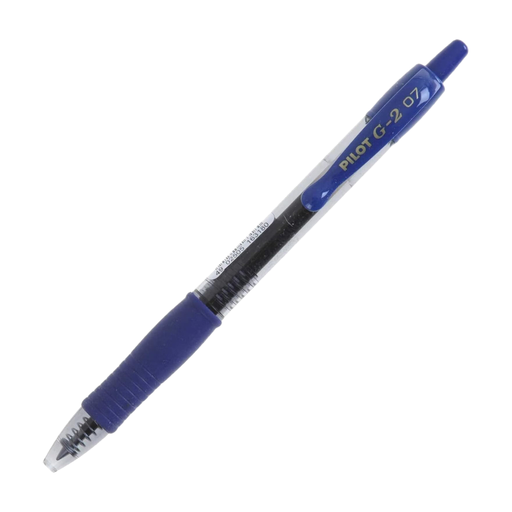
Why This Fits Their Persona: A reliable workhorse for the daily office grind. The G2 is known for its consistent, smooth script and comfortable grip, making it ideal for long meetings and note-taking.
Avoids the trap of pens with unreliable ink flow that skip mid-sentence. The gel ink technology ensures a consistent line.
Ergonomic rubber grip reduces fatigue; refillable and therefore resource-friendly.
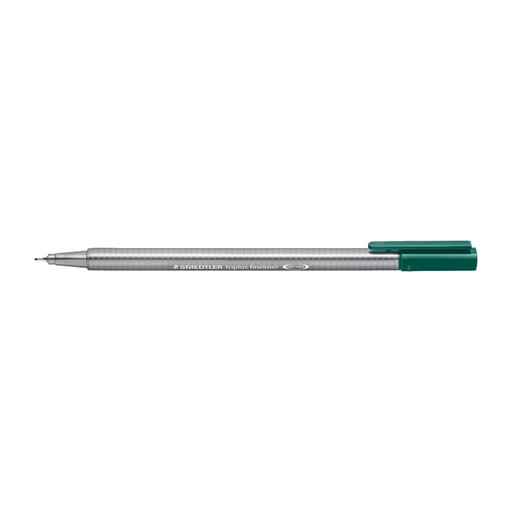
Why This Fits Their Persona: Perfect for bullet journaling, sketching, and colour-coded notes. The very fine tip and ergonomic triangular barrel allow for precise and fatigue-free work over long periods.
Solves the problem of drying out quickly. Thanks to "DRY SAFE" technology, the manufacturer claims the pen can be left uncapped for days without drying out.
Superfine 0.3 mm tip for maximum precision; ergonomic triangular barrel for a comfortable grip.
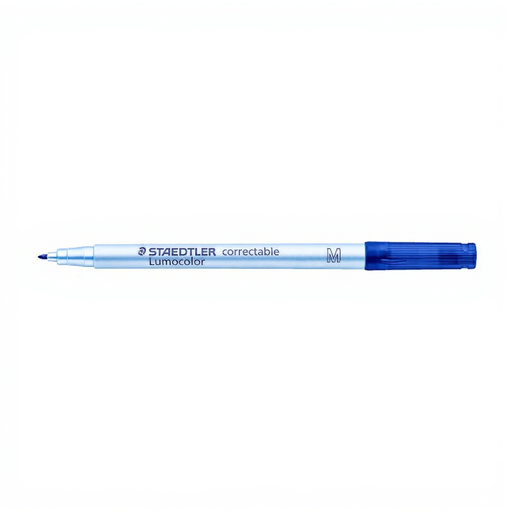
Why This Fits Their Persona: Designed for use on smooth surfaces like whiteboards, overhead transparencies, or laminated charts. Its correctable feature makes it a flexible tool for teaching and presentations.
Prevents the permanent damage to surfaces that can result from accidentally using a permanent marker. This pen is explicitly dry-erasable.
Dry-erasable from smooth surfaces; integrated eraser on the pen's end for quick corrections.
We've compiled a complete, real-time updated list of products that fully meet these strict selection criteria and all relevant regulations.
Which pen is suitable for official documents? For documents where the writing must be permanent and forgery-proof, you should use a pen with document-safe ink that complies with the ISO 12757-2 standard. These are typically ballpoint pens with oil-based ink or special gel pens. Erasable pens are unsuitable for this purpose, as their ink can be removed with heat.
How should I store pens correctly to prevent them from drying out? Most pens, especially gel pens, fineliners, and markers, should be stored horizontally. This ensures that the ink keeps the tip evenly moist and doesn't collect at one end of the ink reservoir due to gravity. Always make sure to close the cap tightly.
What does "DRY SAFE" mean on Staedtler pens? "DRY SAFE" is a technology developed by Staedtler. According to the manufacturer, pens with this feature (in accordance with ISO 554) can be left uncapped for days without the tip drying out. This is especially practical in a hectic work or school environment where it's easy to forget to cap a pen.