
Lieferung heute & morgen

Qualitätsgarantie

Willkommens-Angebote freischalten: KOSTENLOSE Lieferung | Bis zu 80 % RABATT | Kostenlose 30-Tage-JoyPlus-Testphase
App herunterladen
A blue pen is more than just a tool—it's a daily companion at school, university, and the office. But the search for the right model can quickly become overwhelming. Between promises of "buttery-smooth writing" and "ergonomic design" lie pitfalls that often only become apparent after a few weeks of use. A leaky pen in your bag or a scratchy writing experience during an important exam are annoyances that can be avoided.
This guide will help you identify the crucial features and distinguish marketing hype from genuine quality. We'll highlight the most common problems and show you what to look for when making your choice to find a reliable blue pen that meets your needs.
To avoid a bad buy, you should carefully examine three technical aspects. These largely determine the writing feel, durability, and intended use of a pen.
The choice of ink significantly affects the flow and opacity of your writing.
The line width, specified in millimetres (mm), is crucial for the intended application.
A pen must fit well in your hand. Look for a rubberised or ergonomically shaped grip zone that provides a secure hold. A triangular barrel can promote correct pen posture and prevent it from rolling away. For the mechanism, you have the choice between a capped model or a practical push-button or twist mechanism that protects the tip and can be operated with one hand.
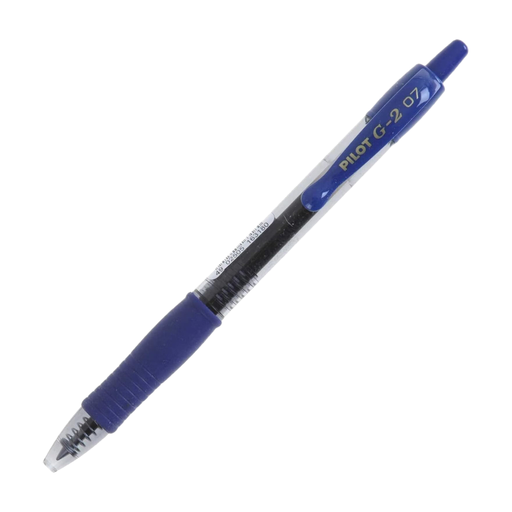
Why This Fits Their Persona: The Pilot G2 is a classic for continuous use. Its gel ink ensures a consistently smooth writing experience, while the rubberised grip zone provides comfort even during long lectures or meetings. The retractable mechanism makes it ready to use in an instant.
The reliable retractable mechanism prevents the tip from drying out. The ergonomic rubber grip prevents hand fatigue, delivering on the empty ergonomics promise made by many other models.
Consistent ink flow without skipping; refillable and therefore resource-friendly; widely available and affordable refills.
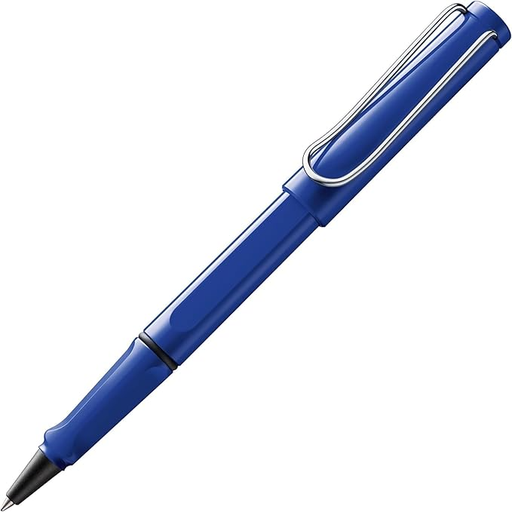
Why This Fits Their Persona: The Lamy Safari is renowned for its robustness and functional design. The body, made of durable ASA plastic, and the distinctive grip indentations make it a long-lasting and extremely comfortable writing tool for anyone who writes a lot daily.
The pronounced grip indentations are not just a design feature but a true ergonomic support that actively prevents hand fatigue. The sturdy cap closes securely, reliably protecting the refill from drying out.
Extremely durable material; the ergonomic triangular shape promotes a relaxed writing posture; the high-quality LAMY M 63 rollerball refill ensures a smooth script.
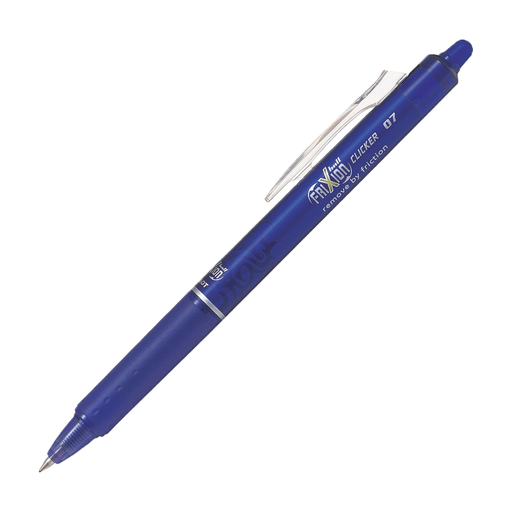
Why This Fits Their Persona: For anyone whose plans change: students, project managers, or calendar users. This pen allows you to correct mistakes or schedule changes cleanly and without a trace. Ideal for notes that evolve.
The thermo-reactive ink becomes invisible through the friction of the plastic tip at the end of the pen, rather than smudging. The paper is not damaged, which solves the most common criticism of erasable pens.
Residue-free erasing; the ink can be made visible again with cold (e.g., in the freezer); retractable mechanism for quick use.
We have compiled a complete, up-to-date list of products that fully meet these strict selection criteria.
1. What is the exact difference between a gel pen, a rollerball, and a ballpoint? The main difference lies in the ink composition. Ballpoint pens use a viscous, oil-based ink that is water-resistant. Gel pens use a water-based gel ink that provides a very smooth writing feel. Rollerballs contain very liquid, water-based ink, which creates a script similar to a fountain pen.
2. How do I store pens correctly so they don't dry out? Most manufacturers recommend storing pens like gel pens and rollerballs horizontally. This ensures that the ink evenly coats the tip and doesn't sink to one end of the ink reservoir due to gravity. For capped pens, the most important measure is to cap them tightly after use.
3. Do erasable pens really work on all types of paper? Erasable pens that work with thermo-reactive ink (like the Pilot Frixion) perform very well on most common types of paper. On very smooth, coated, or glossy paper, the frictional heat may not be sufficient to make the ink completely disappear. It's advisable to test it on an inconspicuous area first.