
Lieferung heute & morgen

Qualitätsgarantie

Willkommens-Angebote freischalten: KOSTENLOSE Lieferung | Bis zu 80 % RABATT | Kostenlose 30-Tage-JoyPlus-Testphase
App herunterladen
A body fat scale with an app can be a useful tool for tracking fitness goals and understanding changes in your body composition. However, the market is flooded with devices whose marketing promises often create more confusion than clarity. Many users invest in a smart scale, only to find that the measurements are unreliable or the companion app is unusable. This guide will show you what to look for to make an informed decision.
Before you decide on a model, you should be aware of the typical marketing traps that often lead to disappointment.
To avoid a bad purchase, focus on the technical fundamentals that define a reliable body composition analysis scale.
Modern body fat scales use Bioelectrical Impedance Analysis (BIA). This method sends a weak, imperceptible electrical impulse through the body. Since fat, muscle, and water conduct electricity differently, the scale can calculate the proportions of your body composition from the resistance (impedance). The quality of the electrodes on the standing platform is crucial for accuracy and, most importantly, for the consistency of the measurements. Look for models with four precise electrodes that ensure stable data acquisition.
The app is the control centre of your smart scale. A good app should have the following features:
Instead of presenting a confusing list, we have selected products that meet specific needs and help you avoid the pitfalls mentioned above.
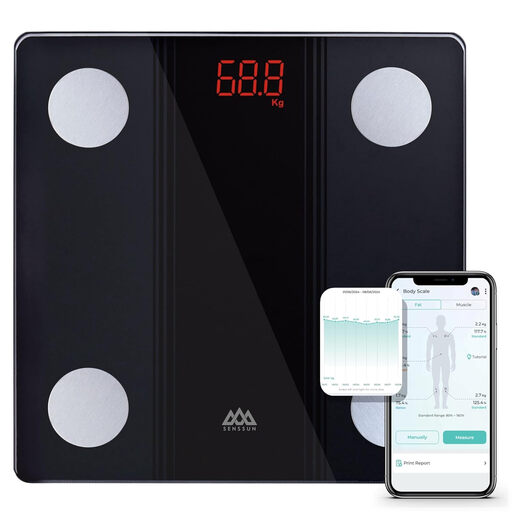
Why This Fits Their Persona: Ideal for individuals and families who want to start with data-driven health monitoring. The scale provides essential body composition metrics and syncs them effortlessly with the MovingLife app for easy progress analysis.
Focuses on 14 fundamental metrics using BIA technology, thus avoiding an overload of speculative data. The four stainless steel precision electrodes are designed for consistent measurements.
Automatic recognition and data storage for up to 15 users. The 5mm tempered glass platform ensures stability and a modern design.
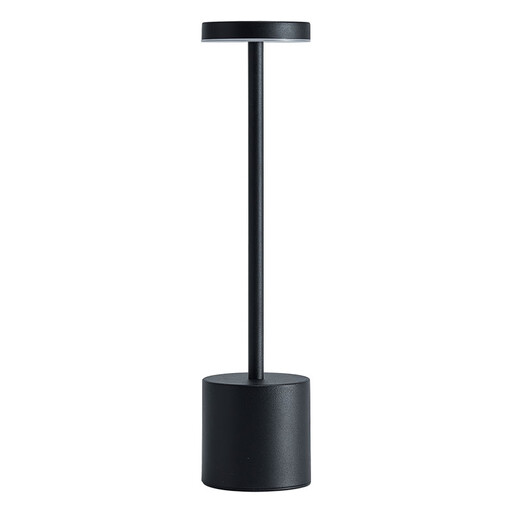
Why This Fits Their Persona: A healthy lifestyle is built on routines. This dimmable, cordless lamp creates a calm atmosphere in the bedroom or bathroom for the morning weigh-in, without relying on harsh overhead lighting.
This product addresses a related aspect: creating a consistent, stress-free environment for health rituals, which can indirectly support the reliability of measurements.
Cordless and rechargeable with up to 48 hours of battery life. Three colour temperatures and stepless dimming via touch control for fully customisable lighting.

Why This Fits Their Persona: Tracking body composition is often part of a larger goal of self-optimisation. This versatile grooming kit complements the fitness journey by ensuring that one's external appearance aligns with internal progress.
While a scale measures internal changes, this tool helps with external grooming. It's a practical addition for anyone taking a holistic approach to their well-being.
Complete 5-in-1 system for hair, beard, body, and nose. The device is IPX7 waterproof, making it easy to clean under running water.
We have compiled a complete, up-to-date list of products that fully meet these strict selection criteria and German safety regulations.
No BIA scale for home use can match the precision of medical-grade equipment like a DEXA scan. Their main advantage lies not in absolute accuracy, but in consistency. If you take measurements under consistent conditions (e.g., in the morning after waking up, barefoot, on a level surface), the scale can show reliable trends. These trends are crucial for evaluating the progress of your fitness and nutrition efforts.
Most models also function as a conventional bathroom scale without the app, displaying your weight on the screen. However, the advanced body composition analysis features, data storage, and trend tracking are exclusively accessible through the connected smartphone app. Without the app, these devices lose their "smart" character and their main benefit.
For the most reliable baseline reading, you should keep a few points in mind. Place the scale on a hard, level surface—carpets or uneven tiles can distort the result. Take the measurement barefoot, as the electrodes require skin contact. Ideally, you should always weigh yourself at the same time of day, preferably in the morning after using the restroom and before breakfast, to ensure the comparability of the data.