
Lieferung heute & morgen

Qualitätsgarantie

Willkommens-Angebote freischalten: KOSTENLOSE Lieferung | Bis zu 80 % RABATT | Kostenlose 30-Tage-JoyPlus-Testphase
App herunterladen
Finding the right Bluetooth headphones can quickly become overwhelming. Manufacturers advertise long battery life, total noise cancellation, and perfect sound. But all too often, these promises turn out to be exaggerated in everyday use. As a Joybuy Product Recommendation Officer, I'm here to help you separate marketing hype from reality and make an informed decision. In this guide, we'll highlight the most common pitfalls and the crucial criteria for your selection.
Many buyers regret their purchase because they fell for common marketing traps. Pay close attention to these three points to avoid making the wrong choice:
To find the right wireless headphones, you should focus on objective technical features. These three factors are crucial for performance and longevity:
The design significantly determines wearing comfort, sound isolation, and the ideal use case.
The codec determines how audio data is compressed and transmitted wirelessly. It has a direct impact on sound quality.
The size and material of the drivers determine the sound profile. Large drivers (e.g., 40mm in over-ear headphones) can produce more powerful bass. For a gaming headset or an office headset with a microphone, the quality of the microphone is also crucial. Models with AI-powered noise reduction for the microphone filter out background noise and ensure crystal-clear calls or in-game chat.
Based on these objective criteria, we have selected a few models for specific user groups.
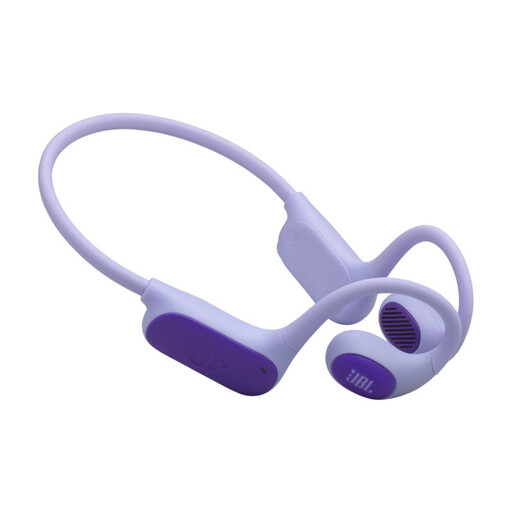
Why this model fits: These headphones for kids were designed specifically for safety and comfort. The open-ear design ensures that children remain aware of their surroundings, which increases safety outdoors.
Instead of vague safety promises, this model offers a concrete, app-controllable volume limit of 85 dB (JBL Safe Sound) to protect children's hearing.
JBL OpenSound technology for situational awareness; parental controls via app to manage volume and usage time.
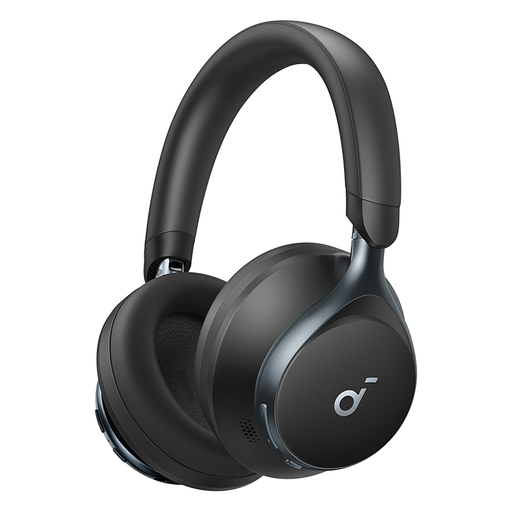
Why this model fits: Ideal for commuters and use in open-plan offices. The focus is on strong noise cancellation and long battery life for undisturbed work or travel.
This model avoids the ineffective ANC trap by specifically targeting mid and high frequencies (like voices), according to the manufacturer. The battery life is clearly stated as 40 hours with ANC enabled—a reliable figure.
Adaptive noise cancellation; 40 hours of playtime with ANC; support for Hi-Res Audio via the LDAC codec.
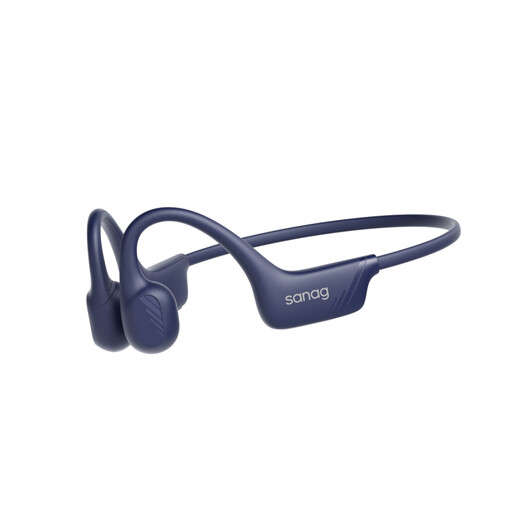
Why this model fits: These sports headphones use bone conduction technology to keep the ears open. This is ideal for runners, cyclists, and other outdoor athletes who want to listen to music while remaining aware of traffic and other ambient sounds.
Instead of a vague claim about water resistance, this model is explicitly designed to be "water and sweat-resistant" for athletic use. The open-ear design is a clear functional feature for safety, not an empty marketing phrase.
Open-ear design via bone conduction for full environmental awareness; secure fit during movement; sweat resistance.
We have compiled a complete, up-to-date list of products that fully meet these strict selection criteria and rigorous safety standards.
The actual battery life depends heavily on usage. Factors like high volume, the use of Noise Cancellation (ANC), and the quality of the Bluetooth connection can significantly reduce the manufacturer's stated runtime. For a realistic estimate, expect about 60-70% of the advertised maximum playback time in everyday use.
Not necessarily. The price often correlates with the effectiveness of noise cancellation across a broad frequency spectrum. Cheaper models are often only effective against low, constant noises. However, a higher price can also indicate better materials, superior comfort, additional features like Hi-Res Audio codecs (e.g., LDAC), or longer battery life. The key is whether the features of the more expensive model match your personal needs.
The IP (Ingress Protection) rating indicates how well a device is protected against the entry of foreign objects (first digit) and water (second digit). For sports headphones, the second digit is particularly important: