
Lieferung heute & morgen

Qualitätsgarantie

Willkommens-Angebote freischalten: KOSTENLOSE Lieferung | Bis zu 80 % RABATT | Kostenlose 30-Tage-JoyPlus-Testphase
App herunterladen
The selection of Bluetooth headphones is overwhelming. Manufacturers advertise with impressive numbers and technical jargon, but not every promise holds up to real-world use. Misguided expectations often lead to disappointment and unnecessary expenses. This guide will help you identify the crucial features, sidestep marketing traps, and find a model that truly fits your needs.
As a Joybuy Product Recommendation Officer, I analyse product data to offer you objective and practical guidance.
Before we dive into the important technical details, let's examine three common marketing promises that often lead to purchase mistakes.
To find the right wireless headphones, you should focus on verifiable technical specifications that directly impact your daily use.
The form factor is the most fundamental decision and depends entirely on your primary use case.
The quality of the wireless connection is about more than just a version number. Pay attention to two aspects:
A pair of headphones with a microphone is standard today, but call clarity varies enormously. For clear phone calls and video conferences, models with multiple microphones and noise-cancelling technologies like ENC (Environmental Noise Cancellation) or cVc (Clear Voice Capture) are preferable. These technologies specifically filter out distracting background noise, ensuring your voice is transmitted clearly.
Here are some recommendations tailored to specific user profiles and their requirements.
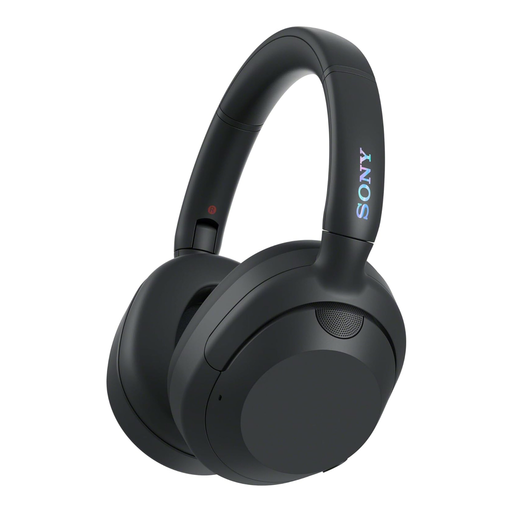
Why This Fits Their Persona: Ideal for the daily commute and focused work. The over-ear design and powerful noise cancelling effectively block out noise on public transport or in an open-plan office. The long battery life covers several workdays.
Sony specifies the battery life at 30 hours with ANC enabled, a realistic figure for everyday use. The noise cancelling is powered by the V1 processor, a proven technology that offers broad frequency coverage and doesn't just filter monotonous sounds.
Effective noise cancellation for undisturbed listening. Multipoint connection for seamless switching between two devices.
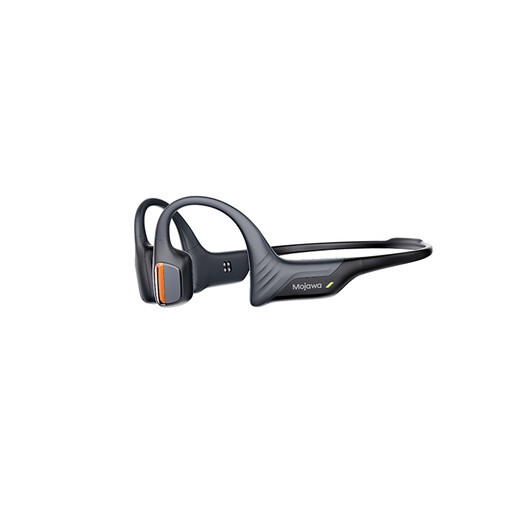
Why This Fits Their Persona: Designed for runners, cyclists, and gym-goers. The open-ear design of bone conduction technology ensures that traffic and ambient sounds remain audible, increasing outdoor safety. The secure fit prevents them from slipping during intense movement.
This model avoids the misunderstood water resistance trap with a clear IP67 certification. This means it is dust-tight and can be temporarily submerged, making it more resilient to heavy sweat and rain than models with lower IP ratings.
Enhanced safety thanks to the open-ear design. High water and dust resistance with an IP67 rating.
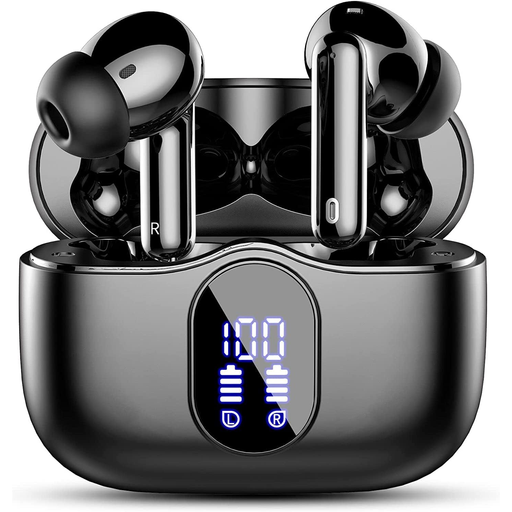
Why This Fits Their Persona: A solid choice for daily use, whether for music, podcasts, or calls while commuting, studying, or working. This model offers a balanced combination of modern features at an accessible price point.
Instead of vague battery life promises, this model provides a concrete figure of 40 hours of total playtime with the charging case. The integrated LED display makes the battery level transparent and easy to track at all times, avoiding the trap of unrealistic runtime claims.
High total playtime thanks to the charging case. ENC technology to improve voice quality during calls.
If you're specifically looking for models with high-quality microphones for calls and conferences, we've put together a curated selection for you.
The lifespan of Bluetooth headphones is largely determined by the built-in battery. Like all lithium-ion batteries, their capacity diminishes with each charge cycle. With daily use, you can expect a noticeable reduction in battery life after about two to three years. The mechanical durability depends on the build quality and how well you care for them.
No, call quality varies significantly. Several factors are crucial for good voice clarity: the number and position of the microphones, the quality of the noise-filtering software (e.g., ENC or cVc), and the headphone design. Models with a boom microphone, like many headphones for the office, often offer better recording quality because the microphone is positioned closer to the mouth.
The IP (Ingress Protection) rating consists of two digits. The first digit (0-6) describes protection against solid foreign objects like dust. The second digit (0-9) indicates protection against water. For sports headphones, the following ratings are most relevant: