
Lieferung heute & morgen

Qualitätsgarantie

Willkommens-Angebote freischalten: KOSTENLOSE Lieferung | Bis zu 80 % RABATT | Kostenlose 30-Tage-JoyPlus-Testphase
App herunterladen
The market for Bluetooth headphones is overwhelming. Manufacturers advertise with impressive specs and technical jargon, but not every feature lives up to its promise in real-world use. Making the wrong choice is not only frustrating but often expensive. Before you make a decision, it's crucial to recognise common marketing traps and understand which technical features are truly relevant for your needs.
This guide will help you separate the wheat from the chaff. We focus on the objective criteria that define a quality pair of headphones and show you how to navigate the most common pitfalls.
Many purchasing decisions are based on advertising claims that prove to be misleading in practice. Pay special attention to these three points:
To avoid buyer's remorse, you should focus on verifiable technical specifications. The following three criteria are crucial for most users.
The choice of form factor directly impacts comfort, sound isolation, and use case.
The quality of the wireless connection is fundamental. Look for the following features:
Critically examine the manufacturer's claims. Two figures are relevant: the runtime on a single charge and the total runtime including the power stored in the charging case. A fast-charging feature, which might provide an extra hour of playback after just 10 minutes of charging, is extremely practical for daily use.
Based on objective criteria, we have identified models that represent a fitting solution for specific user groups.
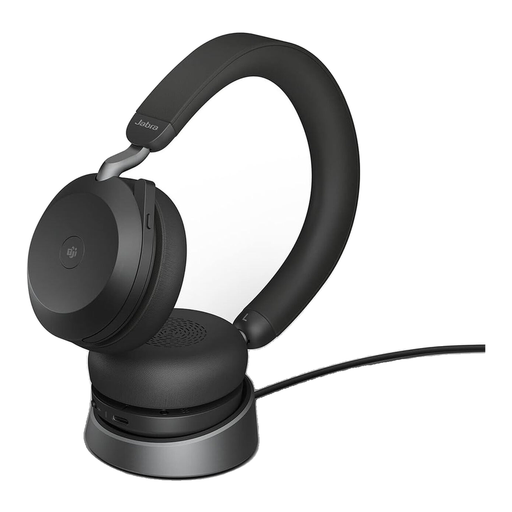
Why This Fits Their Persona: This headset with a microphone is designed for the professional workday. Its dual connectivity (Bluetooth 5.2 and USB adapter) allows for seamless switching between a laptop and a smartphone. The busylight signals to colleagues that you are on a call, minimising interruptions in open-plan offices.
The battery life is transparently stated as 24 hours of talk time—a realistic figure for a full workday. The ANC is specifically optimised to suppress office noise, while the 8-microphone technology ensures crystal-clear voice transmission.
Its Microsoft Teams certification and dual connectivity make it a highly functional tool for hybrid work. The flip-to-mute microphone boom arm is a thoughtful design detail.
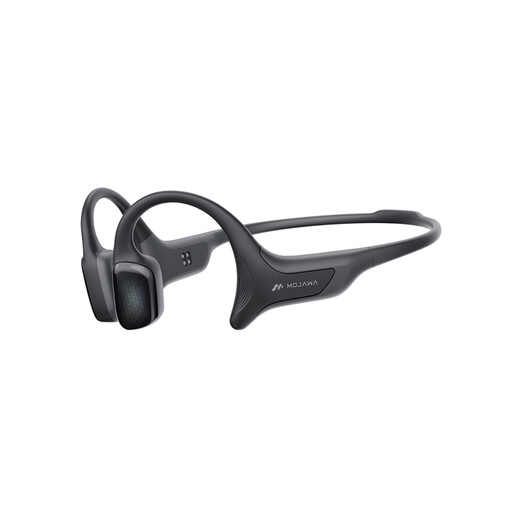
Why This Fits Their Persona: This model is specifically engineered for athletes. The bone conduction (open-ear) technology ensures you remain aware of your surroundings. The IP68 certification even allows for swimming at depths of up to 2.5 metres. The integrated 32GB MP3 player eliminates the need to carry a smartphone.
The IP68 rating is clearly defined and far exceeds standard splash protection. The open-ear design bypasses the issue of inadequate ANC implementation, as environmental awareness is a core feature here.
The combination of IP68 waterproofing and 32GB of built-in storage is a standout feature for swimmers and triathletes. Additionally, the device offers sports data tracking features like heart rate monitoring.
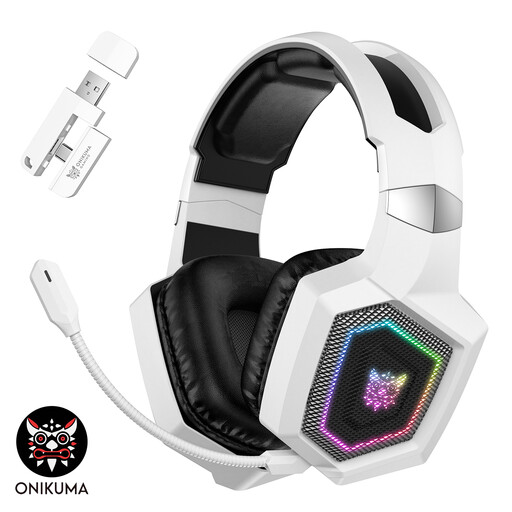
Why This Fits Their Persona: This gaming headset is tailored to the needs of gamers. The 2.4GHz wireless mode offers an ultra-low latency of under 30ms, which is crucial for lag-free audio in fast-paced games. The 7.1 surround sound enhances the spatial awareness of in-game audio cues.
Instead of relying solely on a Bluetooth connection, which is often too slow for gaming, this headset offers a dedicated 2.4GHz mode. The battery life is transparently stated for different scenarios (with/without RGB lighting).
The triple-mode connectivity (2.4GHz, Bluetooth, wired) ensures maximum compatibility with PC, PS4/PS5, and mobile devices. The detachable noise-cancelling microphone guarantees clear team communication.
We have compiled a complete, up-to-date list of products that fully meet these strict selection criteria and all relevant safety standards.
The lifespan of a pair of wireless headphones is primarily determined by its battery. Similar to smartphones, the capacity of the lithium-ion battery will noticeably degrade after about 2-3 years of regular use. The physical durability depends on the build quality and materials. Models with robust hinges and high-quality plastics or metal components tend to have a longer lifespan.
Yes, this is possible in most cases, provided your TV has a built-in Bluetooth function. You can find this option in your TV's audio or sound settings. If your TV doesn't support Bluetooth, you can use an external Bluetooth transmitter. This small device connects to the TV's audio output (e.g., 3.5mm jack or optical out) and sends the audio signal to your headphones.