
Lieferung heute & morgen

Qualitätsgarantie

Willkommens-Angebote freischalten: KOSTENLOSE Lieferung | Bis zu 80 % RABATT | Kostenlose 30-Tage-JoyPlus-Testphase
App herunterladen
The selection of Bluetooth headphones is vast, covering a wide range of use cases. Choosing the right model depends on specific technical requirements and the intended usage scenario. Key factors include form factor, battery life, connectivity, and special features like active noise cancellation (Noise Cancelling). This guide breaks down the essential criteria for making your selection.
An informed purchasing decision is based on understanding the underlying technologies and product features.
The form factor influences sound quality, wearing comfort, and suitability for various activities.
Based on an analysis of technical data and functional features, here are some models we're highlighting.
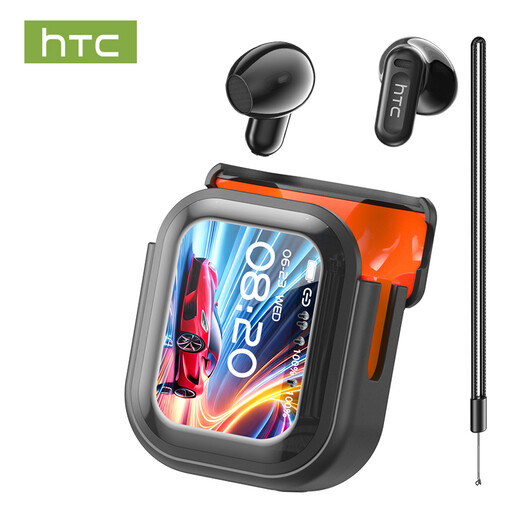
Why We Recommend It The HTC NE20 combines adaptive hybrid noise cancellation with an interactive full-colour LED display on the charging case. This blend of advanced audio technology and innovative control concepts makes them an exciting option for tech-savvy users. The ability to personalise the charging case display is an added feature.
Pros
Who It's For This model is aimed at users who value powerful, adaptive noise cancellation and appreciate innovative features like a smart charging case. It is well-suited for commuters, office workers, and anyone who enjoys personalising their audio hardware.
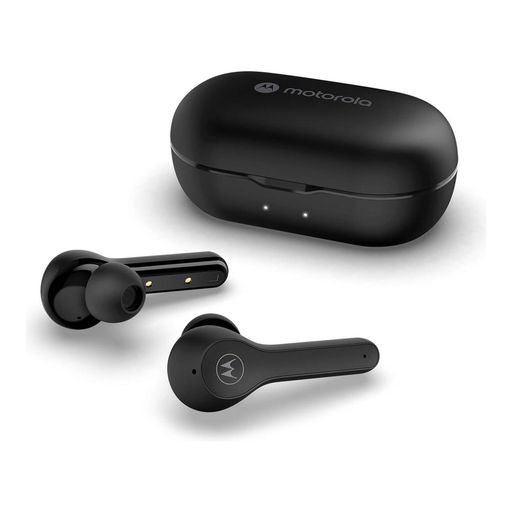
Why We Recommend It The Moto Buds 065 from Motorola Sound focus on core features that are executed reliably. With fast-pairing technology, solid battery life, and microphones featuring Environmental Noise Cancellation (ENC), they offer a well-rounded package for everyday use.
Pros
Who It's For These headphones are a pragmatic choice for users seeking a reliable and straightforward headset for music and frequent calls in their daily routine. Their durability and mono mode also make them suitable for commuters and occasional sports activities.
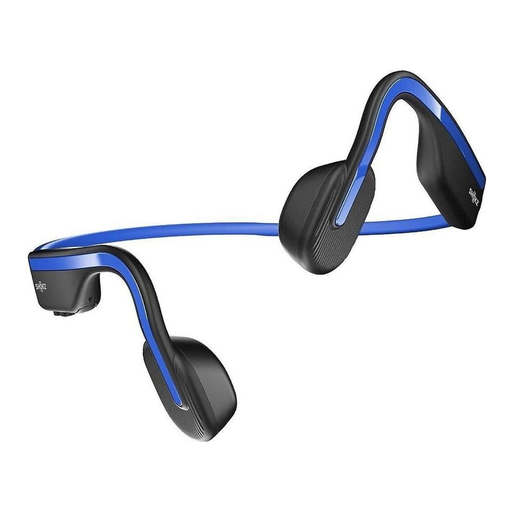
Why We Recommend It The SHOKZ OpenMove use bone conduction technology to create an open-ear listening experience. This design is engineered for safety and situational awareness, as the ears remain uncovered. This is a fundamental difference from traditional in-ear or over-ear headphones.
Pros
Who It's For This model is specifically designed for athletes like runners and cyclists who want to listen to music or take calls without being isolated from their surroundings. It is also an alternative for individuals who find traditional earbuds uncomfortable.
The right audio equipment is just one part of preparing for outdoor activities. Whether you're exercising or commuting, the right apparel also protects you from the elements. A functional jacket can be a sensible addition. In our best jackets category, you'll find a selection of models for various weather conditions.
1. What is the difference between Active Noise Cancellation (ANC) and bone conduction technology? Active Noise Cancellation (ANC) is a technology used in traditional headphones to actively reduce ambient noise. Microphones capture external sounds, and a counter-signal is generated to neutralise them. Bone conduction headphones, on the other hand, transmit sound directly to the inner ear through vibrations on the skull. The ear canal remains open, so ambient sounds can still be heard. ANC aims for isolation, while bone conduction prioritises environmental awareness.
2. How important is the Bluetooth version in wireless headphones? The Bluetooth version affects several performance aspects. Newer versions (like 5.2, 5.3, or 5.4) generally offer a more stable and energy-efficient connection compared to older standards. They may also support features like Auracast or improved audio codecs (LC3), which enhance sound quality and reduce latency. For everyday use, the differences are often subtle, but for applications like gaming or connecting multiple devices, a newer version can be advantageous.
3. Can I exercise with any Bluetooth headphones? Not all models are suitable for sports. The key factor is the IP rating, which indicates resistance to sweat and water. For exercise, at least an IPX4 rating (protection against splashing water) is recommended. A secure fit is also crucial. True Wireless Earbuds with ear hooks or bone conduction headphones with a neckband often provide a more stable fit than standard in-ear models.