
Lieferung heute & morgen

Qualitätsgarantie

Willkommens-Angebote freischalten: KOSTENLOSE Lieferung | Bis zu 80 % RABATT | Kostenlose 30-Tage-JoyPlus-Testphase
App herunterladen
As your Joybuy Product Recommendation Officer, I see every day how overwhelming the electronics market has become. Especially with Bluetooth headphones, manufacturers are constantly advertising new features and technical specs. But not every innovation is a genuine step forward. Before you make a decision, you should know the most common pitfalls that lead to disappointment.
To avoid a bad purchase, focus on the technical fundamentals that directly impact user comfort and longevity.
The form factor determines not only wearing comfort but also sound isolation and the use case.
The stability of the connection and the sound quality depend significantly on the built-in technology.
Noise-cancelling headphones use microphones to analyse ambient sounds and neutralise them with counter-frequencies. This technology is particularly effective against monotonous, low-frequency noises like airplane engines, train rides, or air conditioners. For use in noisy offices or on the daily commute, ANC can make a significant difference. However, check if the feature can be turned off to save battery when needed.
Instead of making a blanket recommendation, we have identified products that meet specific requirements and avoid the pitfalls mentioned.
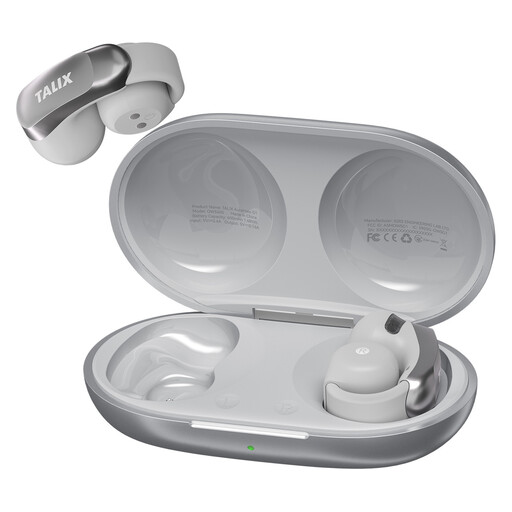
Why This Fits Their Persona: The clip-on design with silicone ear hooks ensures a secure fit during intense movements without blocking the ear canal. At only 5.2g per earbud, they are barely noticeable.
The IPX4 rating is clearly declared as protection against sweat and light rain, without falsely suggesting complete waterproofness. Ideal for the gym or jogging.
Stable connection via Bluetooth 5.3. The fast-charging feature provides 2 hours of playback from a 10-minute charge—perfect for spontaneous workout sessions.
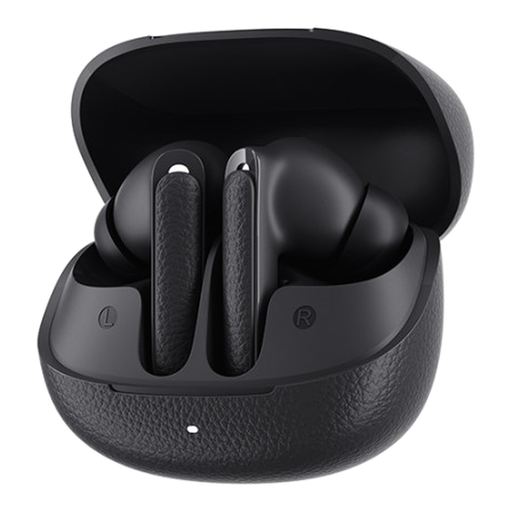
Why This Fits Their Persona: These in-ear headphones combine a compact form factor with effective ANC to reduce noise on public transport. The long total battery life is ideal for long workdays and the commute.
The battery life is transparently stated as a total of up to 30 hours including the charging case. This is a realistic figure for daily use, accounting for multiple charging cycles.
Offers both Active Noise Cancellation (ANC) for undisturbed listening and ENC (Environmental Noise Cancellation) for clearer phone calls. It is compatible with both iOS and Android.
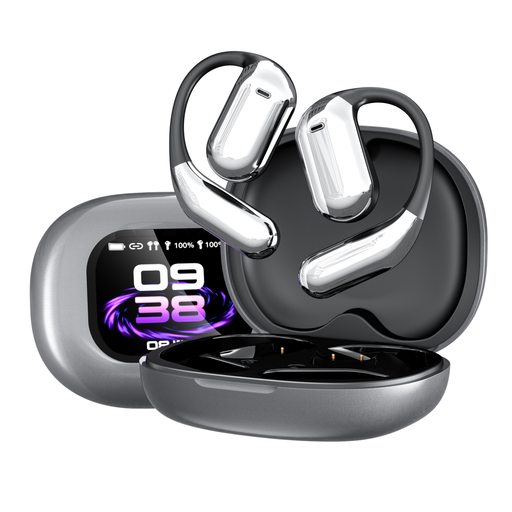
Why This Fits Their Persona: These translator earbuds are designed for users who need to overcome language barriers while travelling or for work. The charging case with an integrated touchscreen allows for control without having to pull out a smartphone.
The AI function here is not purely app-dependent but is made directly operable via the display on the case. This offers real added value and intuitive use of the translation feature.
Supports two-way real-time translation. The modern Bluetooth 5.4 technology ensures a stable, low-latency connection with a range of up to 15 metres.
We have compiled a complete, real-time updated list of products that fully meet these strict selection criteria and all relevant safety standards.
The lifespan of Bluetooth headphones is primarily determined by the built-in battery. As with all lithium-ion batteries, the capacity decreases with each charge cycle. With daily use, you can expect the maximum battery life to noticeably decline after about two to three years. Proper care, such as avoiding deep discharges and extreme heat, can extend their lifespan.
The IP rating (Ingress Protection) indicates how well a device is protected against the ingress of foreign objects (first digit) and water (second digit). For headphones, usually only the second digit (protection against water) is relevant and is indicated as "IPX."
Generally, yes. Bluetooth is a universal standard. As long as your device (smartphone, tablet, laptop) has Bluetooth, you can establish a connection. However, full functionality, especially special audio codecs like LDAC or manufacturer-specific settings via an app, may only be available with compatible devices (e.g., Android for LDAC) or operating systems. Basic functions like music playback and calls, however, work across all systems.