
Lieferung heute & morgen

Qualitätsgarantie

Willkommens-Angebote freischalten: KOSTENLOSE Lieferung | Bis zu 80 % RABATT | Kostenlose 30-Tage-JoyPlus-Testphase
App herunterladen
The selection of Bluetooth headphones is vast and can quickly become overwhelming. Whether for focused work, commuting, intense training, or relaxing with music—there are suitable models with specific features for every use case. This guide will help you understand the key technical features and make an informed decision that aligns with your individual needs. We will introduce different types and present a selection of models for various applications.
Before you decide on a model, several fundamental criteria should be considered. These will help you narrow down the options and find the right product for your daily life.
The primary use case is crucial for choosing the right type of headphones.
Wireless freedom comes with a trade-off: battery life. Pay attention to the manufacturer's stated playback time per charge. Many true wireless earbuds offer additional power through the included charging case, which significantly extends the total runtime. Headphones with long battery life are particularly advantageous for long workdays or travel.
Modern headphones use standards like Bluetooth 5.3, which ensures a stable and energy-efficient connection. A useful feature is Bluetooth Multipoint, which allows the headphones to be connected to two devices simultaneously (e.g., a laptop and a smartphone) to switch between them seamlessly.
Here you will find a selection of models designed for different user profiles and requirements.
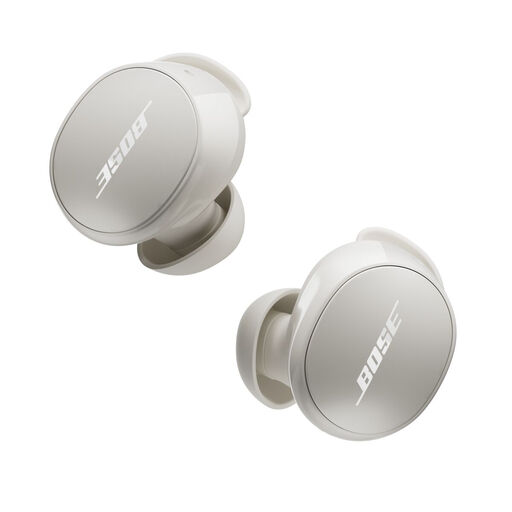
Why this model stands out The Bose QuietComfort earbuds are renowned for their active noise cancellation, which allows users to focus on the sound and block out distractions. They combine this feature with a secure fit and solid battery life.
Advantages
Who it's for This model is a great choice for commuters, office workers, and anyone looking to create a quiet listening environment in noisy settings without sacrificing sound quality and comfort.
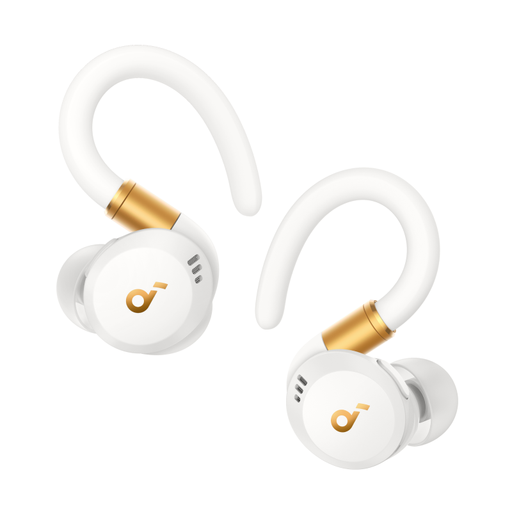
Anker Sport X20 Wireless In-Ear Headset for Calls, Music, Sports, Everyday Use, White
Why this model stands out The Anker Sport X20 (part of the Soundcore series) are specifically designed as sports headphones. Their design with adjustable ear hooks ensures an extra-secure hold during intense workouts, while the long battery life is sufficient for extended activities.
Advantages
Who it's for Ideal for athletes, runners, and gym-goers looking for headphones for jogging that stay secure even during vigorous movement and offer exceptionally long battery life.
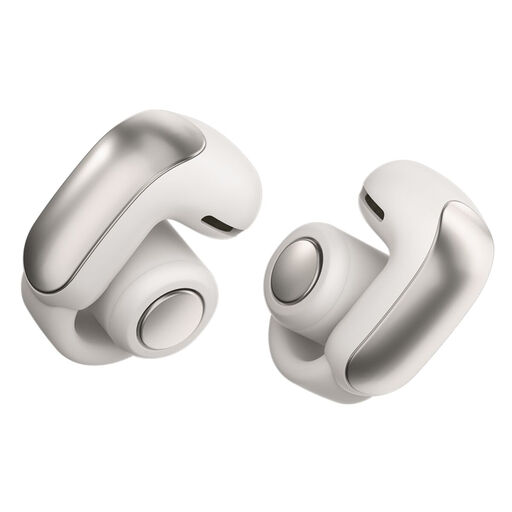
Why this model stands out The Bose Ultra Open Earbuds take a different approach with their clip-on design. As open-ear headphones, they do not block the ear canal, allowing the wearer to remain fully aware of their surroundings. This is an important safety feature for outdoor use.
Advantages
Who it's for These earbuds are designed for outdoor athletes, cyclists, urban runners, or people in the office who need to stay reachable and hear their surroundings while consuming audio content.
The models presented here cover specific use cases. If you are looking for a different colour, form factor, or additional features, you may find the right product in our broader selection.
Discover our entire collection of white wireless headphones for more models and styles.
1. What is the difference between in-ear, on-ear, and over-ear headphones?In-ear headphones (or earbuds) are placed directly in the ear canal. They are compact and passively isolate external noise. On-ear headphones rest on the ears; they are lighter than over-ear models but offer less isolation. Over-ear headphones enclose the entire ear, typically providing the strongest passive noise isolation and are often prized for their sound quality.
2. What should I look for in headphones for jogging? When jogging, three factors are crucial: a secure fit so the headphones don't fall out, high water and sweat resistance (at least IPX4), and, depending on the running environment, either good noise cancellation (on a track) or an open design for situational awareness (in city traffic).
3. How important is the IP rating for wireless headphones? The IP (Ingress Protection) rating indicates how well a device is protected against the ingress of foreign objects (first digit) and water (second digit). For sports headphones, a rating like IPX4 (protection against splashing water from all directions) is a good standard. Higher ratings like IPX7 (protection against temporary submersion) offer even more security, for example, in heavy rain.