
Lieferung heute & morgen

Qualitätsgarantie

Willkommens-Angebote freischalten: KOSTENLOSE Lieferung | Bis zu 80 % RABATT | Kostenlose 30-Tage-JoyPlus-Testphase
App herunterladen
The selection of Bluetooth headphones is vast, but not every model lives up to its advertising claims. Often, exaggerated marketing claims and unclear technical specs lead to purchasing decisions you'll later regret. Before you invest, it's crucial to know the most common pitfalls to find a product that truly fits your needs.
This guide focuses on the objective criteria that enable an informed decision. We'll highlight the traps that often lead to disappointment and explain the decisive technical parameters.
To avoid the pitfalls mentioned above, you should focus on verifiable technical data. These three parameters are central to most use cases.
The IP (Ingress Protection) rating indicates how well a device is protected against the ingress of foreign objects (first digit) and water (second digit). For headphones, the second digit is particularly relevant:
For sports activities or use in unpredictable weather, a model with at least an IPX4 certification is a sensible choice.
Always check two values: the runtime of the earbuds themselves and the additional energy provided by the charging case.
Modern wireless headphones use Bluetooth versions like 5.1, 5.3, or higher. Newer versions generally offer a more stable connection, greater range, and better energy efficiency. For phone calls and online meetings, a good microphone is crucial. Models with multiple microphones and noise-cancelling technologies (like ENC – Environmental Noise Cancellation) filter out background noise and ensure clear voice transmission.
Based on objective criteria, we have identified some models that are particularly suitable for specific user groups.

Why it's a great fit: Perfect for the daily commute and office use. The combination of adaptive noise cancellation and clear call quality via 6 microphones makes it a versatile companion in noisy environments like public transport.
The model offers specified adaptive noise cancellation up to -50 dB and an IP55 certification, replacing vague marketing promises with concrete, verifiable data.
The 6-microphone call noise reduction with AI support ensures clear voice transmission during calls, even in loud environments. The total battery life of up to 55 hours minimizes the need for frequent recharging.
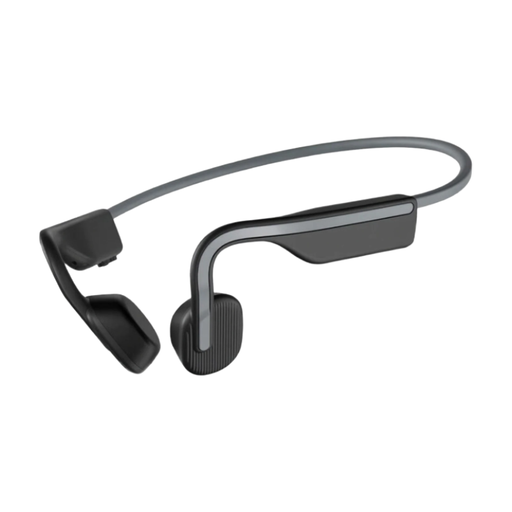
Why it's a great fit: Designed for runners and cyclists who need to be aware of their surroundings. The bone conduction technology leaves the ears open, which increases safety in traffic. The lightweight design and secure fit are optimized for intense movement.
This model has a clear IP55 certification, making it verifiably resistant to sweat and dust. Instead of vague promises, it offers a specific technology (bone conduction) for a clear use case.
The open-ear design is the decisive advantage for safety during outdoor activities. The battery life of up to 6 hours per charge is sufficient for most training sessions.
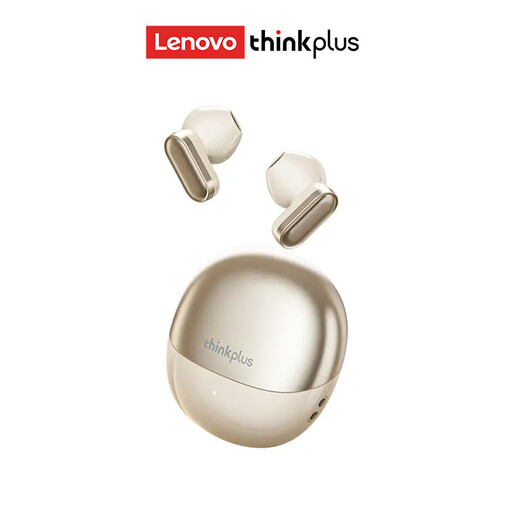
Why it's a great fit: Designed for users who value synchronized audio and video playback. The special gaming mode reduces latency, which is crucial for games and movies. Its compatibility with Android, iOS, and Windows makes it versatile.
Instead of a general performance description, this model offers a dedicated gaming mode for audio-video synchronization. The total runtime of 20 hours is clearly declared as a combination of earbuds and case.
The audio-video synchronization in gaming mode allows for precise positional audio cues. The dual-microphone array also ensures clear communication in multiplayer games or during calls.
We have compiled a complete, up-to-date list of products that fully meet these strict selection criteria and UK safety regulations.
1. What is the average lifespan of Bluetooth headphones? The lifespan of Bluetooth headphones largely depends on the intensity of use and care. The battery is often the limiting component. With daily use, the battery capacity typically declines noticeably after 2 to 3 years. The physical durability is determined by the material quality and adherence to the IP rating.
2. What does TWS mean for headphones?TWS stands for "True Wireless Stereo." This means that the two earbuds are completely wireless and not connected by a cable. Each earbud connects individually via Bluetooth to the playback device, allowing for maximum freedom of movement. Most modern in-ear headphones today are TWS models.
3. Can I connect Bluetooth headphones to my TV? Yes, this is possible if your TV has a built-in Bluetooth function or if you use an external Bluetooth transmitter. However, pay attention to latency (the delay between video and audio). For an optimal movie experience, headphones with a special low-latency mode or codecs like aptX Low Latency are recommended.