
Lieferung heute & morgen

Qualitätsgarantie

Willkommens-Angebote freischalten: KOSTENLOSE Lieferung | Bis zu 80 % RABATT | Kostenlose 30-Tage-JoyPlus-Testphase
App herunterladen
The search for the right Bluetooth headphones can quickly become overwhelming. Manufacturers advertise with a flood of technical specs and marketing terms that often obscure more than they clarify. As a Joybuy Product Recommendation Officer, I see every day which features truly matter and where the most common pitfalls lie. This guide will help you apply objective criteria and make an informed decision that fits your daily life.
Before we dive into the important features, let's shed light on the three most common marketing traps that lead to disappointment.
To avoid a bad purchase, focus on these three verifiable criteria.
Pay attention to two values: the runtime of the earbuds on a single full charge and the total playback time achieved by recharging in the case.
The type of noise reduction is crucial for the listening experience and voice quality during calls.
The IP rating indicates how well a device is protected against the ingress of foreign objects (first digit) and water (second digit). An "X" means that no test was conducted for that category.
Here are some models that are suitable for specific use cases based on objective features.
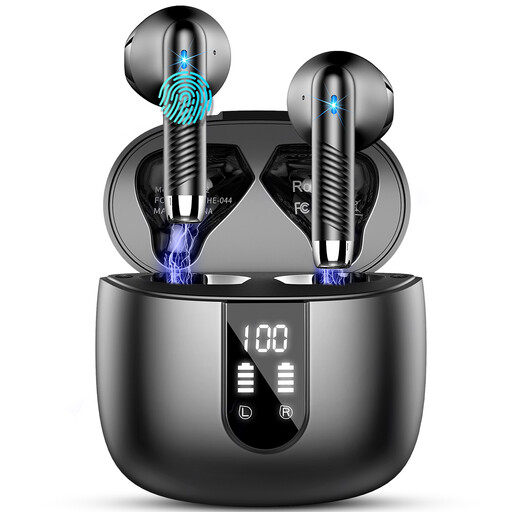
Why it's a good fit: This model combines modern standards like Bluetooth 5.4 and high water resistance with an accessible price. It's suitable for users looking for a solid set of features for daily use without breaking the bank.
Instead of a vague "sweat-proof" claim, this model clearly states a IP7 water resistance rating, which signifies robust protection against water.
ENC technology for noise reduction during calls and a manufacturer-stated total playtime of 56 hours with the charging case.
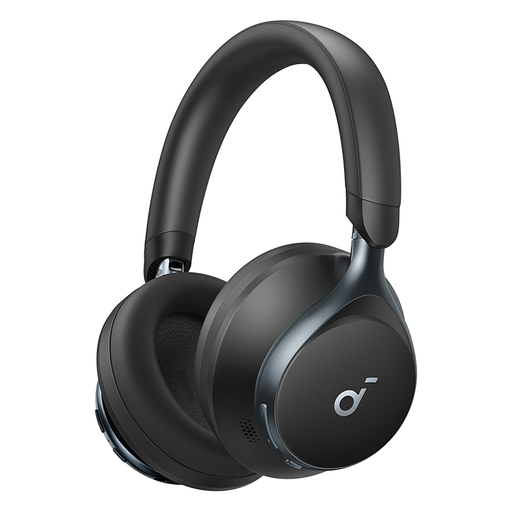
Why it's a good fit: As an over-ear model with adaptive ANC, it's designed to effectively reduce ambient noise on trains, planes, or in the office. The long battery life is perfect for long journeys or multiple workdays without needing a charge.
This model offers not just ANC, but adaptive noise cancellation that adjusts to the environment. Additionally, the battery life is clearly stated as 40 hours with ANC enabled.
Support for high-resolution audio (LDAC) and a long continuous playback time, which is crucial for heavy users.
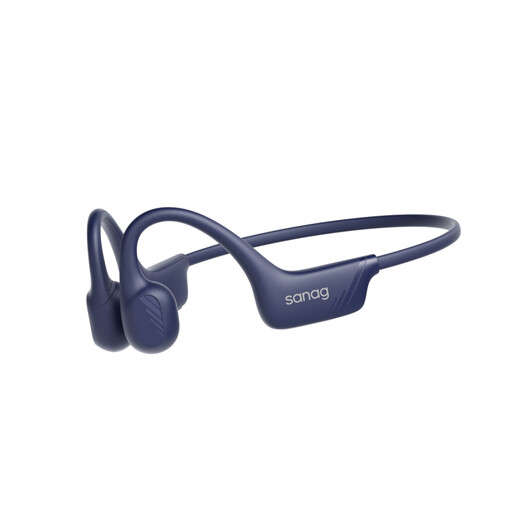
Why it's a good fit: The open-ear (bone conduction) design does not block the ear canal. This allows you to remain aware of ambient sounds like traffic or other people, which increases safety when running or cycling outdoors.
Instead of marketing a standard in-ear model as "sports headphones," this product offers a specialised form factor specifically tailored to the needs of outdoor athletes.
Increased safety through situational awareness and a design that stays secure during intense movement without blocking the ears.
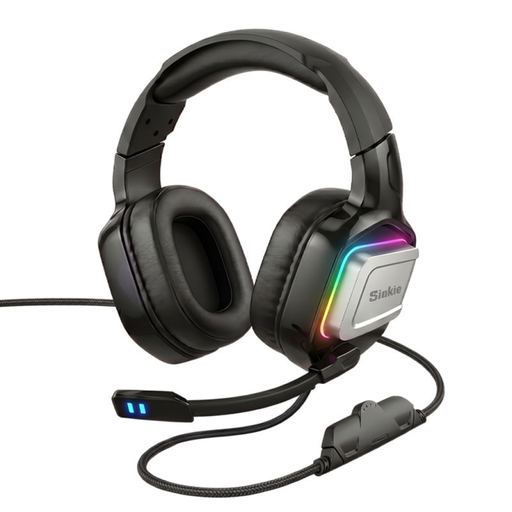
Why it's a good fit: This wired **gaming headset** is optimised for minimal latency, which is crucial in fast-paced games. The integrated microphone and surround sound are specifically designed to meet the demands of gamers.
Instead of relying on Bluetooth with its potential latency, this model offers a stable wired connection (USB & 3.5mm), which is essential for competitive gaming.
50mm drivers for powerful sound, cross-platform compatibility (PS5, PS4, Xbox, PC), and a dedicated microphone for team communication.
We've compiled a complete, up-to-date list of products that fully meet these strict selection criteria and UK/EU safety regulations.
1. What is the difference between in-ear, on-ear, and over-ear headphones?
2. What does the IP rating on headphones mean? The IP (Ingress Protection) rating is an international standard that classifies the protection of electronics against the ingress of foreign objects (first digit) and water (second digit). For sports, at least IPX4 (protection against splashing water) is recommended. A higher number indicates better protection.
3. How important is the Bluetooth version (e.g., 5.3 vs. 5.4)? Newer Bluetooth versions generally bring improvements in connection stability, energy efficiency (which can lead to longer battery life), and sometimes audio quality or latency. While the difference between very close versions (e.g., 5.3 and 5.4) is often minor in everyday use, a current standard like Bluetooth 5.3 or higher provides a future-proof foundation for reliable performance.