
Lieferung heute & morgen

Qualitätsgarantie

Willkommens-Angebote freischalten: KOSTENLOSE Lieferung | Bis zu 80 % RABATT | Kostenlose 30-Tage-JoyPlus-Testphase
App herunterladen
The search for the right Bluetooth headphones can quickly become overwhelming. The market is flooded with technical specs, marketing promises, and a vast price range. Many buyers only realise after some time that their new device doesn't meet their expectations. This guide will help you identify the crucial features and avoid common purchasing traps, enabling you to make an informed decision.
Manufacturer specifications are often optimised to make products look attractive. Those who overlook the following three points may end up investing in a device that disappoints in daily use.
To avoid a bad purchase, you should focus on objective, verifiable criteria. The following three parameters are central to the performance and longevity of your headphones.
The choice of form factor depends entirely on your primary use case.
The quality of the wireless connection is fundamental. Pay attention to the Bluetooth version. Standards like Bluetooth 5.3 or newer offer a more stable connection, greater range, and better energy efficiency, which positively impacts long battery life.
Equally important are the supported audio codecs. While the standard SBC codec is sufficient for basic applications, codecs like AAC (standard on Apple devices) and aptX or LDAC (for Android devices) offer a higher data rate and thus potentially better sound quality.
A headphone with a microphone is standard today, but the quality varies greatly. For occasional calls, a basic microphone is enough. However, anyone who regularly participates in video conferences or uses the device as a gaming headset needs clear voice transmission. Technologies like ENC (Environmental Noise Cancellation) or multi-microphone systems (beamforming) filter out background noise and ensure your voice is heard clearly and distinctly.
Here are some models tailored to specific user profiles that meet the criteria mentioned above.
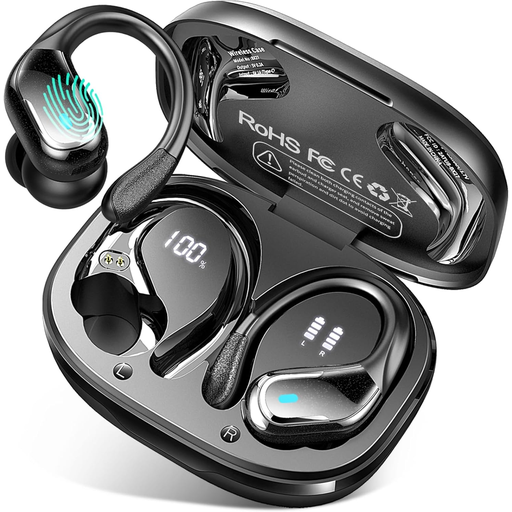
Why This Fits Their Persona: Ideal for users seeking solid core functionality for their daily commute, sports, or music listening without a large budget. The focus is on endurance and durability.
This model bypasses the trap of unclear water resistance with a clear IP-X7 certification, which offers protection during temporary immersion. The battery life is transparently stated as a total value, which sets clear expectations for budget-conscious buyers.
The combination of a high total runtime and the IP-X7 rating offers a robust package for everyday use. The ENC technology for noise cancellation during calls is a valuable feature in this price range.
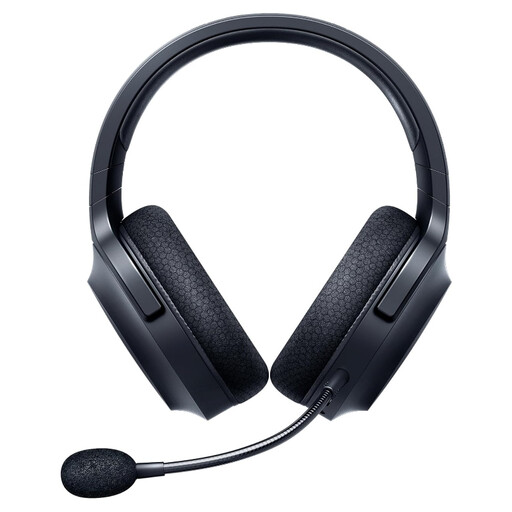
Why This Fits Their Persona: Designed for gamers who need a versatile Over-Ear Headset for PC, console, and mobile devices. Lag-free audio transmission and clear team communication are essential.
This headset addresses the latency issue of standard Bluetooth with its Razer HyperSpeed Wireless (2.4 GHz) technology. It offers a specific solution for latency-critical gaming, rather than relying solely on a Bluetooth connection.
The SmartSwitch Dual Wireless feature allows for seamless switching between 2.4 GHz and Bluetooth connections. The detachable Razer HyperClear Cardioid Mic is optimised for clear voice transmission.
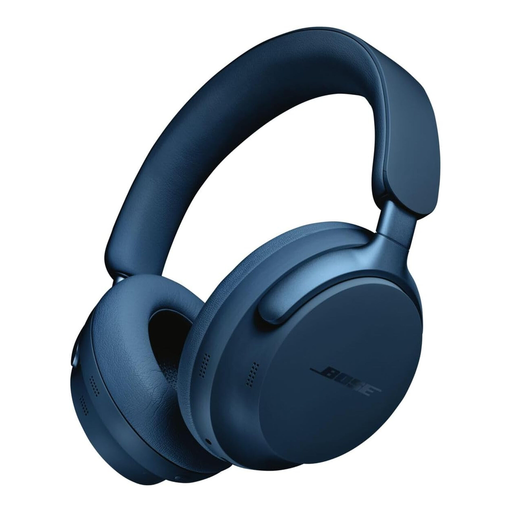
Why This Fits Their Persona: For commuters, frequent travellers, and professionals who need best-in-class noise cancellation for focused work or uninterrupted music enjoyment and who value high comfort and sound quality.
This model avoids the vague "noise cancelling" promise with highly advanced technology. According to Bose, the CustomTune technology personalises the sound and noise cancellation to the user's ears. This is a specific, verifiable feature.
The battery life of up to 24 hours on a single charge is designed for long periods of use. The advanced microphones are engineered to focus on your voice and filter out background noise, ensuring high call quality.
We have compiled a complete, real-time updated list of products that fully meet these strict selection criteria and rigorous safety standards.
1. What is the average lifespan of Bluetooth headphones? The lifespan of Bluetooth headphones is primarily determined by the battery. With daily use, the battery capacity typically noticeably degrades after 2 to 4 years. The mechanical durability heavily depends on the build quality and materials. Models with replaceable ear pads or a robust housing often have a longer service life.
2. What do IP ratings on headphones really mean? The IP (Ingress Protection) rating indicates the degree of protection against foreign objects and water. The second digit is the relevant one for headphones:
3. Can I connect any Bluetooth headphones to my TV? Most modern smart TVs have a built-in Bluetooth function that allows you to pair headphones directly. For older TVs without Bluetooth, you will need a separate Bluetooth transmitter. This device connects to the TV's audio output (e.g., 3.5mm jack or optical out) and sends the audio signal to your headphones.