
Lieferung heute & morgen

Qualitätsgarantie

Willkommens-Angebote freischalten: KOSTENLOSE Lieferung | Bis zu 80 % RABATT | Kostenlose 30-Tage-JoyPlus-Testphase
App herunterladen
Bluetooth headphones should play music on the train, enable calls in the office or provide reliable communication while gaming. However, prominent product claims do not automatically lead to the right purchasing decision. The key factors are the technical specifications, your intended use and the actual fit.
An advertised long battery life may refer to use with ANC switched off, reduced volume or the total time including the charging case. With True Wireless Earbuds, it is therefore important to distinguish between playback time per charge and the total battery life with the charging case. Fast-charging claims also usually describe only an additional playback time under specific conditions.
Bluetooth 5.3 or Bluetooth 5.4 may provide a modern wireless platform, but this does not automatically guarantee a particular sound quality, range or lag-free performance. Codecs, Bluetooth profiles, device compatibility and the signal environment are also relevant. For gaming, a dedicated 2.4 GHz wireless receiver may be more suitable than a Bluetooth-only connection.
ANC headphones use microphones to create an opposing signal against consistent background noise. ENC generally refers to voice transmission and is intended to reduce background noise during calls. By contrast, a closed-back design with tightly fitting ear cushions provides passive isolation. No system replaces paying attention in traffic or in other places where surrounding sounds are important.
Check whether the model charges via USB-C and whether a cable is included. With wireless headphones, the following details are particularly useful:
Headphones with 50 hours of battery life may be suitable for heavy users, while a compact charging case may be more important for daily commutes than a high maximum figure.
For professionals, headphones with a microphone and clear voice transmission are important criteria. If you switch between a smartphone and laptop, look for Multipoint. With compatible devices, this function allows simultaneous connection to two sources.
The connection type is also important for consoles and computers. A wired gaming headset with a 3.5 mm jack will often work across different platforms. A model with Bluetooth, 2.4 GHz wireless and a cable offers greater flexibility, but you should check its compatibility, battery and included accessories.
The following models differ in design, features and intended use. Details on battery life, weight and protection rating are taken from the respective product information.
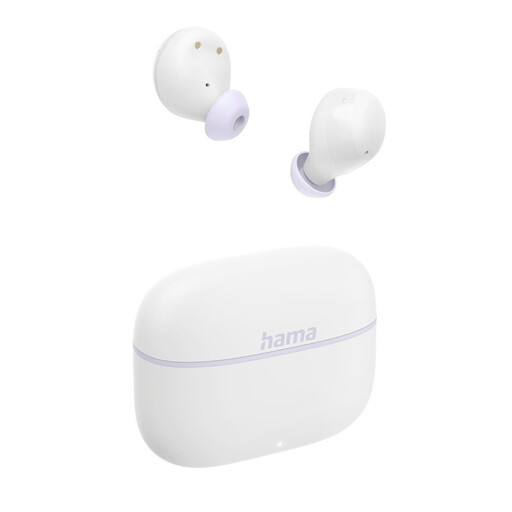
Why this product suits this profile: The True Wireless Earbuds are compact, weigh 4 g per earbud according to the product data and come with silicone tips in three sizes. For smartphones, tablets and other Bluetooth devices, Bluetooth 5.3 is specified with a range of up to 10 m.
Playback time is stated separately: up to 4 hours per charge and up to 20 hours including the charging case. IPX4 is clearly classified as protection against splashing water.
USB-C charging port, Siri and Google Assistant support, plus a multifunction button for music and calls.
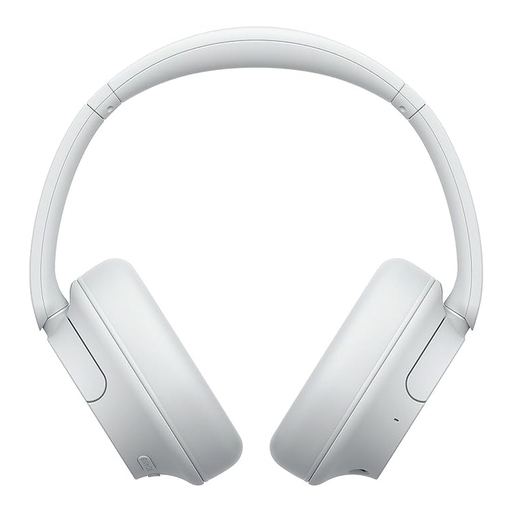
Why this product suits this profile: These over-ear headphones combine ANC, Ambient Sound mode, Multipoint and a specified battery life of up to 35 hours with noise cancellation enabled.
Battery life is stated separately with ANC switched on and off. There is also a 3.5 mm audio connection for use when Bluetooth is not required.
A weight of 192 g according to the product data, beamforming microphones, app-based equaliser adjustment and fast charging providing up to 60 minutes of playback after 3 minutes of charging.

Why this product suits this profile: This gaming headset is aimed at users who want to connect a PC, console and mobile device. According to the product description, it supports 2.4 GHz wireless, Bluetooth 5.3 and a wired connection.
The connection options are clearly specified. For games where there is little tolerance for lag, 2.4 GHz mode may be relevant compared with Bluetooth alone.
50 mm drivers, microphone, approximately 60 hours of battery life without RGB lighting and a specified charging time of around 2 hours.
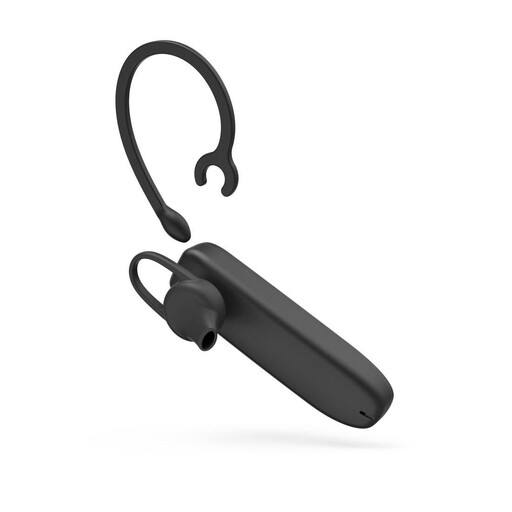
Why this product suits this profile: This mono headset is designed for calls and supports Multipoint with two smartphones. The adjustable ear hook and three silicone tips allow for a personalised fit.
The specified talk time of up to 14 hours is stated separately from standby time. This makes it easier to assess its suitability for calls.
Bluetooth 5.3, USB-C, volume control, voice assistant support and a weight of 12 g according to the product data.
We have put together a complete, regularly updated list of products that fully meet these strict selection criteria and the safety regulations applicable in the EU.
Fully charge wireless headphones before using them for the first time. With True Wireless Earbuds, remove both earbuds from the charging case if the instructions specify this for the initial pairing. Then check whether your smartphone, tablet, laptop or console supports the required Bluetooth profile.
For longer periods of use, moderate volume with regular breaks is recommended. Headphones should be stored in a dry place and used in accordance with their stated protection rating. Built-in lithium-ion batteries are generally not designed to be replaced by the user. If there is visible damage, a swollen battery or damaged cables, stop using the device.
Enable Bluetooth on your smartphone, activate the headphones’ pairing mode and select the device name shown. If the devices have already been connected, they will often connect automatically. If pairing fails, deleting old entries and restarting both devices may help.
Their lifespan depends on the battery, charging cycles, care and build quality. Playback time from integrated batteries usually decreases over time. Models with a charging case, fast-charging function or an additional cable can remain more flexible in everyday use.
Power consumption per charge is relatively low, but it occurs regularly through the earbuds and charging case. A long battery life, USB-C charging and only charging when the battery level is low can reduce the charging effort. With wired USB-C headphones, the separate headphone battery is not required if the model operates exclusively through the connected device.