
Lieferung heute & morgen

Qualitätsgarantie

Willkommens-Angebote freischalten: KOSTENLOSE Lieferung | Bis zu 80 % RABATT | Kostenlose 30-Tage-JoyPlus-Testphase
App herunterladen
Bluetooth headphones have become part of daily life for many people: whether you're commuting, working from home, training or cycling. The range stretches from True Wireless earbuds and classic Bluetooth in-ear headphones to Bluetooth headsets for longer conversations. But technical jargon and flashy marketing claims can make it hard to compare.
Typical buying mistakes usually come down to three things:
In-ear models sit inside your ear canal and can achieve passive noise reduction with silicone tips. Make sure there are several tip sizes included, because a poor fit can affect sound quality and call clarity. Models with ear hooks are often better for movement, as they provide extra mechanical stability.
Open-ear headphones, on the other hand, sit outside the ear canal. You can still hear ambient noise, which can be useful in the office or during outdoor activities. The sound quality and fit depend more on your individual ear shape.
Check each of these separately:
For example: the Hama Freedom Buddy II offer up to 4 hours of playback per charge and up to 20 hours with the charging case, according to the product specs. The case provides up to four additional charges. That might be enough for short trips, but for long working days you should pay close attention to the single-charge runtime.
Bluetooth 5.0, 5.3 or newer versions describe the wireless generation used. What really matters day to day are range, device compatibility and multipoint support. A Bluetooth headset with multipoint can, for example, connect to two smartphones at once.
For phone calls, the microphone technology is more important than high speaker volume. ENC can reduce background noise in the microphone feed. ANC, on the other hand, affects playback and can often be set to different modes depending on your surroundings. A transparency or ambient sound mode lets outside noise back in when you need it.
The recommendations below are based on clear product data such as design, protection rating, battery life and connection features.
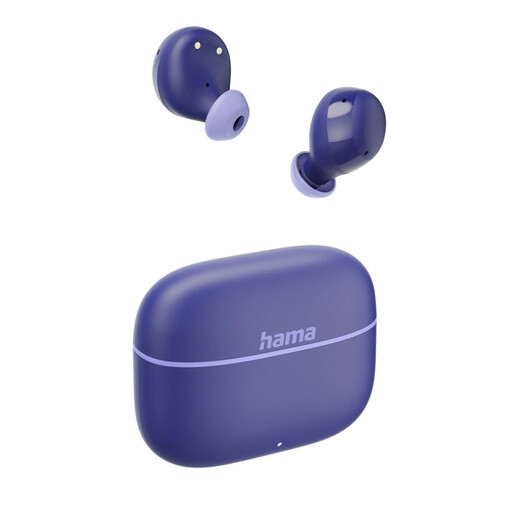
Why this product fits the profile: These True Wireless in-ear headphones combine Bluetooth 5.3, a charging case and three sizes of silicone tips in a compact design for music, commuting and calls.
The single-charge and total runtime are listed separately. IPX4 also clearly indicates splash protection, not full waterproofing.
Up to 4 hours of playback per charge, up to 20 hours with the case, Bluetooth 5.3 and support for Siri and Google Assistant.

Why this product fits the profile: This model is aimed at users who want to consider ANC, app features, customisable sound profiles and integration into a Galaxy ecosystem.
The specs distinguish between 6 hours with ANC and 7 hours without ANC. This gives you a more realistic idea of the battery life.
2-way speaker system, 6 microphones, ANC, 9-band equaliser, IP57 and up to 30 hours total runtime without ANC.
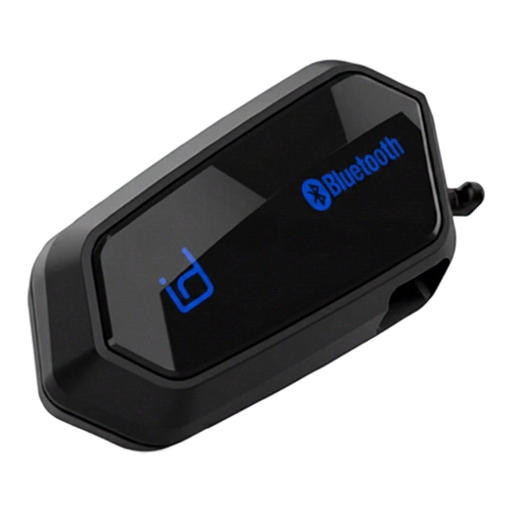
Why this product fits the profile: For motorbike and cycling trips, this Bluetooth helmet intercom offers features for communication, navigation and music playback.
The features aren't just about music: two-person intercom, DSP noise reduction and automatic volume adjustment are all clearly listed.
Up to 35 hours of operation, IPX6 protection, Bluetooth 5.2, Music Sharing and support for two smartphones.
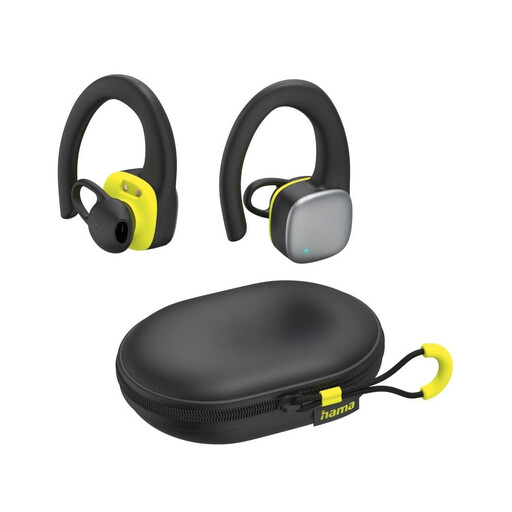
Why this product fits the profile: The ear hooks are designed for a more secure fit during movement. That makes these True Wireless sports headphones ideal for fitness, running and commuting.
The IPX5 rating is intended for sweat and splashes, not for submersion. The ear hook also addresses the problem of them slipping out.
Up to 7 hours of music playback, Bluetooth 5.0, touch controls and a charging case that provides up to four additional charges.
We've put together a full, regularly updated list of products that fully meet these strict selection criteria and the safety regulations in force in the EU.
First, charge the headphones and case sufficiently. Open the charging case or press and hold the pairing button, enable Bluetooth on your smartphone and select the product name shown in the list. For the first connection with True Wireless models, you usually need to take both earbuds out of the case.
The lifespan depends on the battery, charge cycles, volume, temperature and how well you look after them. A full charge every day puts more strain on the built-in battery than occasional use. Store your headphones in a dry place and use a suitable 5-volt charger. Without a manufacturer's specification, it's not possible to reliably predict a specific lifespan.
Power consumption is low compared to larger audio devices. The main cost comes from regularly charging the earbuds and case. Features like ANC, high volume and long call times can reduce the battery life per charge, meaning you'll need to charge them more often.