
Lieferung heute & morgen

Qualitätsgarantie

Willkommens-Angebote freischalten: KOSTENLOSE Lieferung | Bis zu 80 % RABATT | Kostenlose 30-Tage-JoyPlus-Testphase
App herunterladen
The search for the right Bluetooth headphones can quickly become overwhelming. Manufacturers advertise with impressive numbers and technical jargon, but not every feature delivers on its promise in daily use. Before you make a purchase, it's helpful to know the most common pitfalls that can lead to disappointment and unnecessary expense.
As your Joybuy Product Recommendation Officer, I'll help you separate marketing promises from genuine performance features. This guide focuses on the objective criteria that truly matter.
Many buyers focus on prominently advertised features that, in practice, often turn out differently than expected. Two points in particular frequently lead to a bad purchase:
To make an informed decision, you should focus on a few, but crucial, technical features. These three parameters are key determinants of your new headphones' everyday usability.
Choosing the form factor is the most fundamental decision and depends entirely on your personal usage habits.
Instead of just looking at the maximum playback time, you should consider the charging capabilities. A modern USB-C port is now standard and allows you to use the same cable as for many other devices. A fast-charging feature is particularly practical. The claim "5 minutes of charging for 2 hours of playback" can be more valuable in daily life than a total runtime of 60 hours, which you rarely use in one go.
A stable connection is crucial for a frustration-free listening experience. Look for a current Bluetooth version (e.g., 5.3 or higher), as this ensures a more stable and energy-efficient connection. If you frequently use the headphones for phone calls or video conferences, headphones with a microphone and clear voice transmission are essential. Models with multiple microphones and technologies like ENC (Environmental Noise Cancellation) can significantly improve call quality by filtering your voice from background noise.
Here are some models tailored to specific use cases that cleverly avoid the pitfalls mentioned.
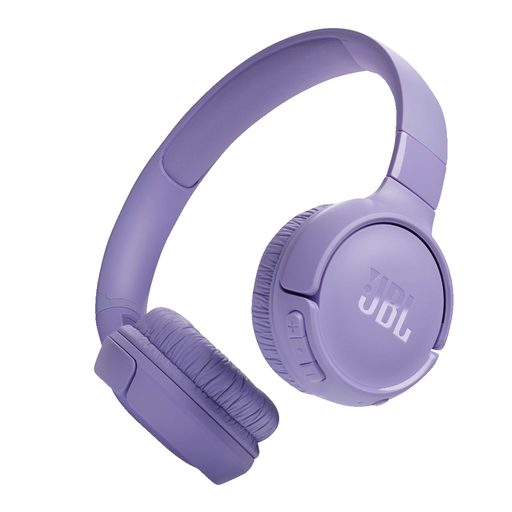
Why This Fits Their Persona: Ideal for the daily commute or long journeys. The lightweight, foldable on-ear design is comfortable and easy to transport without taking up too much space. The multipoint connection allows for seamless switching between a laptop and a smartphone.
It bypasses the unrealistic battery life trap with a high, practical capacity of up to 57 hours and a fast-charging function (5 mins for 3 hrs of playback), offering maximum flexibility with short charging times.
Very high battery life; Bluetooth 5.3 for a stable connection; lightweight and foldable design.
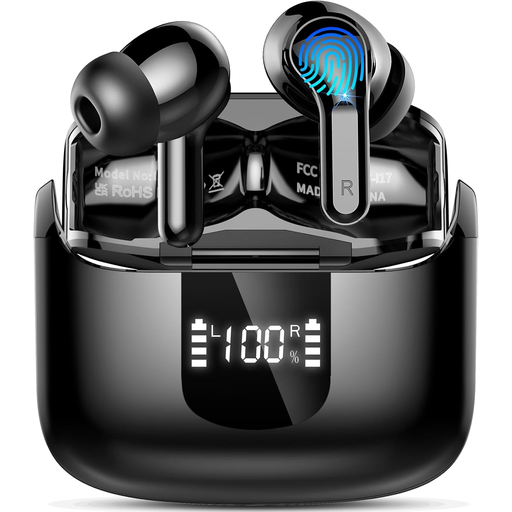
Why This Fits Their Persona: Designed for active users. The in-ear design, weighing only 3 grams per earbud, and the IP-X7 certification make these headphones a reliable companion in the rain or during sweaty workouts.
Instead of vague promises, this model offers a clear IP-X7 certification. This means the headphones are verifiably protected against temporary submersion, making them more than just splash-proof. This is an objective standard for waterproof headphones.
IP-X7 waterproof; very lightweight (3g); 4 ENC microphones for clearer calls.
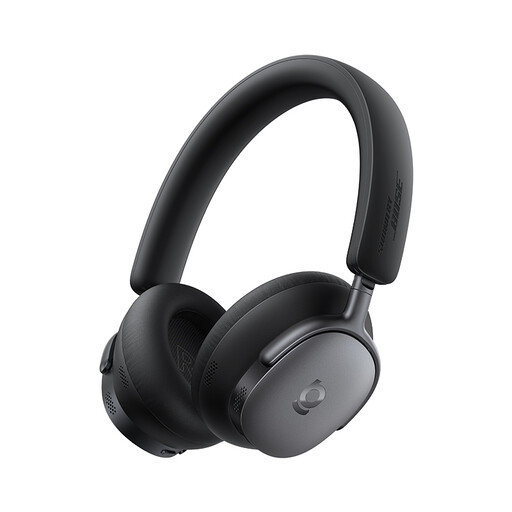
Why This Fits Their Persona: For users who value high-quality sound and effective isolation. The over-ear design and advanced ANC technology create a quiet listening environment, ideal for focused work, enjoying Hi-Res audio, or during air travel.
This model avoids the "noise cancelling" trap by specifying its active noise cancellation (ANC) performance, which reduces noise by up to 48 dB according to the manufacturer. This is a quantifiable metric that separates high performance from mere marketing claims.
Advanced ANC; Hi-Res Audio certification with LDAC codec; long battery life even with ANC (65 hrs).
We have compiled a complete, real-time list of products that fully satisfy these strict selection criteria and UK safety regulations.
The IP rating (Ingress Protection) indicates how well a device is protected against the entry of foreign objects (first digit) and water (second digit). For wireless headphones, the second digit is particularly relevant. IPX4 means protection against splashing water from all directions (e.g., sweat or light rain). IPX7 means protection against temporary submersion in water, making them robust waterproof headphones for intense sports.
The process is usually straightforward:
Most Bluetooth headphones have a built-in microphone and allow you to make phone calls. However, the quality of voice transmission varies greatly. Models explicitly advertised as headphones with a microphone for calls and featuring technologies like ENC (Environmental Noise Cancellation) or multiple microphones generally offer much better clarity for the person on the other end, especially in noisy environments.