
Lieferung heute & morgen

Qualitätsgarantie

Willkommens-Angebote freischalten: KOSTENLOSE Lieferung | Bis zu 80 % RABATT | Kostenlose 30-Tage-JoyPlus-Testphase
App herunterladen
Bluetooth headphones are part of everyday life for many smartphone users. Whether you are commuting, working from home, exercising or gaming, they replace cables and offer flexible use. However, product specifications can vary considerably. If you focus only on terms such as “Hi-Fi”, “powerful bass” or “noise cancelling”, you can easily overlook important details.
The Joybuy Product Recommendation Officer selection helps you understand technical specifications and avoid common purchasing mistakes.
A stated battery life can refer to different conditions, including volume, activated ANC, codec or the additional capacity provided by the charging case. With true wireless headphones, you should therefore distinguish between the following values:
For some in-ear headphones, a specification such as “up to 36 hours” does not mean 36 hours of continuous use. Instead, it may refer to the combined total from several charges.
Active Noise Cancelling (ANC) creates an opposing signal to counter specific background sounds. Low-frequency, consistent noises such as the rumble of a train or aeroplane can often be reduced more effectively than voices or sudden traffic noise. A high decibel figure therefore does not automatically indicate how the headphones will perform in every environment.
A transparency mode is important when near traffic, cycling or standing on railway platforms. It allows some ambient sound through and can help you stay aware of your surroundings. ANC should not be treated as a substitute for paying attention in public spaces.
In-ear headphones only stay securely in place when the ear tips suit the shape of your ears. Having several silicone sizes can make it easier to find the right fit. For sport, specifications such as IPX4 or IP57 are also relevant. Read the protection rating carefully: splash resistance does not automatically mean the headphones are suitable for swimming or complete submersion.
Over-ear headphones distribute pressure differently, but they can feel warmer during extended use. For people who wear glasses, padding, clamping force and weight are practical criteria to consider.
Bluetooth 5.3 or Bluetooth 5.4 can provide a modern, energy-efficient connection. However, actual stability also depends on the smartphone, supported profiles and surrounding environment. A range of around 10 metres is usually stated under favourable conditions.
Multipoint is useful for home working and professional use. It allows compatible headphones to be connected to two devices at the same time, such as a laptop and smartphone. For gaming, a low-latency mode is also important to keep picture and sound as closely synchronised as possible.
Bluetooth headphones with a microphone are suitable for phone calls and video conferences. Check the number and position of the microphones, as well as features such as ENC, which electronically reduces background noise during voice input. ENC and ANC serve different purposes:
Headphones with USB-C can be used with many modern chargers and cables. Nevertheless, check whether a cable is included and whether the case can be charged by cable or additionally wirelessly. With built-in batteries, it should also be clear that user replacement is generally not intended at a later date.
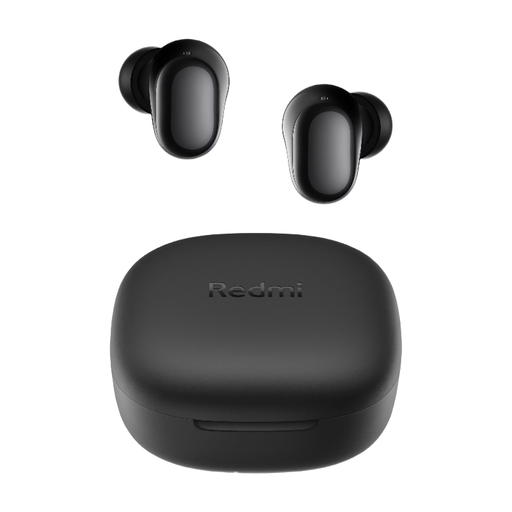
Why this product suits this profile: These true wireless headphones are aimed at users who want compact in-ear headphones for music, podcasts and phone calls. According to the product information, they offer up to 7.5 hours per charge and up to 36 hours with the charging case.
Battery life is specified separately for the earbuds and charging case. Four EQ settings, Bluetooth 5.4 and IPX4 are also listed as clear points of reference.
10 mm drivers, USB-C charging port, touch controls and built-in microphones for calls.
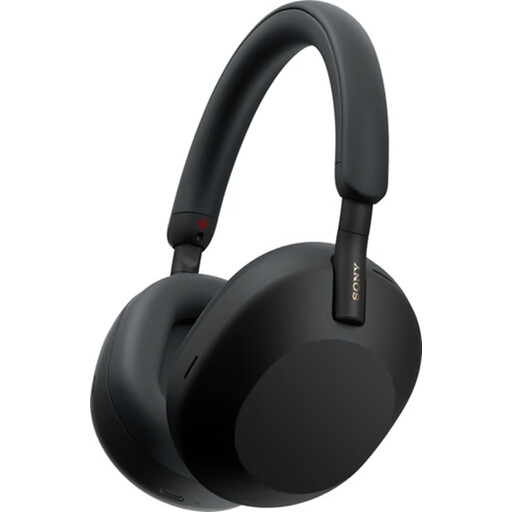
Why this product suits this profile: For long train journeys, focused work and listening to music at home, this over-ear model combines ANC, app control and multipoint connectivity.
Battery life is stated separately with ANC switched on and off: up to 30 and 40 hours respectively. A 3.5 mm connection and USB-C charging are also listed.
LDAC support, four microphones, DSEE Extreme, multipoint and up to five hours of playback after ten minutes of fast charging, according to the product information.
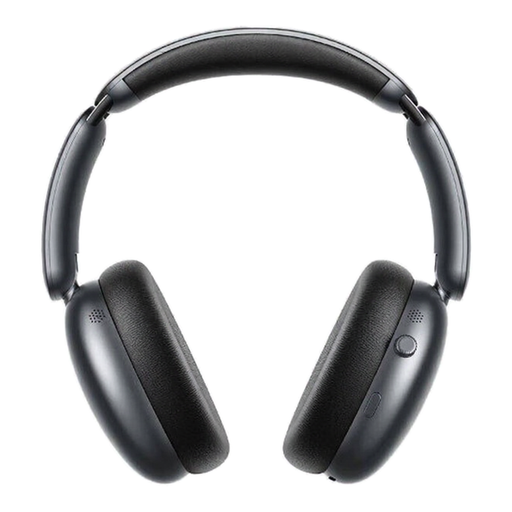
Why this product suits this profile: This foldable over-ear headset is designed for extended use, travel, home working and gaming. According to the product description, it offers up to 120 hours of operating time without ANC and up to 70 hours with ANC.
ANC, transparency and normal modes can be selected separately. This means noise control is not limited to a single setting.
40 mm drivers, Bluetooth 5.4, USB-C, a 12-metre range and stated ANC reduction of up to -46 dB.
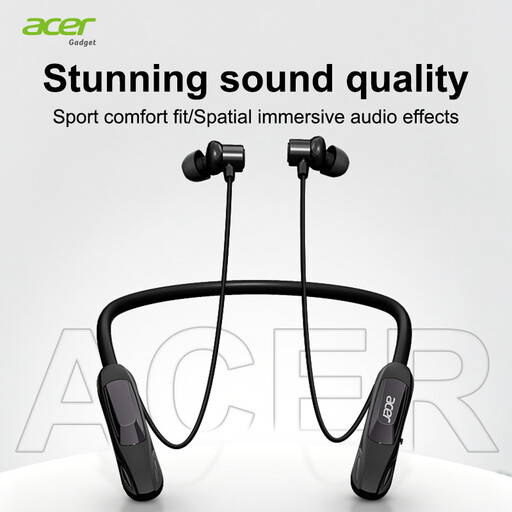
Why this product suits this profile: The neckband design can offer a different wearing option for sport than completely separate true wireless headphones. Magnetic storage, Bluetooth 5.4 and a gaming mode are designed for changing usage situations.
The design keeps both earbuds together with a neckband. A low-latency mode and noise reduction for stereo calls are also specified.
Magnetic storage, Bluetooth 5.4, USB-C charging port and separate gaming and music modes, according to the product information.
We have put together a complete, regularly updated list of products that fully meet these strict selection criteria and the safety regulations applicable in the EU.
Activate Bluetooth on your smartphone, open the headset’s pairing mode and select the displayed product name. With many true wireless headphones, pairing mode starts when you open the charging case. After the first connection, the headphones are often recognised automatically.
Their service life depends on the battery, charging cycles, volume, temperature and care. The manufacturer’s stated battery life does not describe the overall service life. With built-in batteries, capacity may decrease over time. Storing the headphones in a dry place, using suitable chargers and listening at moderate volume can help support careful operation.
ANC can reduce consistent background noise, making it useful for train journeys, open-plan offices or focused work. In traffic and situations where safety is particularly important, use transparency mode or pause playback. Comfort, microphone quality and the ability to hear ambient sounds also remain important.