
Lieferung heute & morgen

Qualitätsgarantie

Willkommens-Angebote freischalten: KOSTENLOSE Lieferung | Bis zu 80 % RABATT | Kostenlose 30-Tage-JoyPlus-Testphase
App herunterladen
The search for the right Bluetooth headphones can quickly become overwhelming. The market is flooded with models promising impressive features and long battery life. Yet, all too often, these bold marketing claims turn into disappointments after just a few weeks. A weak battery, ineffective noise cancelling, or a component failure after the first rain shower are common frustrations.
This guide will help you spot marketing traps and make an informed decision. We focus on the three most common problems that lead to buyer's remorse:
To avoid a bad buy, you should focus on objective, technical parameters. Three features are particularly crucial for the longevity and functionality of your future wireless headphones.
Pay attention to two separate values: the playback time per charge and the total runtime including the power from the charging case. For commuters and heavy users, a long runtime per charge (e.g., 6+ hours) is important. The total runtime indicates how often you can manage without a power outlet on the go. Another key feature is the fast charging function: it allows you to charge the headphones for several hours of use in a short amount of time (e.g., 10 minutes) – a decisive advantage when you're in a hurry.
Not all active noise cancellation is created equal.
For effective isolation in daily life, models with adaptive ANC or at least a well-functioning standard ANC and transparency mode are a sensible choice.
The IP rating (Ingress Protection) indicates how well a device is protected against the ingress of foreign objects (first digit) and water (second digit). For headphones, the second digit is particularly relevant:
For purely office or home use, lower protection is often sufficient, but for sports activities, at least IPX4 is recommended.
Instead of making a one-size-fits-all recommendation, we have selected models tailored to specific use cases.
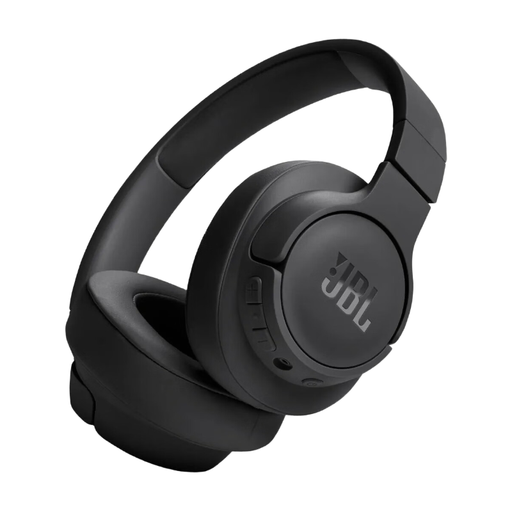
Why This Fits Their Persona: The over-ear form factor offers superior comfort for long commutes or workdays. The multipoint connection allows for seamless switching between a business laptop meeting and a personal call on your smartphone without manually changing the connection.
The stated battery life of up to 76 hours is realistic for this form factor, covering several workdays without recharging. This bypasses the often-exaggerated promises of smaller in-ear models.
Extremely long battery life and stable Multipoint connectivity (Bluetooth 5.3).
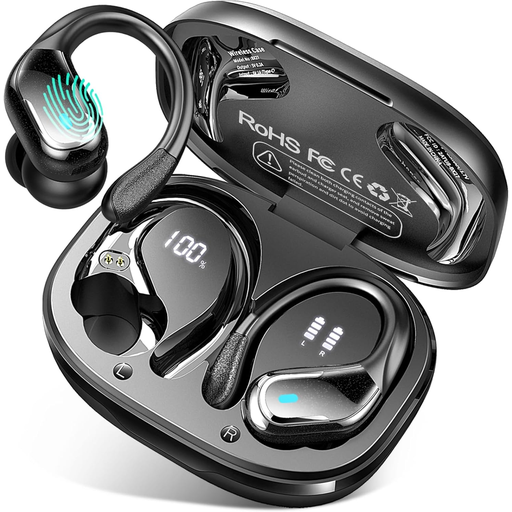
Why This Fits Their Persona: The IP-X7 certification means protection against heavy rain and even brief submersion, ideal for intense workouts outdoors or in the gym. The secure in-ear fit with ear hooks prevents them from falling out during fast movements.
With its IP-X7 rating, this model offers verifiably high water protection. This goes far beyond the often-advertised, but for intense sports insufficient, "sweat-resistant" basic models.
High water resistance (IP-X7) and a very long total runtime with the charging case.
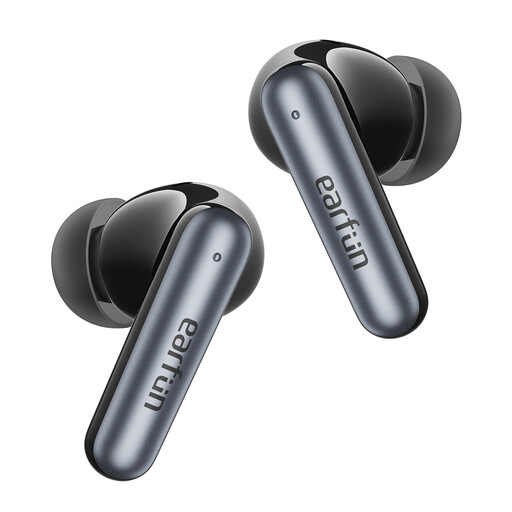
Why This Fits Their Persona: This model supports the LDAC codec, which enables a higher audio bitrate on compatible Android devices for more detailed sound reproduction. The adaptive ANC adjusts to the environment, offering more effective noise isolation than static systems.
Instead of a simple "Noise Cancelling," this model offers adaptive hybrid ANC with noise reduction of up to 50 dB (according to the manufacturer's specs). This delivers an objectively measurable, higher quality of filtering.
Support for Hi-Res Audio (LDAC) and powerful, adaptive ANC.
We have compiled a complete, up-to-date list of products that fully meet these strict selection criteria and German safety regulations.
The process is usually straightforward. Activate Bluetooth on your smartphone, tablet, or computer. Put the headphones into pairing mode, which is typically done by opening the charging case or pressing and holding a button. The headphones should then appear in the list of available devices on your screen. Select them to establish the connection.
The IP rating indicates the degree of protection against foreign objects and water. For headphones, the second digit is crucial: IPX4 means protection against splashing water and is sufficient for light sports. IPX5 protects against water jets, while IPX7 can even withstand temporary immersion, making it suitable for intense sports in any weather.
Modern wireless headphones have made significant progress in recent years. Thanks to advanced audio codecs like aptX HD or LDAC, they can transmit high-resolution audio that comes very close to the quality of wired connections, or for the average listener, is even indistinguishable. However, the final sound quality depends on the entire chain: the source file, the playback device, and the quality of the headphones themselves.