
Lieferung heute & morgen

Qualitätsgarantie

Willkommens-Angebote freischalten: KOSTENLOSE Lieferung | Bis zu 80 % RABATT | Kostenlose 30-Tage-JoyPlus-Testphase
App herunterladen
Bluetooth headphones are part of everyday life for many people: on the way to work, while exercising, studying, working from home or gaming. The choice ranges from compact True Wireless Earbuds to large Noise-Cancelling Headphones. However, technical terms on the packaging do not always tell you whether a model is actually suited to the way you plan to use it.
Three common buying misconceptions particularly often lead to the wrong decision:
The design affects comfort, how you hear surrounding sounds and how securely the headphones stay in place:
A good fit is more important than any individual marketing term. So check whether the ear hooks, headband or silicone tips can be adjusted. For sports use, the model should also stay securely in place while you are moving.
Always compare the runtime per charge with the total runtime including the charging case. A model offering five hours per charge may be sufficient for short journeys, while commuters and travellers are more likely to need longer battery life.
USB-C headphones can be used with many current chargers. Even so, you should check the charging time and, where applicable, whether a fast-charging function is available. For occasional use, a foldable on-ear model with a 3.5-mm audio cable can also be a practical choice, as it can still be used as wired headphones when the battery is flat.
Anyone who makes frequent calls needs headphones with a microphone or a Bluetooth headset that delivers clear voice transmission. However, the number of microphones alone does not guarantee a particular level of call quality. Look for information about the microphone technology and the position of the microphones.
Active Noise Cancelling (ANC) creates an opposing signal that can reduce certain consistent background noises. This can be useful on trains or aeroplanes. Voices, sudden sounds and traffic are not necessarily blocked out completely. When near roads, you should still remain aware of your surroundings.
For sports headphones, protection ratings such as IPX4, IPX5 or IP55 are relevant. Check exactly what the rating means before buying. Sweat and splash protection does not replace safe storage away from moisture, nor does it mean the headphones can be rinsed under a tap.
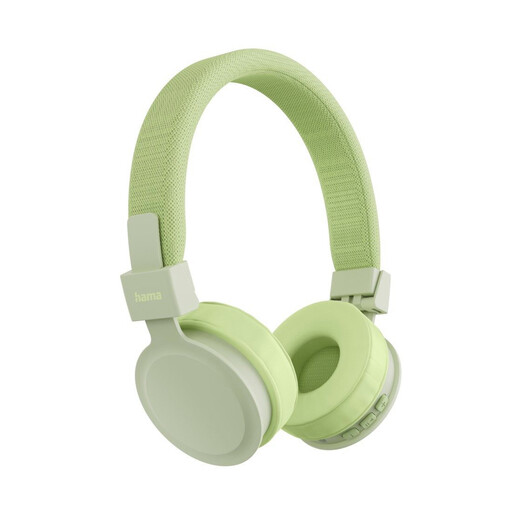
Why this product suits this profile: This foldable on-ear model is ideal for commuters and everyday use. It offers Bluetooth 5.4, an integrated microphone and up to 15 hours of stated music and talk time.
The runtime is explicitly stated per use. A 3.5-mm audio cable is also included, so the headphones can be used with a wired connection when the battery is flat.
120 g weight, foldable design, USB-C charging port and support for Siri and Google Assistant.
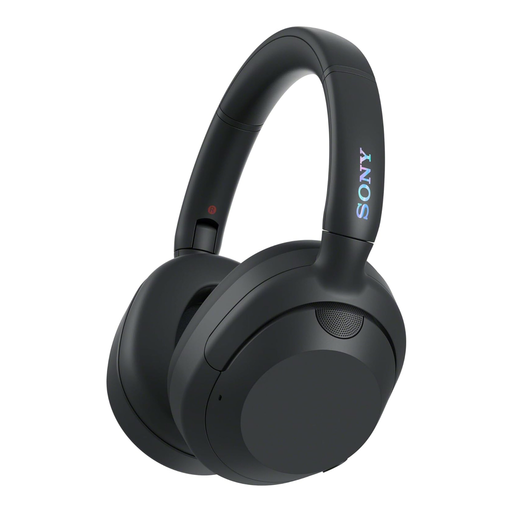
Why this product suits this profile: These over-ear headphones are designed for music lovers and travellers who want to combine ANC, multipoint connectivity and extended battery life.
The specifications distinguish between up to 30 hours with noise cancelling enabled and up to 50 hours without ANC. This gives you a more realistic view of the runtime.
40-mm drivers, Ambient Sound mode, multipoint connectivity and fast charging, with up to 1.5 hours of playback after 3 minutes of charging.
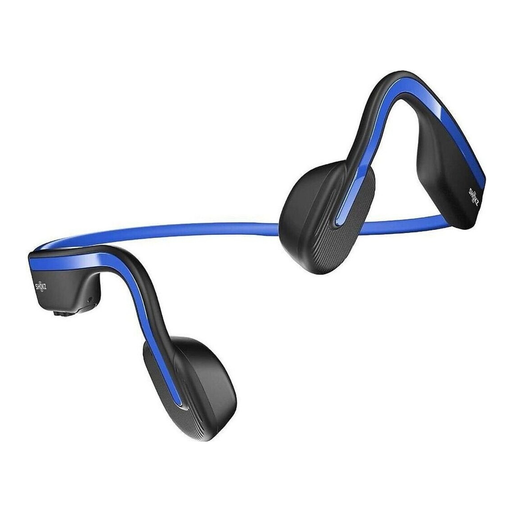
Why this product suits this profile: The open-ear design is intended for runners and users who want to remain aware of surrounding sounds while listening.
The open design does not block the ear canal. However, the IP55 rating is not a licence to submerge the headphones in water.
Bluetooth connectivity, up to 6 hours of playback, IP55 protection and a microphone for calls and online meetings.
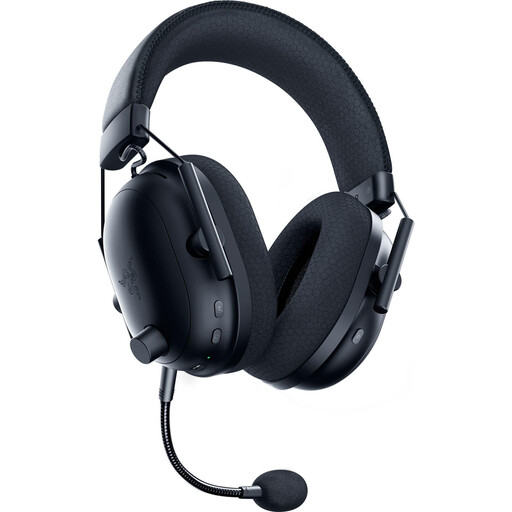
Why this product suits this profile: This gaming headset combines a 2.4-GHz wireless connection with Bluetooth. It is designed for users who prioritise voice communication and low latency while gaming.
The connection types are clearly differentiated: 2.4-GHz wireless is intended for compatible gaming devices, while Bluetooth 5.2 is for suitable everyday devices.
Up to 70 hours of battery life, detachable microphone, 50-mm drivers and USB-C charging port.
We have put together a complete, regularly updated list of products that fully meet these strict selection criteria and the safety regulations applicable in the EU.
Their lifespan depends on the battery, charging cycles, design and care. With built-in batteries, capacity decreases over time. High temperatures, completely discharging the battery and consistently listening at very high volume can all have a negative effect on its lifespan. Store your headphones in a dry place and use a suitable, certified charger.
Many wireless headphones have a built-in microphone. However, microphone position, noise cancellation and your surroundings all play a key role in ensuring clear conversations. In a home office, a Bluetooth headset designed for voice communication may be more suitable than small earbuds, while a compact model is easier to carry when you are out and about.
The energy used for charging is low compared with larger electronic devices. Rather than calculating exact consumption, it is more useful to look at charging time, battery capacity and fast-charging capabilities. A charging case with several additional charges can reduce the number of individual charging sessions, but it also needs to be charged regularly.