
Lieferung heute & morgen

Qualitätsgarantie

Willkommens-Angebote freischalten: KOSTENLOSE Lieferung | Bis zu 80 % RABATT | Kostenlose 30-Tage-JoyPlus-Testphase
App herunterladen
The market for Bluetooth headphones is overwhelming. Manufacturers advertise impressive features and technical specs, but not all promises stand up to real-world use. Before you make a decision, it's crucial to understand the most common marketing traps that can lead to disappointment and unnecessary expenses.
To avoid buyer's remorse, you should focus on a few crucial technical features instead of being swayed by marketing promises.
Choosing the right form factor is the first step. Each type offers specific advantages and disadvantages that should match your lifestyle.
Behind the marketing buzzwords are technical details that determine the quality of your listening experience.
Instead of an overwhelming list, we present models tailored to specific use cases that avoid the pitfalls mentioned earlier.
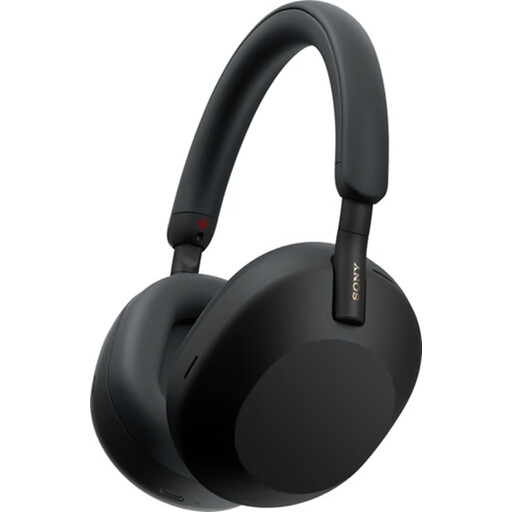
Why This Fits Their Persona: Ideal for individuals who are regularly in noisy environments like trains, aeroplanes, or open-plan offices. The focus is on maximum quiet and long-lasting comfort.
This model bypasses the vague "noise cancelling" trap. According to Sony, the technology automatically optimises noise cancellation based on the environment. The battery life of up to 30 hours with ANC enabled is a realistic figure for continuous use.
Support for the LDAC codec for high-resolution audio and a Multipoint Connection for seamlessly switching between two devices.

Why This Fits Their Persona: Designed for athletes, especially runners, cyclists, and swimmers. The open-ear design (bone conduction) allows for awareness of ambient sounds, which increases safety outdoors.
This model avoids the misleading waterproof trap with a clear IPX8 certification. This means it is suitable for continuous submersion in water and can therefore be explicitly used for swimming.
Features 32 GB of internal storage, allowing music to be stored directly on the device and played without a connected smartphone (e.g., in the swimming pool).
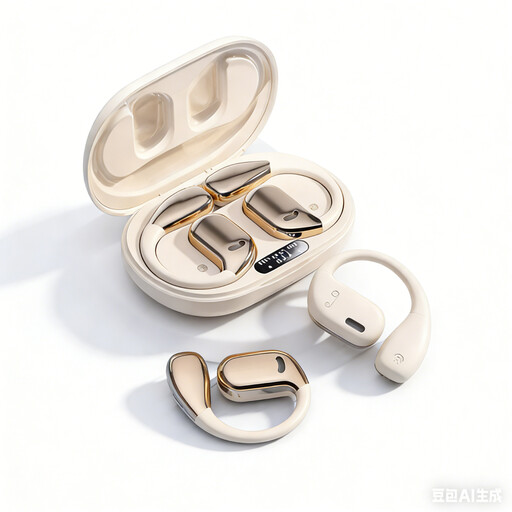
Why This Fits Their Persona: Specifically for users who travel internationally or communicate with partners from different countries. These headphones not only serve for listening to music but also act as a tool for overcoming language barriers.
Instead of focusing on general features, this product delivers a highly specialised function. It doesn't promise the best noise cancelling, but rather functional real-time translation, making it a niche product with a clear benefit.
The core feature is AI-powered real-time translation for approx. 150 languages via an associated app. This makes the translator headphones a practical companion for business trips and tourism.
We have compiled a complete, up-to-date list of products that fully meet these strict selection criteria and German safety regulations.
The lifespan of wireless headphones depends on two factors: physical durability and battery life. High-quality models are often built more robustly. However, the lithium-ion battery is subject to natural wear and tear and loses capacity after about 2-3 years of intensive use. The actual lifespan varies greatly depending on usage and charging habits.
In principle, yes, provided your TV supports Bluetooth audio output. However, a potential issue is latency (delay), which can cause the audio to be out of sync with the picture. For an optimal TV experience, headphones and transmitters with a low-latency codec, such as aptX Low Latency, are recommended.
A multipoint connection allows your headphones to be connected to two devices at the same time, such as your laptop and your smartphone. If you are watching a video on the laptop and a call comes in on your phone, the headphones switch over automatically. This feature is particularly useful for people who work from home or frequently switch between different devices.