
Lieferung heute & morgen

Qualitätsgarantie
App herunterladen
Kategorien
The selection of in-ear Bluetooth headphone models is extensive, with a wide range of technical specifications. To make an informed decision, objective criteria such as the type of noise cancellation, supported audio codecs, battery life, and connectivity are crucial. This article analyses these key parameters and presents a selection of models that stand out for their specific technical features.
The evaluation of wireless headphones should be based on measurable performance data and functional characteristics. The following aspects are relevant for practical use.
In-ear headphones with noise cancelling use microphones to capture ambient sounds and neutralise them by generating anti-noise sound waves. A distinction is made between standard and adaptive ANC. Adaptive ANC adjusts the intensity of the noise cancellation in real-time to match the environment, which is particularly advantageous in changing noise environments like public transport. A transparency mode, which selectively allows external sounds to pass through, enhances safety in traffic.
The quality of the wireless audio transmission is determined by the Bluetooth codec used.
Battery life is specified with two values: the playback time of the earbuds on a single full charge, and the total runtime in combination with the earbuds with charging case. Activating ANC typically reduces battery life by 20–30%. A fast-charging feature, which provides an additional hour of playback after just a few minutes of charging, is a relevant factor for flexible daily use.
A secure and comfortable fit is crucial, especially for headphones for sports. Models with interchangeable silicone tips in various sizes allow for a customised fit for the ear canal. The IP (Ingress Protection) rating indicates the level of protection against the ingress of foreign objects and water. An IPX4 certification signals protection against splashing water, while higher ratings like IPX7 or IP57 also offer protection against temporary submersion and dust.
For use as a headset for making calls, the quality of the built-in microphones is critical. Systems with multiple microphones (beamforming) and algorithms for suppressing wind and ambient noise can significantly improve speech clarity for the person on the other end of the call.
Based on the technical criteria mentioned above, we have compiled a selection of models for different user profiles.
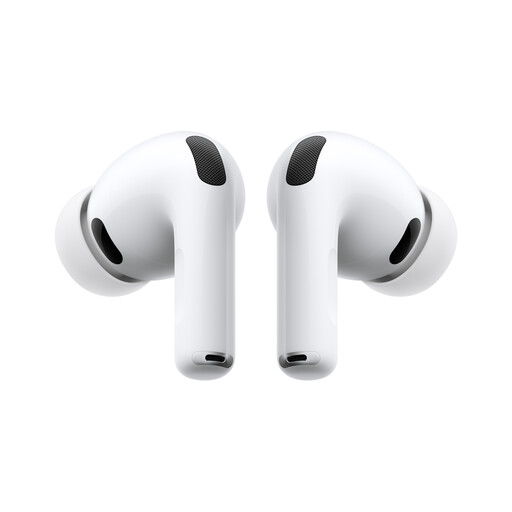
Why we recommend this product: The Apple AirPods Pro 3 are designed for users within the Apple ecosystem. The integration of the H2 and U2 chips enables seamless pairing and functionality with Apple devices. According to the manufacturer, the active noise cancellation reduces unwanted noise up to twice as effectively as the previous generation. Features like the integrated heart rate monitor and Personalised Spatial Audio with dynamic head tracking offer an expanded feature set beyond pure audio playback.
Advantages:
Who it's for: This model is primarily aimed at iPhone, iPad, and Mac users who value maximum functional integration, advanced audio features, and additional health-tracking capabilities.
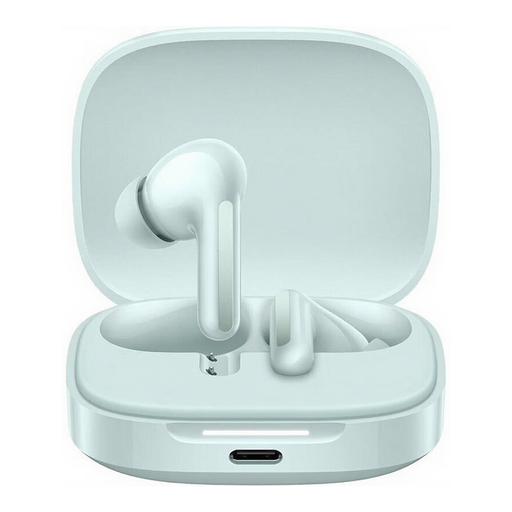
Why we recommend this product: The Redmi Buds 6 focus on core essential functions within a lightweight and ergonomic design. Weighing just 5.0 grams per earbud and designed for long-lasting comfort, they are ideal for daily use. The integrated noise cancellation serves to reduce background noise during calls and music playback. The use of Bluetooth 5.4 ensures a stable connection.
Advantages:
Who it's for: Users looking for lightweight, straightforward, and affordable wireless headphones for daily use, commuting, and occasional calls.
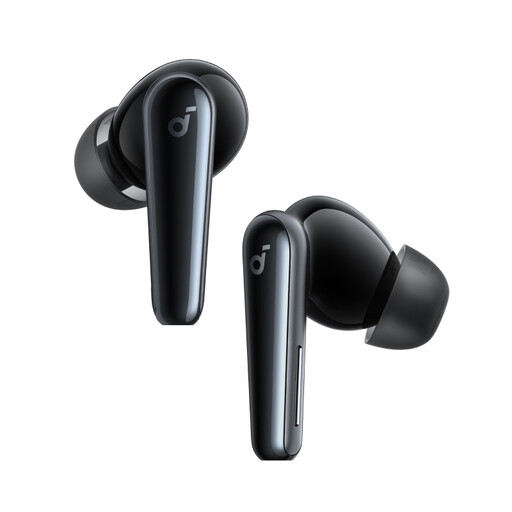
Why we recommend this product: The Soundcore Liberty 5 from Anker Innovations are positioned by their combination of advanced noise cancellation and support for high-resolution audio. According to the manufacturer, the ANC 3.0 technology adapts to environmental changes every 0.3 seconds. Support for the LDAC codec and Hi-Res Audio certification makes them appealing to audiophiles. The six-microphone system with AI noise reduction is designed for clear voice transmission during calls, even in windy conditions.
Advantages:
Who it's for: Tech-savvy users and music lovers who seek high sound quality and effective, adaptive noise cancellation, while also valuing clear voice quality for phone calls.
If the models presented here do not exactly meet your requirements, or if you are considering wired alternatives with a USB-C connection, you can find a wider selection in our USB Headphones category.
1. What is the difference between True Wireless and wireless headphones? The term "wireless headphones" is an umbrella term. True Wireless Earbuds are a subcategory where the two earpieces are completely separate from each other, with no physical connection (such as a neckband) between them. All models featured here are True Wireless Earbuds.
2. How important is IP certification for sports headphones? An IP certification is an essential quality feature for sports activities. A rating of at least IPX4 (protection against splashing water from all directions) is recommended to protect the headphones from sweat and light rain. Models like the Apple AirPods Pro 3 with IP57 offer even greater protection against dust and temporary submersion.
3. Can I also use in-ear headphones for making calls in the office? Yes, modern in-ear headphones are well-suited for use as a headset for making calls. Models with multiple microphones and noise-cancellation technologies, such as the Soundcore Liberty 5, can clearly isolate your voice from background office noise, thereby improving call quality for the person on the other end.