
Lieferung heute & morgen

Qualitätsgarantie

Willkommens-Angebote freischalten: KOSTENLOSE Lieferung | Bis zu 80 % RABATT | Kostenlose 30-Tage-JoyPlus-Testphase
App herunterladen
A Bluetooth speaker should play music reliably, be easy to carry and suit the place where you intend to use it. However, eye-catching wattage figures, unclear protection ratings and unrealistic battery-life claims often lead to disappointing purchases. Checking a few technical details before buying makes it easier to compare portable Bluetooth speakers, party models and soundbars objectively.
A high power rating does not automatically mean balanced sound or high volume in everyday use. It is important to establish whether the figure refers to RMS power or short-term maximum or peak power. Cabinet size, speaker drivers and room acoustics also affect the result.
A compact 2.0 system with 3 W may be sufficient for a desk. For a garden party or larger rooms, however, a party speaker with higher continuous power, a 2.1 system or two TWS speakers may be more suitable.
A waterproof Bluetooth speaker is protected only within the limits of its stated IP rating. For example, the IPX7 rating describes limited protection against temporary immersion. IPX6, by contrast, means protection against powerful jets of water, not continuous immersion. IP67 combines dust protection with a defined level of water protection.
Salt water, chlorinated water, high water pressure and damaged seals can reduce the effectiveness of the protection. The device should be completely dry before charging.
Claims such as “up to 12 or 20 hours” usually refer to specific volume levels and operating conditions. High volume, bass boost, RGB lighting, phone calls and low temperatures can reduce battery life. You should therefore also check the charging time, charging port and battery capacity. USB-C is practical for mobile use, but a power adapter is not always included.
For travelling, cycling or walking, weight, dimensions, carrying handle, strap and charging port all matter. A 5.2 kg model is more suitable for transport to a fixed location than for carrying in a rucksack. Additional connections such as AUX, USB, USB-C, 3.5 mm jack or 6.3 mm jack expand the possible uses.
For TV and gaming, the type of connection is crucial. A soundbar for TV with HDMI ARC or eARC allows control via the TV remote, depending on the television. Optical inputs are an alternative for devices without HDMI ARC. Bluetooth is convenient for music, but with TV audio it can cause a delay depending on the combination of devices.
Pay attention to the specific IP rating and the manufacturer’s instructions. An outdoor speaker should also be protected from falls, dust and direct sunlight. Even with IP67 or IPX7, remember to dry the connections before charging, avoid using the device under water for extended periods and stop using it if there is visible damage.
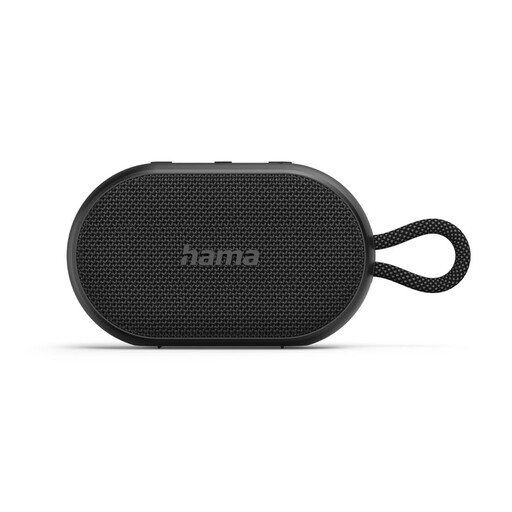
Why this product suits the profile: This compact 6 W model weighs 206 g, offers Bluetooth 5.3 and is suitable for the kitchen, bathroom, days out and smaller gatherings.
The IPX7 rating is clearly described as protection down to a depth of 1 m for up to 30 minutes. According to the product details, battery life is up to 12 hours.
USB-C charging, an integrated hands-free function, carrying strap and TWS pairing for two devices.
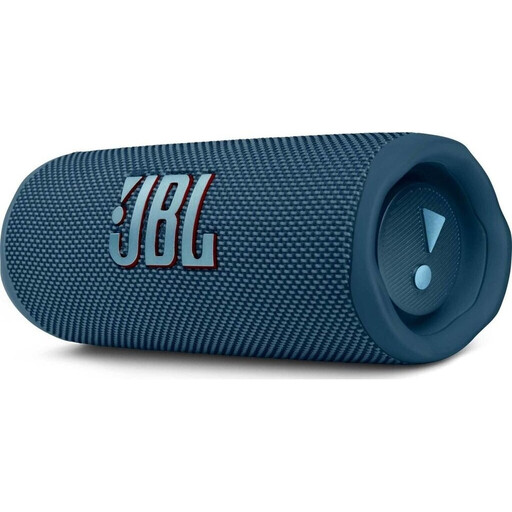
Why this product suits the profile: The 2-way system delivers 30 W of rated power, while IP67 indicates protection against dust and temporary immersion.
Rated power, a frequency range of 63 to 20,000 Hz and battery life of up to 12 hours are listed separately.
USB-C charging port, weight of 550 g, Bluetooth 5.1 and TWS pairing for separate stereo playback.
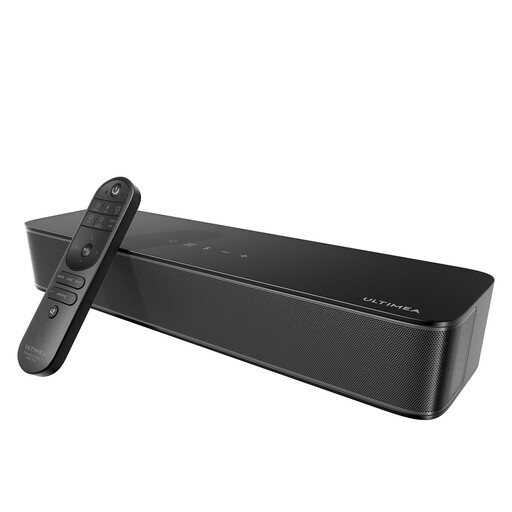
Why this product suits the profile: This soundbar for TV features an integrated subwoofer, Bluetooth 5.4, an optical input, AUX, USB and SUB OUT.
The 120 W is specified as peak power, making it possible to distinguish this figure from continuous power.
App control with a 10-band equaliser, several sound profiles and SUB-OUT for an active subwoofer.
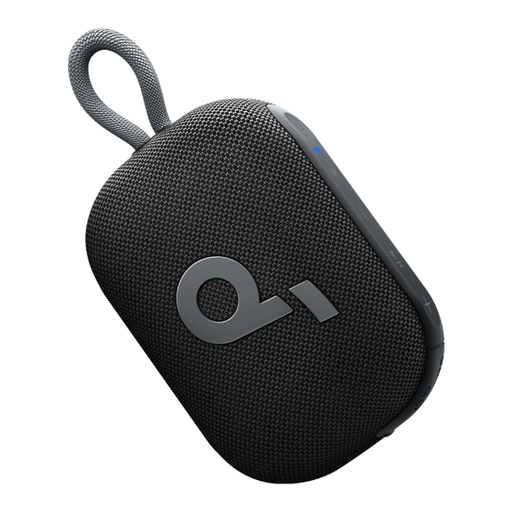
Why this product suits the profile: This portable speaker is designed for walks, the shower, the beach and everyday use, and weighs around 264 g according to the product details.
The IP67 classification and stated battery life of up to 20 hours provide specific points of comparison instead of a vague outdoor-use claim.
Floating housing, USB-C charging, TWS function and stated battery life of up to 20 hours.
We have put together a complete, regularly updated list of products that fully meet these strict selection criteria and the safety regulations applicable in the EU.
Switch on the speaker and activate Bluetooth on your smartphone. Open the list of available devices and select the displayed product name. When connecting a new device, keep the speaker as close to the smartphone as possible. TWS functions are generally activated afterwards using a button or the relevant app.
Actual battery life depends on charging cycles, temperature, volume and storage conditions. For everyday use, avoid operating the speaker continuously at maximum volume and do not leave it completely discharged for extended periods. For permanently installed lithium-ion batteries, replacement is usually intended to be carried out only by qualified personnel.
The electricity used for charging is low compared with many household appliances. In everyday use, the main indirect costs of a wireless speaker come from charging and possible battery wear over time. A USB-C connection can use your existing charging setup; nevertheless, check the voltage and power ratings recommended by the manufacturer.