
Lieferung heute & morgen

Qualitätsgarantie

Willkommens-Angebote freischalten: KOSTENLOSE Lieferung | Bis zu 80 % RABATT | Kostenlose 30-Tage-JoyPlus-Testphase
App herunterladen
A Bluetooth speaker should play your music without fuss, but product descriptions often focus on big wattage numbers, flashy designs, or vague terms like "HiFi". For shoppers in the UK, these details alone aren't very helpful. What really matters is whether the device suits where you'll use it, how you'll power it, and what connections you need.
Typical buying mistakes come down to three things:
For a portable Bluetooth speaker, weight, dimensions, and the charging port are more important than the highest possible power rating. USB-C makes it easier to charge with the power adapters you already have. Also check whether a charger is included in the box.
A Bluetooth speaker with a battery is ideal for commuters, travel, and the garden, whereas a stationary wireless speaker for the living room usually stays plugged into the mains. Manufacturer claims like "up to 20 hours" or "over 32 hours" are rough guides. At high volume, with lighting activated, or in cold outdoor temperatures, the actual battery life may be shorter.
The IP rating should match where you plan to use it:
A waterproof speaker must not get wet while charging. Ports need to be sealed against water. Even an outdoor Bluetooth speaker shouldn't be left in direct sunlight, frost, or under high water pressure for long periods.
Bluetooth 5.0, 5.3, or 5.4 mainly describes the wireless generation. For playback quality, the codec, source file, and your smartphone also play a role. LDAC, for example, can enable a higher data transfer rate if both devices support it.
For a living room setup, extra inputs are often crucial:
A HiFi Bluetooth speaker or a pair of active bookshelf speakers isn't automatically the same as a Wi-Fi speaker. Wi-Fi models can offer extra streaming and multi-room features, but they usually need a permanent network connection.
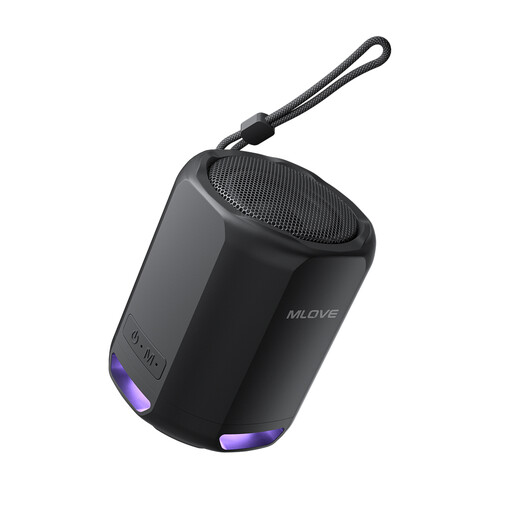
Why this product fits the profile: This compact model combines Bluetooth 5.3, TWS pairing, and built-in lighting for everyday use in the kitchen, bedroom, or on the go.
The specs list specific ports and an IP45 rating. This makes it easier to judge how you'll use it, rather than relying on vague sound promises.
Bluetooth 5.3, up to 24 hours stated playback time, and Micro-SD support.
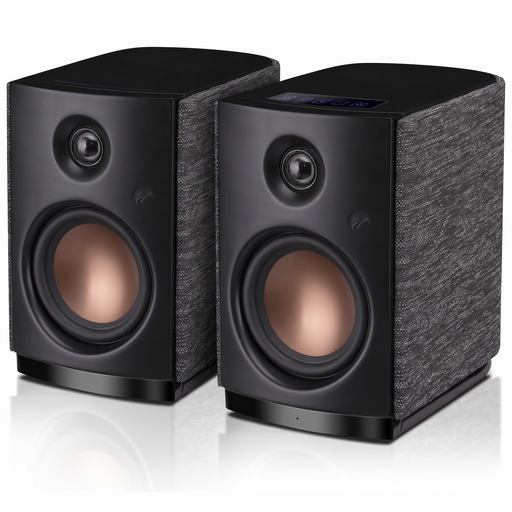
Why this product fits the profile: As active stereo speakers for a desk, shelf, or TV area, the system offers separate speaker placement and 62 W RMS according to the product specs.
Being labelled as an active system makes it clear that no separate amplifier is needed. This reduces the risk of confusing passive and active speakers.
Bluetooth 5.0, touch controls, and a 4-inch woofer in a compact stereo setup.
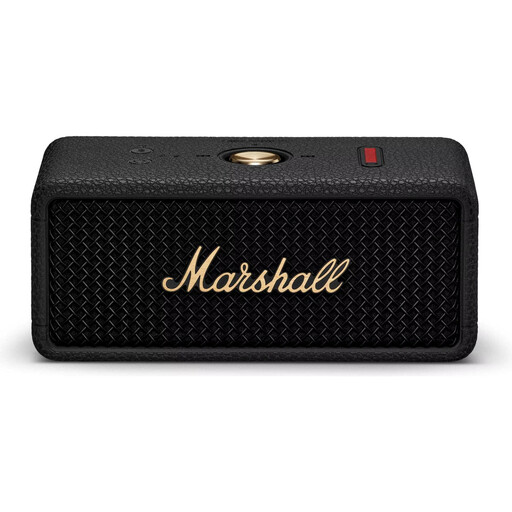
Why this product fits the profile: This model is designed for frequent changes of location and is ideal for travel, the balcony, the garden, or daily transport.
The product data lists IP67, USB-C, weight, and a stated playback time of over 32 hours. This allows you to compare protection, portability, and power needs directly.
IP67 rating, Bluetooth connectivity, built-in microphone, and a weight of 670 g according to the product specs.
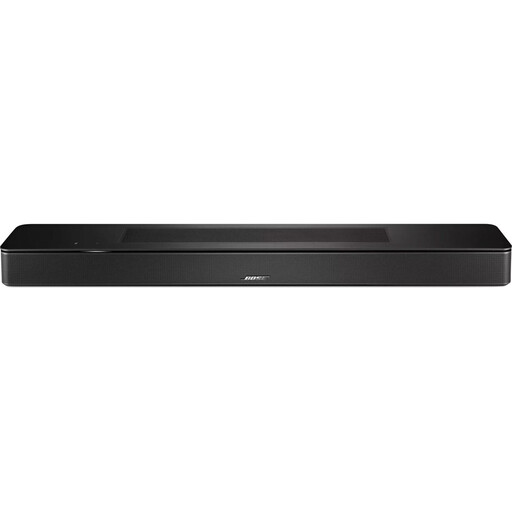
Why this product fits the profile: The soundbar is designed for TVs, streaming, and compact home cinema setups, and supports Bluetooth alongside HDMI eARC and optical input.
The available TV connections and compatibility with additional surround speakers prevent you from choosing a pure Bluetooth speaker for a fixed TV installation.
5.1.2-channel configuration according to the product specs, Dolby Atmos support, HDMI eARC, and optical input.
We've put together a complete, regularly updated list of products that fully meet these strict selection criteria and the safety regulations in force in the EU.
With a stereo or HiFi Bluetooth speaker, the units should be positioned as symmetrically as possible to your listening position. Avoid placing them directly in corners if the bass feels too strong, and don't block any speaker grilles. A soundbar should sit centrally under or in front of your TV. Additional surround speakers need a stable position and enough distance from walls and furniture.
For battery-powered models: dry the charging port before charging, only use suitable cables, and stop using the device if it becomes unusually hot or the battery swells. At the end of their life, electronic devices should be taken to a designated recycling point or household waste centre, not thrown in the general rubbish.
Turn on the speaker and activate pairing mode. Open the Bluetooth settings on your smartphone and select the device name that appears. With previously paired devices, the connection often happens automatically. If the speaker isn't visible, you may need to disconnect other active connections.
That depends on the battery capacity, volume, Bluetooth function, and other features. Manufacturer claims like 20, 24, or 32 hours are usually maximum values under defined conditions. For everyday planning, it's wise to allow a safety margin below the advertised battery life.
With a battery-powered model, the main cost is the electricity for recharging. The actual consumption depends on the battery capacity, charging losses, and how often you charge it. Stationary speakers like active bookshelf speakers or a soundbar with Dolby Atmos, on the other hand, need mains power continuously while in use. So check the power consumption and standby usage if the device is left on for many hours a day.