
Lieferung heute & morgen

Qualitätsgarantie

Willkommens-Angebote freischalten: KOSTENLOSE Lieferung | Bis zu 80 % RABATT | Kostenlose 30-Tage-JoyPlus-Testphase
App herunterladen
A Bluetooth speaker should make it easy to play music, films or games. In practice, unclear power ratings, misunderstandings about water resistance and choosing the wrong design can often lead to disappointing purchases. A small portable Bluetooth speaker, for example, is handy for your rucksack, but it won’t necessarily fill a room with sound like a party speaker. That’s why our recommendations are based on clear specifications and how you plan to use the speaker.
A high wattage alone doesn’t tell you how good a speaker will sound. The speaker design, enclosure, frequency range, efficiency and room size all matter too. A compact 5-watt outdoor speaker may be just right for listening on the go, while an 8-watt PC speaker may be enough for your desk. For larger rooms or parties, enclosure volume, bass drivers and the ability to pair multiple devices also matter.
The IP67 rating generally means protection against dust and temporary immersion under specified conditions. IPX4, on the other hand, covers splashing and shouldn’t be confused with a waterproof Bluetooth speaker. Make sure the ports are sealed, and avoid charging a wet device. Even IP67-rated models aren’t automatically protected against salt water, chlorine or high-pressure water jets.
‘Up to’ usually applies at specific volume levels and settings. High volume, bass boost, lighting and other active features can reduce battery life. As well as the maximum playback time, check the charging port, charging time, fast-charging function and, where relevant, whether the speaker can be used as a power bank.
For walks, cycle rides or travel, weight, a carry handle or strap, and a built-in battery are important. According to the product specifications, the soundcore Select 4 Go weighs around 263.65 grams, offers up to 20 hours of playback and has a USB-C port. A mains-powered Bluetooth speaker such as the Marshall Acton III, by contrast, weighs 2.85 kilograms and is better suited to indoor use.
If you’re choosing a PC speaker or gaming soundbar, also check that USB, 3.5 mm jack or Bluetooth 5.x will work with your computer and console. Wired systems generally don’t need battery maintenance, but they’re less flexible to position.
For the garden, beach or pool, IP67 models with sealed port covers are a practical choice. If a device has an IPX4 rating, limit its use to situations where it may get splashed. For living-room speakers without a specified protection rating, keep them somewhere dry and well ventilated.
Useful features may include USB-C, an AUX input, a microphone input, USB playback or TWS and stereo pairing. If you’re looking for a karaoke speaker, also check for microphone inputs, separate volume controls and battery life when microphones are connected.
Frequency specifications such as 45 to 20,000 Hz indicate the stated frequency range, but tell you little about the speaker’s actual sound balance. Clear mid-range sound is important for voices and podcasts, while a separate subwoofer can benefit films and music. Keep the volume moderate during longer listening sessions, as prolonged exposure to high levels can damage your hearing.
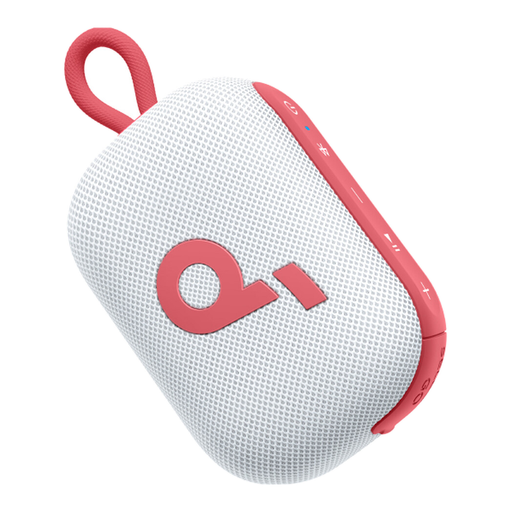
Why this product suits this profile: This compact speaker is designed for walks, cycle rides and occasional music outdoors. It offers up to 20 hours of playback, IP67 protection and a built-in carry strap.
The IP67 rating and specific battery-life figure make it easier to assess whether this speaker is right for outdoor use than vague marketing claims do.
5-watt output, up to 20 hours of playback, IP67 protection and TWS pairing with a second speaker.
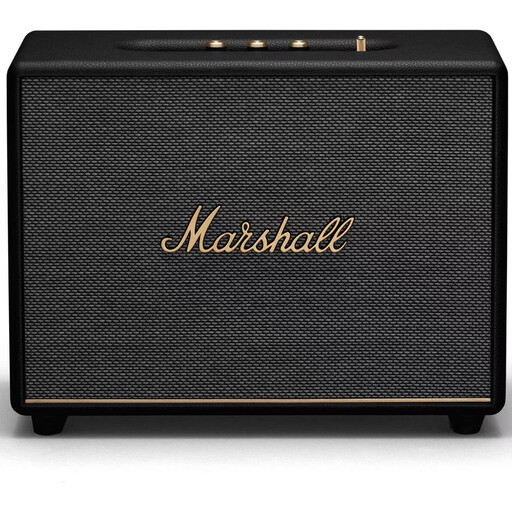
Why this product suits this profile: This mains-powered stereo system offers several audio inputs and a 3-way speaker design, making it a good choice for the living room. It’s aimed at people who don’t need a portable speaker.
Its 90-watt rated power, stated frequency range of 35 to 20,000 Hz, and HDMI, RCA and AUX connections are clearly specified technical features.
3-way design, 90-watt rated power, Bluetooth 5.2 and several wired inputs.

Why this product suits this profile: This model combines portable use with up to 30 hours of battery life, IP67 protection, a microphone and guitar input, and a power bank function. It’s well suited to larger outdoor gatherings and karaoke.
The IP67 rating comes with specific warnings: don’t charge the device when it’s wet, and don’t leave it submerged for long periods.
Up to 30 hours of battery life, IP67 protection, microphone/guitar input, LED lighting and Party Connect.
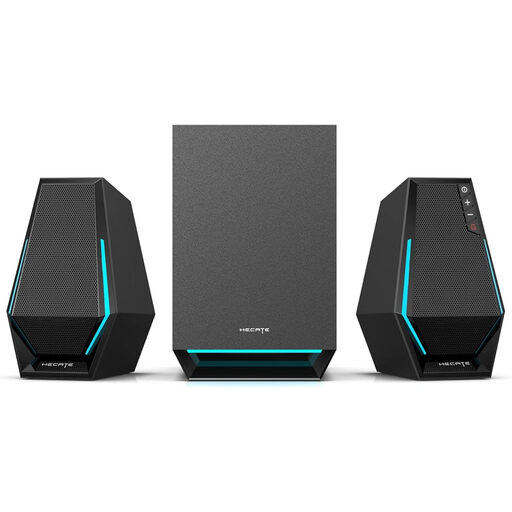
Why this product suits this profile: This wired 2.1 system is designed for PCs, laptops and games consoles. USB, USB-C, 3.5 mm AUX and Bluetooth 5.3 offer several ways to connect it at your desk.
The connections and 2.1 configuration are clearly specified. As the system isn’t waterproof, it’s clear that it isn’t suitable for outdoor use.
60 watts of output power, subwoofer, three sound modes, RGB lighting and four connection options.
We’ve put together a complete, regularly updated list of products that meet these strict selection criteria and fully comply with the safety regulations in force in the EU.
A speaker is a good choice if you want several people to listen together or prefer not to block out the sounds around you. For phone calls, commuting and focused listening, Bluetooth headphones or wireless headphones may be a better fit. Open-ear models such as the JBL Soundgear Clips let you hear what’s going on around you and, according to the product specifications, offer Bluetooth 5.4, multipoint connection for two devices and IP54 protection. Active noise cancellation isn’t listed for this model.
Switch on the speaker and enable Bluetooth on your smartphone. Select the model that appears and confirm the pairing request. If you have trouble connecting, try removing old connections, restarting the speaker and keeping the devices close together during initial setup.
Battery life depends on charging cycles, temperature, volume and storage conditions. Use a suitable USB-C power adapter, avoid excessive heat and don’t continue charging a damaged or swollen battery. The stated playback time is a maximum and may be shorter in everyday use.
Battery-powered models use electricity when charging, while mains-powered devices can stay plugged in. Actual consumption depends on charging power, how long you use the speaker and its standby behaviour. To work out running costs, check the power consumption on the rating plate or in the specifications, rather than relying on the speaker’s wattage alone.