
Lieferung heute & morgen

Qualitätsgarantie

Willkommens-Angebote freischalten: KOSTENLOSE Lieferung | Bis zu 80 % RABATT | Kostenlose 30-Tage-JoyPlus-Testphase
App herunterladen
By: Joybuy Product Recommendation OfficerDate: August 28, 2026
The selection of board games is vast, but not every game lives up to the promise on its box. Vague claims or mismatched designs often lead to frustration instead of fun. This guide will help you navigate common purchasing traps and make an informed decision that suits your needs—whether for a cozy family night, a lively get-together with friends, or as a thoughtful gift for children.
Before you choose a game, you should be aware of three widespread problems that often only become apparent after you've opened the box:
To avoid disappointment, focus on objective features. These three parameters are central to choosing the right board game.
The manufacturer's age rating is an important first indicator. However, you should also check whether the required skills (reading, strategic thinking, fine motor skills) match the child's developmental stage. For board games for kids and adults, models with scalable difficulty or cooperative game modes are often a great choice. The player count (minimum and maximum) determines the occasions for which a game is suitable. A dedicated two-player game fosters direct competition, while party games for larger groups are designed for communication and interaction.
The average game duration is a critical factor for practicality. Short card games or travel games lasting 15–20 minutes are ideal for in-between moments or on the go. Longer strategy games (60+ minutes) are better suited for planned game nights. Replayability describes how varied a game remains over time. Games with variable setups, numerous event cards, or different strategic options generally offer higher replay value than those with a linear gameplay loop.
Pay attention to the quality of the components. Sturdy game boards, easy-to-handle cards, and well-made game pieces are a sign of durability. For educational games for younger children, non-toxic, robust materials like wood or thick cardboard are particularly important. The theme should match the target audience. While children are often drawn to colorful worlds and familiar characters, adults may prefer abstract strategy games or more thematically sophisticated classic games.
Here are a few recommendations tailored to different requirements and gaming situations.
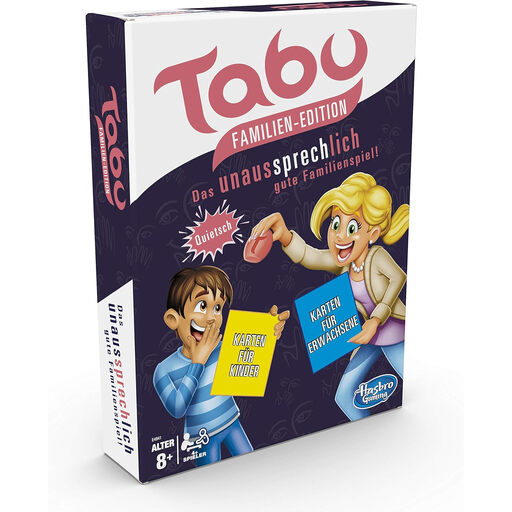
Why it's a great fit: It's specifically designed to let kids and adults compete fairly against each other, making it an ideal choice for multi-generational game sessions.
This game solves the "one-size-fits-all" problem with two separate sets of cards. The words for children are simpler and have fewer taboo words, ensuring a balanced challenge.
Promotes communication and creativity across the entire family with content tailored for both young and old.
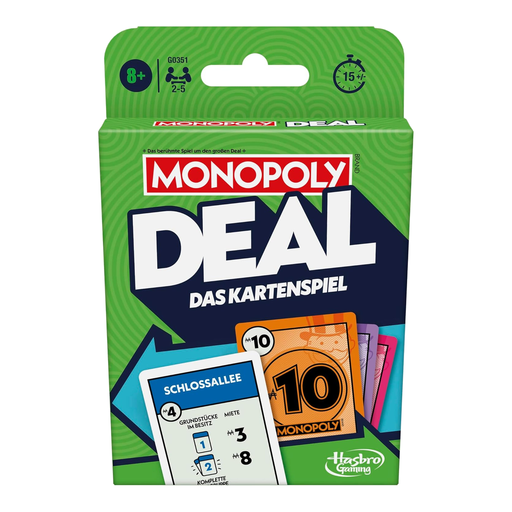
Why it's a great fit: It condenses the fun of Monopoly into a fast, 15-minute card game. Its compact size makes it perfect for travel, breaks, or spontaneous game rounds.
It avoids the trap of overly complex rules. The game can be explained in minutes yet still offers strategic depth, ensuring high replay value without a lengthy setup.
High portability and an extremely short playtime without sacrificing strategic elements and player interaction.
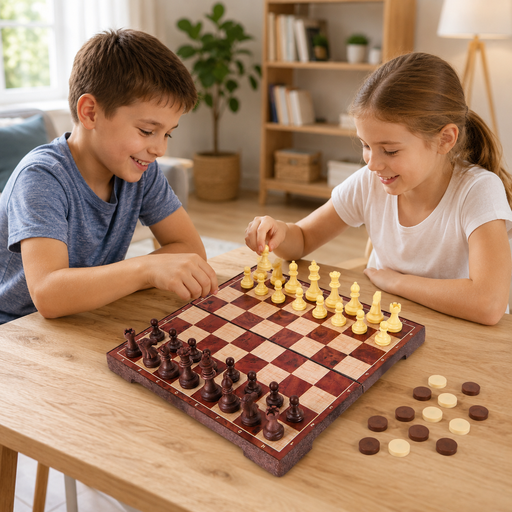
Why it's a great fit: Chess is the epitome of a strategic two-player game. It is ideal for anyone seeking an intellectual challenge and wanting to train their concentration and planning skills.
This game needs no marketing. Its value lies in a purely skill-based gameplay principle that has been proven for centuries. It bypasses the trap of short-lived trends and offers infinite replay value.
A timeless classic that promotes strategic thinking and is made from durable materials for long-lasting use.
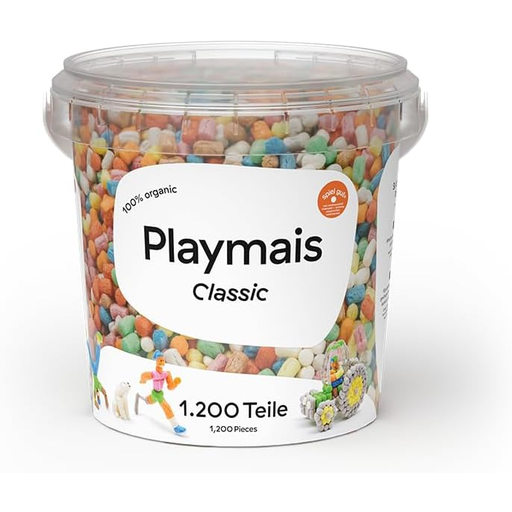
Why it's a great fit: This isn't a classic board game, but a creative crafting material for children ages 3 and up. It promotes fine motor skills and imagination without rigid rules, making it an excellent gift idea for preschoolers.
It avoids the trap of poor material quality. The building blocks are made from corn grits and water, are biodegradable, and stick together just by being moistened. There are no small, hard plastic parts.
Fosters creativity and motor skills with a safe, natural, and eco-friendly material that requires no glue.
We've compiled a complete, up-to-date list of products that fully meet these strict selection criteria and UK safety regulations.
To ensure the longevity of your games, you should store them lying flat in a dry, cool place. Avoid direct sunlight, as this can cause the colors to fade. Small components like dice, game pieces, or cards can be kept in resealable bags inside the box to prevent loss and clutter.
The benefit of educational games largely depends on the child's individual development. Simple games that teach colors, shapes, or picture matching can be beneficial for children as young as 2 or 3. Rule-based educational games that require counting or early reading are generally suitable from the age of 4 or 5. The most important thing is that the game is enjoyable for the child and does not overwhelm them.
A good travel game is characterized by several features: It should have compact packaging that fits easily into luggage. The components should be sturdy and ideally magnetic to prevent them from shifting during turbulence. A low number of small parts reduces the risk of losing something. Finally, a short game duration and quick setup are advantageous, allowing it to be played even during short waits.