What should different collectors look for?

Collectors with linked source files

If you link files to each game in your catalogue, first check that your software is compatible and find out how to preserve file paths when moving everything. LibreOffice explains that relative links to local files require the document and the target file to be on the same drive.

Collectors building a long-term archive

If you want to restore your catalogue and source files after a fault, consider how much storage you’ll need and plan for a separate backup. Germany’s Federal Office for Information Security recommends planning for recovery and testing it.

Collectors short on space

If desk space is limited, a mini PC could be a good fit. Check that the specific device has the ports you need for your monitor, peripherals and any external backup drive.

Key buying considerations for your catalogue and source files

Ready-to-use Windows mini PC

A good fit if: Your cataloguing software runs on Windows and you want a compact computer for your catalogue, browser and linked files.

The trade-off: Specifications and ports vary by configuration. A small case doesn’t automatically offer the internal expansion options you need.

Mac mini

A good fit if: Your specific cataloguing software and associated files work on macOS, and you want a compact Mac setup.

The trade-off: Check which ports you need and whether the SSD capacity you choose is sufficient for your catalogue and source files.

Expandable tower

A good fit if: You specifically plan to use internal drives or expansion cards for storage or other tasks.

The trade-off: A tower takes up more space. The number of available drive bays and slots depends on the specific model.

Mini PC barebone

A good fit if: You want to choose and install the memory, SSD and operating system yourself.

The trade-off: A kit may not include memory or a pre-installed operating system. Check what’s included and how much setup is required.

Buying criterion What to look for Who is this important to?
Software and file links Check operating system compatibility and test whether your catalogue and linked files will still be accessible after moving them. When I move my catalogue and source files, I want the links to keep working. Around 36% of consumers put working file links first.
Storage and backups Compare the size of your files with the SSD capacity; back up your catalogue and source files separately, and test that you can restore them. When preserving my collection matters to me, I want to be able to restore my catalogue and source files after a fault. Around 29% of consumers prioritise storage and recoverable backups.
Space and ports Check the space available, monitor connection and peripherals you need. If you’re planning to add internal drives, compare the expansion options too. When my workspace is short on room, I still need ports for my monitor and backup drive. Around 21% of consumers prioritise size and suitable ports.
What’s included and setup Check the operating system, memory, SSD and any accessories you need in the specific offer. When I want to start cataloguing as soon as possible, I want to know which components and devices still need setting up or adding. Around 14% of consumers prioritise readiness to use and what’s included.

Common buying and usage mistakes

  • Treating the internal SSD as your only backup

    An internal SSD and a separate backup serve different purposes. If your computer fails, a copy stored only on it may be inaccessible too.

    Plan a separate backup of your catalogue and source files, and test that you can restore both.

    You may need a separate backup device, as well as time to back up and restore your files.

  • Moving only the catalogue file when switching computers

    If the linked source files aren’t in the expected location, catalogue entries may point to nowhere. LibreOffice also notes that relative links to local files require the document and target to be on the same drive.

    Move your catalogue and associated files together, keeping the folder structure consistent, then test a few links.

  • Assuming a barebone is ready to use straight away

    ASUS distinguishes between NUC 14 Pro kits, which may not include memory or a pre-installed operating system, and fully configured options.

    Before choosing a kit, compare the full model name with the actual contents of the box.

    Depending on the version, you’ll also need to choose and install the memory, SSD and operating system.

  • Assuming a compact design means it has the right ports

    Mini PC configurations and optional ports vary. A smaller case alone tells you nothing about the connections you need or the options for internal expansion.

    Check your monitor, USB devices and planned drives against the specifications for the specific version.

    Depending on what’s included, you may need additional adapters or external devices.

Key brands at a glance

Lenovo

ThinkCentre includes compact Neo-50q models and the expandable M70t Gen 5 range.

  • For one Neo-50q Gen 5 configuration, Lenovo Germany lists Windows 11 Home, 24 GB RAM and a 512 GB SSD.
  • This example doesn’t include a keyboard or mouse. Check the expansion options for the specific M70t model; manufacturer specifications aren’t an independent performance assessment.

HP

The Pro Mini 400 G9 is a compact Windows desktop option.

  • For configuration 938A5EA#ABD, HP lists Windows 11 Pro, 8 GB RAM and a 256 GB SSD.
  • HP notes that specifications and components vary by configuration.

Apple

The Mac mini with M4 is a compact macOS option, provided it’s compatible with your chosen cataloguing software.

  • Apple lists 16 GB of unified memory and a 256 GB SSD as standard for the M4 version, with larger SSD options available.
  • These specifications don’t confirm that specific Windows cataloguing software will work on macOS.

ASUS

The NUC 14 Pro range includes mini PCs and kits with different contents.

  • ASUS distinguishes fully configured devices from kits that may not include memory or a pre-installed operating system.
  • Check the model name and what’s included together; manufacturer specifications aren’t an independent comparison test.

Dell

The OptiPlex Micro 7020 is a compact desktop range. Ports and service options vary by specific device.

  • Dell’s manual describes how to work on the SSD and memory, as well as optional I/O modules.
  • Optional modules aren’t automatically included with every device on offer.

Joybuy product selection

The Joybuy products below are all Mac mini desktop computers. They may suit you if your cataloguing software and source files work on macOS; also check that the SSD capacity of each model is right for your file archive.

Apple Mac mini M6 with 16 GB unified memory and 256 GB SSD

Apple Mac mini M6, 12-core CPU, 12-core GPU, 16 GB unified memory, 256 GB SSD

An option for a macOS setup, provided your cataloguing software and source files work with macOS.

16 GB unified memory, 256 GB SSD, Thunderbolt 4 and HDMI.

View at Joybuy
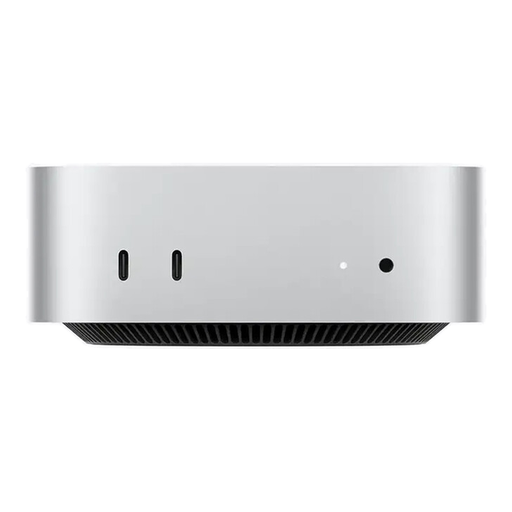
Apple Mac mini M6 with 16 GB unified memory and 512 GB SSD

Apple Mac mini M6, 12-core CPU, 12-core GPU, 16 GB unified memory, 512 GB SSD

An option for a macOS setup, provided your cataloguing software and source files work with macOS.

16 GB unified memory, 512 GB SSD, Thunderbolt 4 and HDMI.

View at Joybuy

Apple Mac mini M6 with 24 GB unified memory and 512 GB SSD

Apple Mac mini M6, 12-core CPU, 12-core GPU, 24 GB unified memory, 512 GB SSD

An option for a macOS setup, provided your cataloguing software and source files work with macOS.

24 GB unified memory, 512 GB SSD, Thunderbolt 4 and HDMI.

View at Joybuy
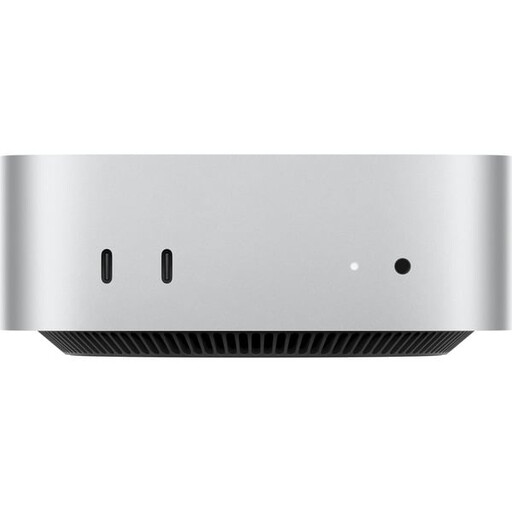
Apple Mac mini A3534 MHQL4_CTO_8 with 24 GB unified memory and 1 TB SSD

Apple Mac mini A3534 MHQL4_CTO_8, M6 12-core CPU, 12-core GPU, 24 GB unified memory, 1 TB SSD

An option for a macOS setup, provided your cataloguing software and source files work with macOS.

24 GB unified memory and 1 TB SSD.

View at Joybuy

Apple Mac mini MHQN4ZD/A_CTO with M5 Pro, 24 GB unified memory and 512 GB SSD

Apple Mac mini MHQN4ZD/A_CTO, M5 Pro, 18-core CPU, 20-core GPU, 24 GB unified memory, 512 GB SSD

An option for a macOS setup, provided your cataloguing software and source files work with macOS.

24 GB unified memory, 512 GB SSD and 2.5 Gbps Ethernet.

View at Joybuy

Frequently asked questions

How do I set up links to source files?

Start by creating a clear folder structure, then test whether your cataloguing software can open a linked file. In LibreOffice, relative links to local files require the document and target file to be on the same drive. Before switching computers, try moving your catalogue and files together.

Is it enough to back up just the catalogue file?

No, not if catalogue entries point to separately stored source files. Back up those files too, and check that you can restore both. Germany’s Federal Office for Information Security recommends making backups and notes that you should test whether they can be restored.

Does a mini PC come with everything you need to get started?

Not necessarily; what’s included depends on the specific configuration. One Lenovo configuration, for example, doesn’t include a keyboard or mouse. ASUS offers NUC 14 Pro kits that may not include memory or a pre-installed operating system. So check the full model name and the components included.

What statutory rights apply when buying a PC online in Germany?

For online purchases by consumers, you generally have a right to cancel, subject to statutory exceptions. The Verbraucherzentrale usually gives a period of 14 days from receipt of the goods. For claims relating to defects in movable goods, § 438 BGB generally provides for a limitation period of two years from delivery. Statutory liability for defects is separate from a voluntary guarantee.

Is an older Windows 10 PC still an equally supported option?

Not without checking its support status: according to Microsoft, standard support for Windows 10 ended on 14 October 2025. Microsoft lists an Extended Security Updates programme for eligible consumer devices until 12 October 2027. Check the eligibility requirements for the specific device rather than assuming it will receive standard security updates.