
Lieferung heute & morgen

Qualitätsgarantie

Willkommens-Angebote freischalten: KOSTENLOSE Lieferung | Bis zu 80 % RABATT | Kostenlose 30-Tage-JoyPlus-Testphase
App herunterladen
Board games and toys should suit the age group, the time available and the size of the group. In practice, unclear age recommendations, missing information about the scope of a game or an unsuitable level of difficulty often lead to disappointing purchases. A game can be well made and still see little use in family life if the rules are too long, the pieces are too small or the rounds go on for too long.
“From 6 years” or “from 12 years” provides guidance, but it does not replace looking at how the game is actually played. A child may have the necessary reading ability but still struggle with long waiting times or complex strategies. For games for ages 8 and up, parents should also check whether they involve lots of text, time pressure or tactical planning.
A game for 2 to 8 people is not automatically suitable for every family gathering. Some family board games play differently with two people than with a larger group. Card games such as UNO are flexible, while some cooperative board games require a particular group size for the intended gameplay.
Small game pieces need to be stored safely and should be kept out of the hands of children under three. Music games such as HITSTER also require a smartphone, an app and a Spotify account. For travel games, a compact format and straightforward set-up are more important. These details affect whether a product will be used regularly.
Look for the recommended age limit, warning notices and the size of individual components. Puzzles for children with 24 or 48 pieces may be more manageable for younger beginners than larger puzzles containing many small pieces. With educational toys and creative building sets, the way they are handled should match the child’s fine motor skills.
The label “not suitable for children under three years” often indicates small parts that could be swallowed. It should be observed regardless of whether the child is already confident when playing with toys.
Before buying, it is worth running through this simple checklist:
Strategy games such as “The White Castle” or “Ticket to Ride: Europe” are aimed at players who enjoy longer rounds and planning-intensive gameplay. For spontaneous family games, quick card games or shorter children’s games are a better choice.
Playing cards and game boards made from paper or card should be stored in a dry place and cleaned only with a soft, dry cloth. Metal boxes can make puzzle sets easier to store. With electronic games such as Simon Classic, check the battery type and battery compartment. You should also make sure that all the pieces can be put back away after playing. Well-organised storage helps prevent components from going missing and makes the next set-up easier.
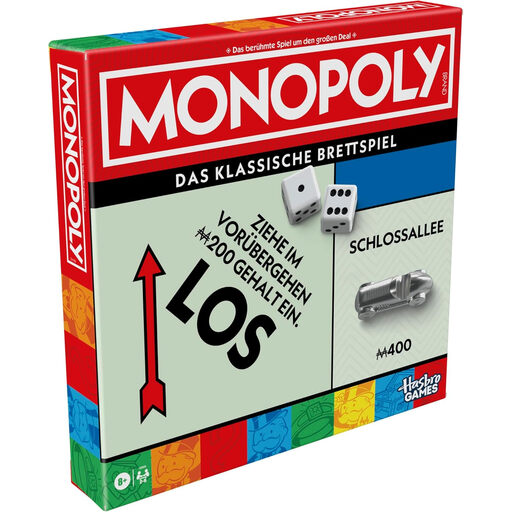
Why this product suits this profile: For families looking for a familiar board game with a clear objective and a flexible number of players. This edition is designed for 2 to 8 people aged 8 and over.
The integrated storage compartment with lid helps keep the money, cards and playing pieces neatly organised.
2 to 8 players, 8 larger metal playing pieces and no batteries required.
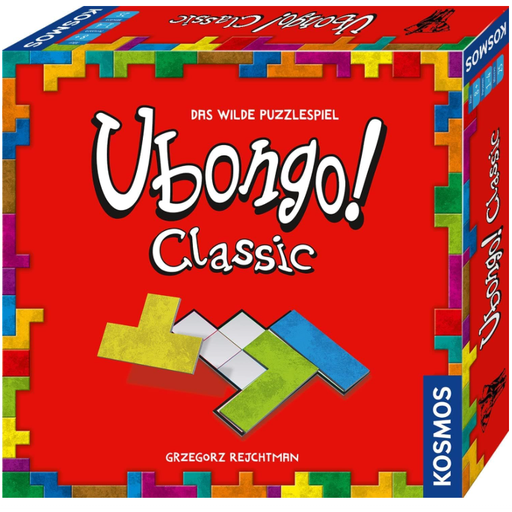
Why this product suits this profile: A great option for families and adults who want to play simultaneously while solving spatial puzzles. The game is designed for 1 to 4 people aged 8 and over.
The product details specify two levels of difficulty and 648 puzzles. This means you can adjust the challenge within the same game.
1 to 4 players, two levels of difficulty and an optional explanation app.
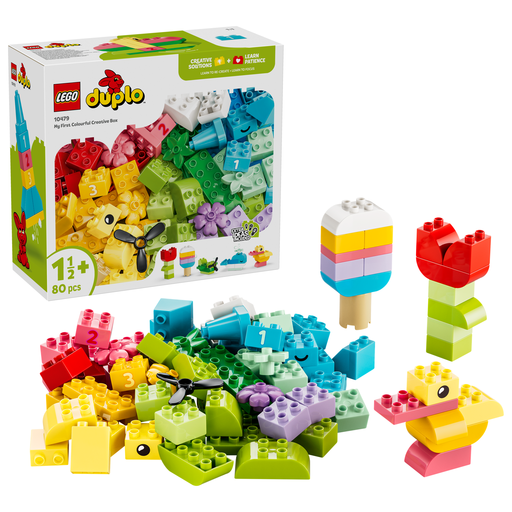
Why this product suits this profile: This creative building set is designed for toddlers aged 18 months and over. It includes 80 colourful pieces for free building and simple construction ideas.
The recommended age and number of pieces are clearly stated. This makes it easier to judge whether the set’s size and handling are suitable for the intended age group.
80 pieces, large age-appropriate building bricks and ideas for creating first models.

Why this product suits this profile: For 1 to 4 players aged 6 and over, when making decisions together matters more than individual victory.
The cooperative format prevents a younger child from having to compete constantly against more experienced players.
Rotating game board, dice and event cards; no batteries required.
For short rounds, card games such as UNO or quick party games are ideal. Teenagers and adults may prefer music games with app connectivity or adult games for several players. If you want to play while travelling, look for compact dimensions, a fully enclosed storage system and just a few loose pieces.
For children aged 4 and over, simple puzzle sets with clear images are a good choice. Games for ages 6 and up should have easy-to-understand rules and straightforward gameplay. Games for ages 12 and up can feature more complex strategies, but the playing time should still suit how you plan to use the game.
We have put together a complete, regularly updated list of products that fully meet these strict selection criteria and the safety regulations applicable in the EU.
Look for a flexible number of players, short rules and an adjustable level of difficulty. Cooperative board games can work well for mixed-age groups because everyone makes decisions together. With more complex strategy games, an adult can guide the first round.
Store cardboard, cards and puzzle pieces in a dry place, protected from direct sunlight. A built-in compartment, metal box or resealable bags can help keep the components together. Do not use liquid cleaning products on paper or cardboard pieces.
The packed size, weight, number of individual pieces and whether the game can be closed securely are all important. If there are digital features, you will also need a compatible smartphone, the relevant app and, where necessary, an internet connection.