
Lieferung heute & morgen

Qualitätsgarantie

Willkommens-Angebote freischalten: KOSTENLOSE Lieferung | Bis zu 80 % RABATT | Kostenlose 30-Tage-JoyPlus-Testphase
App herunterladen
The market for board games is vast and diverse. From strategic board games for two people to lively party games for large groups, the sheer number of options can be overwhelming. Unfortunately, this often leads to bad purchases: games that gather dust on the shelf after one playthrough or are completely unsuitable for your planned game night. As your Joybuy Product Recommendation Officer, I'm here to help you avoid the common pitfalls and make an informed decision.
Before we get to the recommendations, it's important to understand the three most common reasons for disappointing game purchases:
To avoid these traps, you should check three objective criteria before buying. You can usually find this information on the game's box or in the product description.
These are the most fundamental parameters. Check the specified player count and compare it with your typical gaming group. A game for "2–4 players" is unsuitable for a party of eight. The game length is just as important. A game that lasts 90 minutes or more is a poor choice for a short, spontaneous family game night, but it's perfect for a planned weekend event.
The mechanics define how the game feels to play. The following categories offer a general guide:
A useful seal of quality is the "Spiel des Jahres" award. It is given to games with particularly accessible and original mechanics that appeal to a broad audience.
The age rating is more than just a safety recommendation. It gives an indication of the rules' complexity and the cognitive demands. A children's game for ages 4 and up should be designed so that a child of that age can not only understand the rules but also actively and joyfully participate. The game's theme is also crucial for enjoyment. Whether it's a fantasy adventure, an economic simulation, or a crime mystery, the theme should align with the players' interests.
Here are some recommendations tailored to different needs and occasions, taking the above criteria into account.
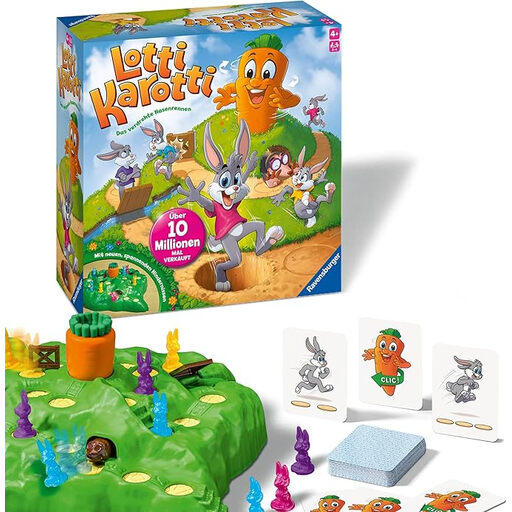
Why This Fits Their Persona: Ideal for families looking for a quick, fun, and easy-to-understand game. The rules can be explained in two minutes, and the game length of about 20 minutes won't overwhelm even the youngest players.
The game is perfectly tailored to its target audience of children's games for ages 4 and up, avoiding the audience mismatch pitfall. The high luck factor and surprise elements ensure great replayability, steering clear of the 'one-and-done' trap.
Simple rules and an exciting mechanism (suddenly appearing holes) that kids love. It helps develop an early understanding of rules and how to handle setbacks.
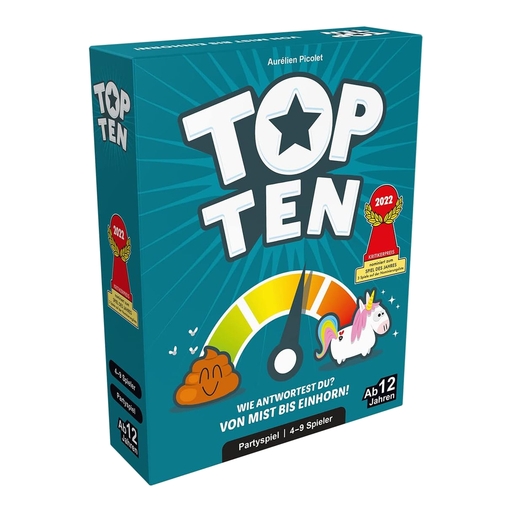
Why This Fits Their Persona: Perfect for groups (4-9 players) looking for a communicative and creative game. It's a great icebreaker, is guaranteed to generate laughs, and requires no strategic depth, making it ideal for mixed groups.
As a cooperative party game, it is designed precisely for this occasion. The replay value is enormous because the answers and topics are always new and different. There are no hidden requirements.
Encourages team communication and creativity. Its nomination for the Spiel des Jahres in 2022 is a clear sign of its outstanding game concept and quality.
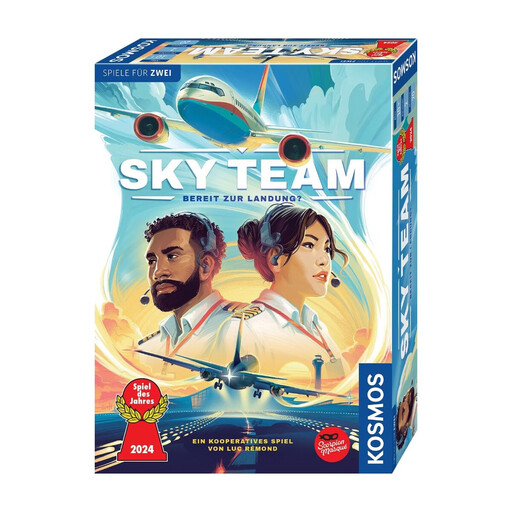
Why This Fits Their Persona: Couples or friends looking for an intense, cooperative challenge will find their perfect match here. It is designed exclusively for two players and requires precise coordination and strategic play.
As a pure two-player strategy game, it is perfectly tailored to its niche. The 21 different scenarios offer immense replayability, preventing it from becoming dull after just a few games.
A unique cooperative experience due to limited communication, which heightens the tension. As the winner of the Spiel des Jahres award in 2024, it represents outstanding quality and fun.
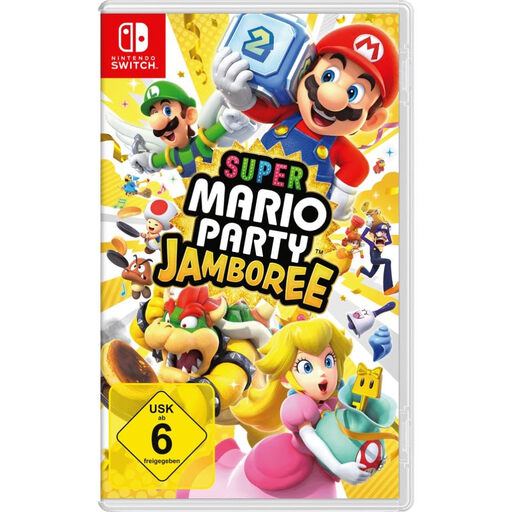
Why This Fits Their Persona: Perfect for anyone who wants to combine the classic board game feel with interactive video games. It's suitable for families and friends who already own a Nintendo Switch and are looking for varied entertainment.
The requirement (a Nintendo Switch console) is clear. With over 110 mini-games and seven game boards, it effectively avoids the "one-and-done" trap. The online mode for up to 20 players adds another dimension.
An enormous variety of content and game modes. It's one of the few Nintendo Switch games that bridges the gap between classic board games and digital party games.
We have compiled a complete, real-time list of products that fully satisfy these strict selection criteria and UK safety regulations.
1. What does the "Spiel des Jahres" award mean? The "Spiel des Jahres" is the most prestigious critic's award for board games in the German-speaking world. A jury of independent game critics annually honours games in the "Spiel des Jahres" (Game of the Year), "Kinderspiel des Jahres" (Children's Game of the Year), and "Kennerspiel des Jahres" (Connoisseur's/Expert Game of the Year) categories. The award is considered a reliable seal of quality for games that feature an original idea, clear rules, and high entertainment value for a broad audience.
2. How do I find a good board game for just two players? Look specifically for games that were explicitly designed for two people, rather than those that just have a two-player option. These often offer deeper strategic interaction. Search for terms like "2-player game" or "duel game." Titles like Kosmos Targi or the award-winning Sky Team are examples of outstanding two-player strategy games that guarantee a balanced and exciting experience.
3. Can you play party games with just a few people? It really depends on the game. Many party games are optimised for larger groups (often 4+ players) and only reach their full potential then. Always check the minimum player count listed on the box. Some games, such as certain card games or cooperative titles like Top Ten, work well even in smaller groups, while others lose their appeal. For three players, you can often find great alternatives in the family games category.