
Lieferung heute & morgen

Qualitätsgarantie

Willkommens-Angebote freischalten: KOSTENLOSE Lieferung | Bis zu 80 % RABATT | Kostenlose 30-Tage-JoyPlus-Testphase
App herunterladen
The market for board games is diverse and constantly growing. Whether for a cosy game night with family, a large gathering with friends, or a strategic challenge, the sheer number of options can be overwhelming. But not every game that looks promising delivers on its potential. As your Joybuy Product Recommendation Officer, I'm here to help you navigate common purchasing pitfalls and find the perfect game for your needs.
Many buyers are swayed by attractive packaging or marketing claims that later prove to be inaccurate. Pay attention to these three points to avoid disappointment.
To find the right board game, you should focus on more than just the theme or design. The following three parameters are critical for a successful gaming experience.
These three factors are inextricably linked. A player count of "2–6 players" on the box doesn't mean the game works equally well with every group size. Some strategy games only reach their full potential with a specific number of players. The age rating is more than just a safety recommendation; it provides a key indicator of the required concentration and strategic understanding. Consider who is in your typical gaming group: are you looking for family games for the afternoon or complex adult games for the evening?
The stated game length is a key indicator of whether a game fits your planned occasion. For a casual evening with guests coming and going, party games with short rounds of 15 to 30 minutes are ideal. In contrast, an epic strategy game can take several hours and requires a dedicated group. Complexity can often be gauged by the number of components and the length of the rulebook. Games from brands like Kosmos Games often provide reliable estimates.
High replayability ensures a game won't gather dust on the shelf after just a few plays. Features like a variable setup (e.g., modular boards), different paths to victory, or expansion options are crucial here. Pay attention to component quality: sturdy game boards, thick cardstock, and solid game pieces made of wood or high-quality plastic are signs of durability and often justify a higher price.
Here are some recommendations tailored to different needs and occasions.
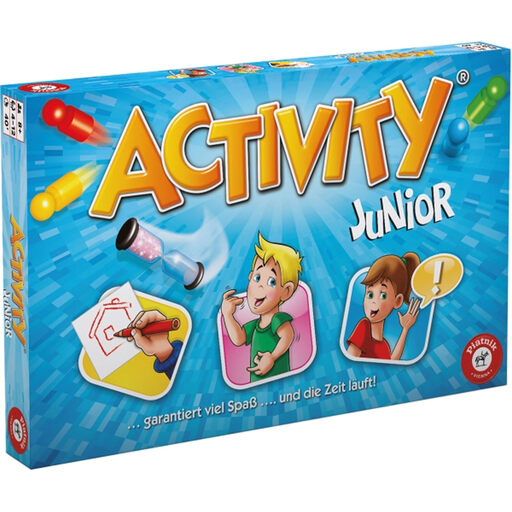
Why it's a great fit: Perfect for families with children aged 8 and up. It encourages creativity and communication as players draw, describe, or act out words. The high player count makes it ideal for birthday parties or when friends are over.
It bypasses the "Complexity Shock." The gameplay is intuitive and requires almost no explanation, so the fun can start immediately.
Actively promotes communication skills and team spirit. Suitable for large groups of 4 to 12 players.

Why it's a great fit: Catan is a modern classic that offers a balanced mix of strategy and luck. Players must gather resources, trade, and invest wisely to win. It's perfect for players who appreciate tactical planning and interaction.
It solves the problem of low replayability. Thanks to the modular board, no two games are the same, ensuring long-lasting fun.
High replay value due to a variable setup and a great blend of strategic depth and accessible rules.
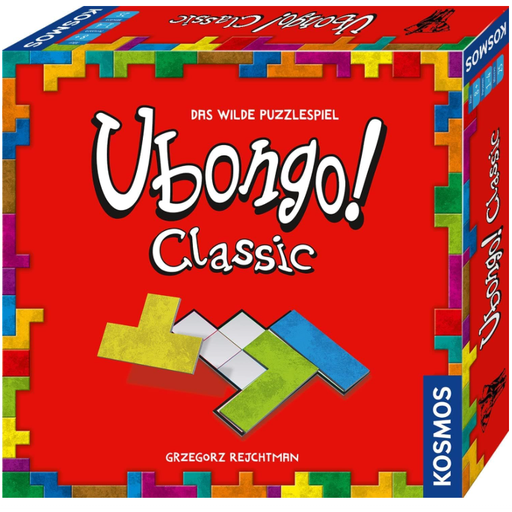
Why it's a great fit: Ubongo is a fast-paced puzzle game where everyone plays simultaneously. This prevents long waits and keeps the group's energy high. It's perfect for parties or as a quick game in between activities.
It avoids the "For the Whole Family" trap by offering two difficulty levels. This allows experienced players and beginners to compete fairly.
Simultaneous play keeps all participants engaged and entertained. Playfully promotes logical thinking and spatial reasoning.
We have compiled a complete, up-to-date list of products that fully meet these strict selection criteria and German safety regulations.
1. What makes a good family game? A good family game features simple, easy-to-learn rules, a reasonable playtime (typically under 60 minutes), and a mechanic that is engaging for both children and adults. It should encourage interaction and have low frustration potential for younger players.
2. Are more expensive board games always better quality? Not necessarily. A higher price can be due to expensive licensing (e.g., movie themes), a large number of miniatures, or electronic components. The actual quality of the board or cards doesn't always correlate directly with the price. It's wise to check the component description and the product's weight, as these can indicate the sturdiness of the materials.
3. How can I tell if a game is right for my group before buying it? Carefully read the core parameters on the box: player count, recommended age, and estimated playtime. Look for short video tutorials or reviews online that demonstrate the gameplay. This will give you a much better sense of the complexity and feel of the game than the description on the box alone.