
Lieferung heute & morgen

Qualitätsgarantie

Willkommens-Angebote freischalten: KOSTENLOSE Lieferung | Bis zu 80 % RABATT | Kostenlose 30-Tage-JoyPlus-Testphase
App herunterladen
Board games should suit the age of the players, the size of the group and the time you have available. Yet product descriptions can still lead to disappointing purchases: a game may look suitable for the whole family on the box, but be too complicated for younger children. Another may promise quick rounds, but require lengthy explanations or lots of extra equipment.
That’s why Joybuy’s Product Recommendation Officer looks at clear, practical criteria rather than marketing promises. These are three of the most common buying pitfalls:
The recommended age isn’t just an indication of difficulty. It can also flag small parts and a potential choking hazard. Games with small parts are generally not suitable for children under three. With younger children, an adult should join them for the first round and check that all the pieces are put away after play.
For games for children and games for ages 6 and up, simple rules, clear objectives and manageable rounds are often useful selection criteria. Games for ages 8 and up often introduce tactical decisions. Games for ages 10 and up may involve more complex strategies, puzzles or longer periods of concentration.
The stated player count is a key factor. Board games for 2 to 10 players suit different occasions from a cooperative game for two. Board games for 2 to 4 players are often a good choice for a relaxed family evening. For a party, card games or party games that keep everyone involved and waiting times short may be a better fit.
Also check whether everyone plays at the same time or has to wait for their turn. In a large group, games with long individual turns can quickly become confusing.
A playing time of ‘15 minutes’ usually refers to a single round. Playing several rounds, reading the instructions and sorting the cards will add to your games evening. For board games, the quality of the box, storage and the amount of table space you’ll need are also worth considering.
Depending on the edition, music games such as Hitster may need a mobile phone, an app, an internet connection or a streaming service. Before you buy, check that you have everything you need at home. Games that don’t need batteries or an app are usually easier to take with you, while digital features can add a different kind of gameplay.
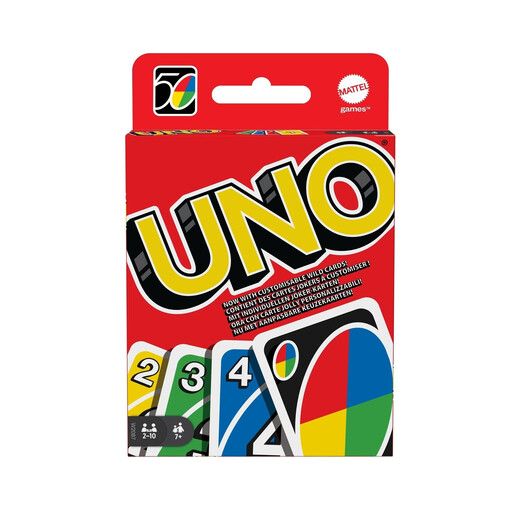
Why this product suits this profile: A great choice for families and groups looking for an easy-to-learn card game with a flexible player count. It’s designed for 2 to 10 players aged 7 and up.
The player count and age guidance are clearly stated. No batteries or app are needed.
112 cards, colour and number combinations, and action cards make it easy to get started.
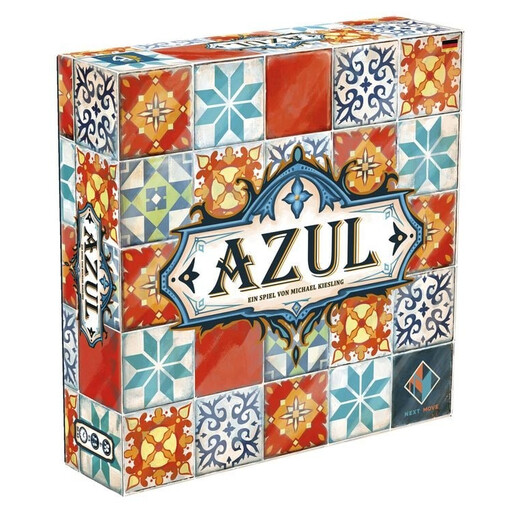
Why this product suits this profile: Azul is designed for 2 to 4 players aged 8 and up. It’s a structured board game with tactical choices and a stated playing time of 30 to 45 minutes.
The player count, age range and playing time are all clearly stated, making it easier to plan a games evening.
The game centres on selecting and placing coloured tiles, and doesn’t require batteries.

Why this product suits this profile: This cooperative strategy game is designed for exactly 2 players aged 10 and up, making it a good choice for couples, siblings or a parent and child.
It’s clear who the game is for. If you’re looking for a big family game, you’ll immediately see that this one is designed for two players.
21 airport scenarios offer a variety of challenges, while placing the dice calls for teamwork and planning.

Why this product suits this profile: A fun pick for parties and games nights with up to 10 players. This edition is intended for teenagers and adults, combining music, memory and categories.
The technical requirements are made clear: playing the music may require a mobile phone, Spotify and three AAA batteries.
225 music cards and a bingo-style winning condition keep the whole group involved at the same time.
We’ve put together a complete, regularly updated list of products that meet these strict selection criteria and the safety regulations in force in the EU.
Choose with the youngest player in mind. For children aged 6 and up, simple cooperative games or quick card games are worth considering. For ages 8 and up, tactical board games such as Azul or straightforward strategy games may be a good fit. Always follow the manufacturer’s specific age recommendation.
It depends on the size of your group and how often you play. A practical selection could include a quick card game, a family game for longer sessions and a game for two players. That gives you a choice of formats for both spontaneous and planned games nights.
Check the player count, playing time, language edition and any technical requirements. Party games for 8 to 10 players are a good option for large groups. Before buying a music game, check whether you’ll need a mobile phone, an app, a streaming account or batteries.