
Lieferung heute & morgen

Qualitätsgarantie

Willkommens-Angebote freischalten: KOSTENLOSE Lieferung | Bis zu 80 % RABATT | Kostenlose 30-Tage-JoyPlus-Testphase
App herunterladen
Board games for children aged 6 and over should be age-appropriate, easy to understand and suitable for the intended group size. In practice, however, eye-catching packaging or familiar characters do not necessarily lead to the right purchase. Clear details about age suitability, playing time, materials and game mechanics are much more useful.
Before buying games for children aged 6 and over, parents, grandparents and families should pay particular attention to three common pitfalls:
The age recommendation is an important starting point, but it should not be the only deciding factor. A simple card game with short rounds is often ideal for an impromptu family game night. A strategy game with several phases, on the other hand, takes more time and may require an introduction.
Look out for:
With board games for children, it is also worth considering whether set-up is quick or whether lots of tiles and cards need to be sorted.
Not every child enjoys playing against others. Co-operative games for children offer a shared objective that the group works towards together. This can be helpful when younger and older children are playing together or when competitive situations are best avoided.
Other children may prefer:
The game mechanics should suit the occasion. For a birthday party with lots of guests, games for four or more players are practical. For a train journey or a visit to a restaurant, small card or travel games are generally easier to pack away.
Cards and game boards are often made from printed cardboard, while playing pieces and counters may be made of plastic. It is important that all components are stored together and kept dry after playing. A sturdy box or travel pouch reduces the risk of accessories being lost.
Check the following before buying:
The manufacturer’s safety information takes priority. Several products in this selection include warnings about small parts and use under supervision.
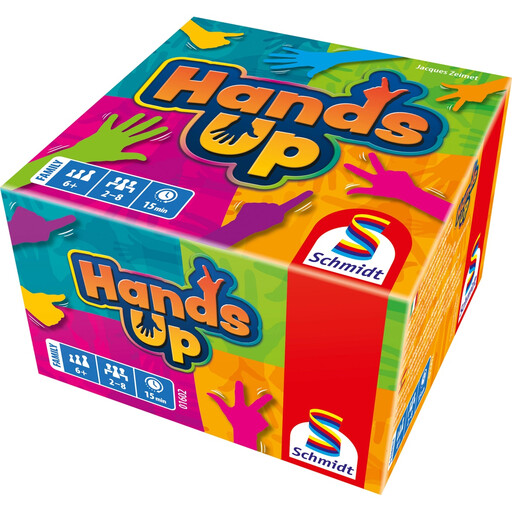
Why this product suits this profile: This card game is designed for children aged 6 and over, requires no batteries and comes in a compact box measuring 10 × 10 × 6,8 cm.
The card-based format keeps set-up simple and is suitable for short rounds, without requiring a large amount of equipment.
Durable cardboard cards, no batteries and a handy format for a game night at home.

Why this product suits this profile: This board game is designed for 2–4 players aged 6 and over, offering a child-friendly introduction to resources, trading and planning.
The junior rules are specifically designed with younger players in mind. Adult support is recommended for the initial set-up and explanation of the rules.
A pirate-themed game board, simplified trading rules and a clear flow of play, with the aim of building seven hideouts.
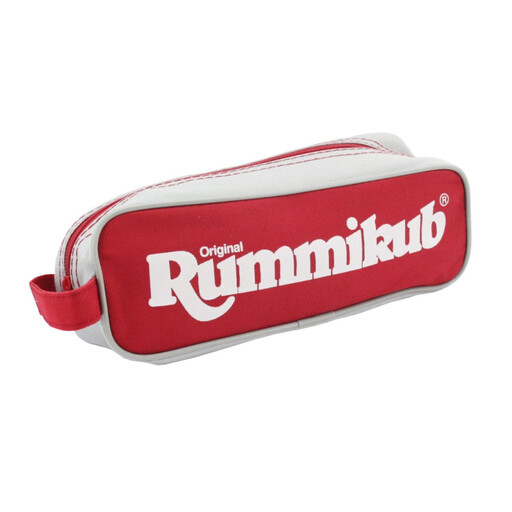
Why this product suits this profile: This game is designed for 2–4 players aged 7 and over and comes with a fabric pouch for storage. That makes it suitable for travel, visits and regular use.
The travel pouch solves a common storage problem and keeps the playing pieces together while you are on the move.
A compact transport solution, German-language product information and combinations of number sequences and groups.

Why this product suits this profile: This co-operative board game is designed for 1–4 players aged 6 and over. The group works towards a shared objective and uses a rotating game board.
The shared winning condition prevents one child with considerably more gaming experience from automatically competing against everyone else.
Co-operative gameplay, a rotating game board and no batteries required. Small parts require care around younger siblings.
We have put together a complete, regularly updated list of products that fully meet these strict selection criteria and the safety regulations applicable in the EU.
That depends on the group size and the preferred playing time. For short rounds, card games such as Hands Up! are a good option. Families who enjoy planning together can choose a co-operative game. For longer game nights, board games involving resources, trading or collecting are ideal.
Their lifespan depends on the materials, storage and how they are handled. Cards and cardboard components should be stored in a dry place and not bent. Putting everything away after each round helps prevent components from going missing. With games containing small plastic parts, damaged pieces should not be used again.
Yes, provided the age range, number of players and the child’s interests are a good match. For a birthday or Christmas present, you should also consider the language, storage space required and playing time. A compact card game is better suited to spontaneous use, while a game collection offers several variations for different family occasions.