
Lieferung heute & morgen

Qualitätsgarantie

Willkommens-Angebote freischalten: KOSTENLOSE Lieferung | Bis zu 80 % RABATT | Kostenlose 30-Tage-JoyPlus-Testphase
App herunterladen
Board games for children and adults should suit your group, the players’ ages and the time you have available. In practice, though, people often buy based on familiar names, eye-catching packaging or the assumption that a game with lots of content must be a good choice. This can lead to picking a game that’s too complicated, too quick to finish or unsuitable for the number of people playing.
‘Ages 8+’ is a useful guide, but it doesn’t tell you everything about how the game plays. A strategy game with lots of rules can be far more challenging for an eight-year-old than a simple card game for the same age group. You should also check for small parts and potential choking hazards. Games containing small parts should be kept away from children under three.
A game for two to eight players won’t necessarily be equally enjoyable with every group size. Some board games work particularly well with three or four players, while cooperative games may be designed for two. If you play with your family regularly, consider the size of your usual group rather than just the maximum number of players.
A short rules explanation tells you little about how long a game actually takes. According to its product description, Ticket to Ride: Europe takes around five minutes to explain, but a game lasts about 45 minutes or longer. Compact card games or travel games are often a better choice for a shorter games night.
Before buying, check:
Take extra care with magnetic building blocks. Swallowed magnets can cause serious injuries. Check sets regularly for cracks, loose parts and exposed magnets. After playing, make sure you collect all small parts from jigsaw puzzles and traditional board games too.
These three simple questions can help you choose:
Card games such as UNO or Monopoly Deal are well suited to quick rounds. Strategy games such as Azul or Ticket to Ride: Europe need more time and concentration. Cooperative games such as Sky Team or EXIT – The Game, on the other hand, focus on making decisions and solving puzzles together.
The language a game is played in matters for children and people new to board games. A German edition makes it easier to get started, particularly when the cards include tasks or place names. For children’s learning games, a solo mode, different difficulty levels and easy-to-understand tasks can also be important.
For travel games, compact dimensions and secure storage are key. IQ-Puzzler PRO, for example, includes 120 challenges across several game modes. A traditional jigsaw puzzle for younger children, on the other hand, should have an age-appropriate number of pieces and a clear picture to follow.
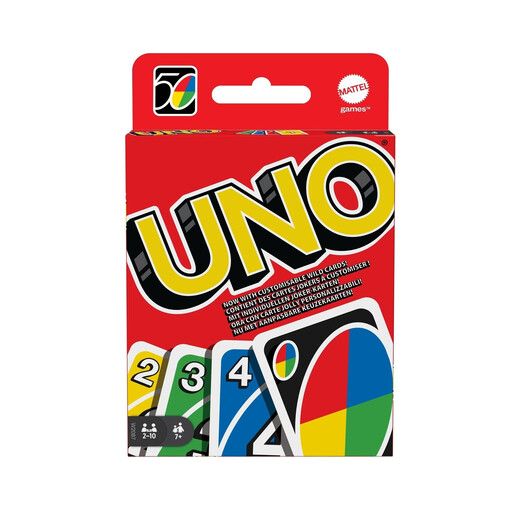
Why this product suits this profile: This card game is designed for 2 to 10 players aged 7 and over, and doesn’t require batteries. The rules are based on matching colours or numbers.
The player count and quick, card-based format are clearly stated. This makes it easier to plan for family games and spontaneous games nights.
112 cards, 2–10 players and special cards such as Skip, Reverse and Draw Two.
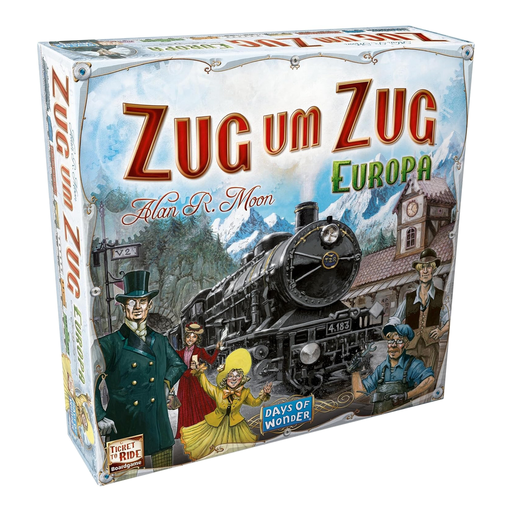
Why this product suits this profile: The German edition combines route-building, destination tickets and strategic planning for 2–5 players aged 8 and over. Games last around 45 minutes or longer.
The product details include the player count, age recommendation, materials and approximate playing time. This helps buyers get a realistic idea of the space and time needed.
2–5 players, a German edition and a game board featuring European cities.
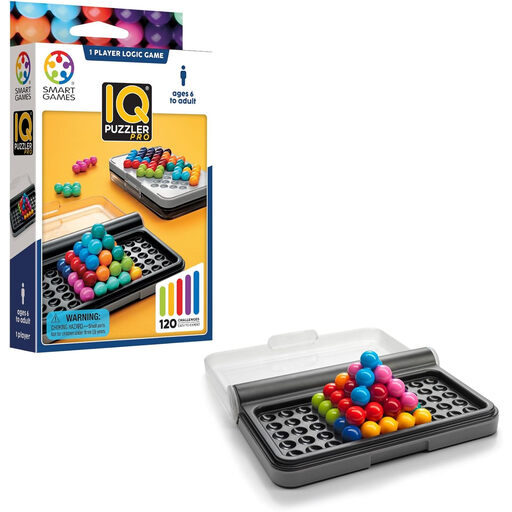
Why this product suits this profile: This compact solo game for ages 6 and over is ideal for travel, waiting times and quiet moments at home.
You don’t need a large group to play. The 120 challenges and three game modes offer plenty of variety.
Solo play, 120 challenges, and 2D and 3D puzzles in a compact format.
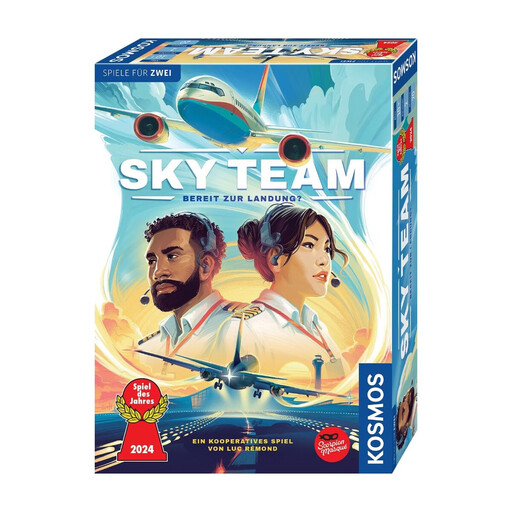
Why this product suits this profile: This cooperative strategy game is designed for exactly two players aged 10 and over. The pilot and co-pilot must work together to use their dice to land the plane.
The fixed player count avoids any mistaken expectations about large family games. The 21 airport scenarios offer a range of different challenges.
Cooperative two-player mode and 21 scenarios, each with different challenges.
We’ve put together a complete, regularly updated list of products that meet these strict selection criteria and fully comply with the safety regulations in force in the EU.
Card games with simple basic rules and few special mechanics are often a good place to start. For longer games, consider family games with clear instructions and a moderate playing time. Before you buy, check that the age recommendation, player count and warnings match your family’s needs.
A game’s lifespan depends mainly on its materials, how it’s stored and how it’s handled. Store cards and game boards somewhere dry and out of direct sunlight. Cardboard components shouldn’t be cleaned with water. Keeping everything together in trays or bags helps prevent pieces from going missing.
For children aged 3 and over, age-appropriate construction games without unsecured small parts may be a good option. From age 6, you could consider solo puzzles, simple strategy games or magnetic building blocks. For children aged 8 and over, quick card games, family games and cooperative puzzle games are all possibilities. The child’s age and interests, the number of players and the product’s safety information should always guide your choice.