
Lieferung heute & morgen

Qualitätsgarantie

Willkommens-Angebote freischalten: KOSTENLOSE Lieferung | Bis zu 80 % RABATT | Kostenlose 30-Tage-JoyPlus-Testphase
App herunterladen
Board games for children and adults need to suit the age group, number of players and time available. In practice, however, it often turns out that a game looks versatile on the box but rarely gets used in everyday family life. Parents, grandparents and board game beginners should therefore not only focus on well-known names or eye-catching designs.
The label “ages 8 and up” is a guideline, not a guarantee of how every family will experience the game. A game with lots of rules can be too challenging for younger children, even if the age recommendation seems right. Conversely, a very simple game can quickly lose its appeal for teenagers and adults.
So, alongside the age, also check the difficulty level, the concentration required and whether adults will be actively playing or simply explaining the rules.
A game designed for two to eight people doesn’t necessarily work equally well with every combination. With some board games, playing with two people creates short, strategic rounds, while the maximum number of players leads to longer waiting times. For party games, on the other hand, a larger group often works better.
So pay attention to the recommended number of players, the average playing time and whether individuals or teams play.
Card games and board games are often used over a long period. A lack of sorting options, thin cards or small, easily lost pieces can make them harder to use. For games aimed at children under three, there is also a higher risk from small parts that could be swallowed.
Practical features include sturdy boxes, clearly organised game components and clear instructions for cleaning and storage. For travel, compact formats or games with a foldable board are ideal.
The age recommendation should match the child’s ability to play independently. For small parts, the age and safety labelling is especially important. Many products are not suitable for children under three, even if older children can play with them.
For board games for ages 8 and up, such as Azul, Rummikub or Ticket to Ride Europe, parents should also check whether the child can confidently recognise numbers, colours, sequences or make tactical decisions.
For a short games evening, rounds of about 15 to 30 minutes are practical. According to the product description, Rummikub is designed for 2 to 4 players and takes roughly 20 minutes per round. Longer games like Ticket to Ride Europe can take 45 minutes or more, according to the manufacturer.
For families with a changing number of participants, games that work well with both two players and a larger group are ideal. If you regularly have guests, you should favour party games that accommodate at least six players.
Think about what type of activity suits your group:
When checking materials, cardboard thickness, plastic quality, size of the playing pieces and storage are all relevant. Keep liquids away from paper and cardboard components. Storing games in a dry place helps prevent warping.
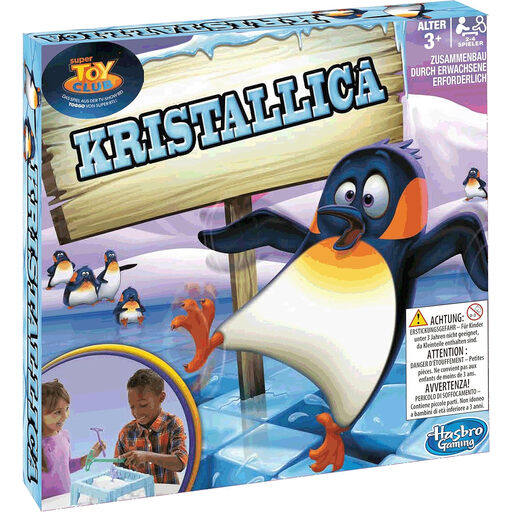
Why this product fits the profile: According to the product description, the game is suitable for children aged 3 and up and for 2 to 4 players. The rules are simple and it works well for first shared game rounds with preschool children.
The age recommendation, number of players and simple setup are clearly stated. This makes it easier to judge whether the game is suitable for short family rounds.
2 to 4 players, simple rules and a focus on carefully removing game pieces.
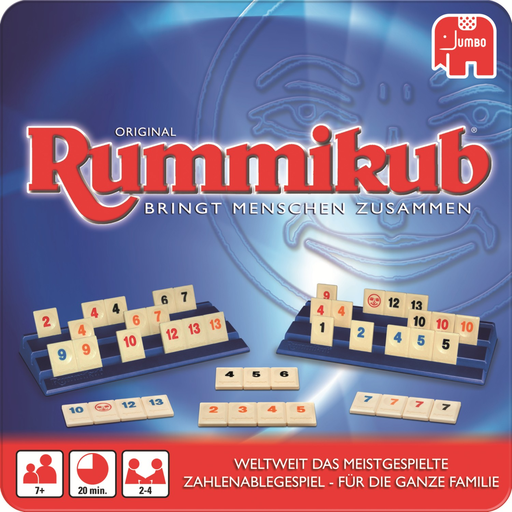
Why this product fits the profile: Rummikub combines number combinations with strategic decisions and is designed for 2 to 4 players aged 8 and up. The plastic tiles and racks are built for repeated use.
The specific number of players and approximate playing time prevent unclear planning. The metal tin supports tidy storage.
106 plastic tiles, 4 racks, German language version and a stated playing time of approximately 20 minutes.
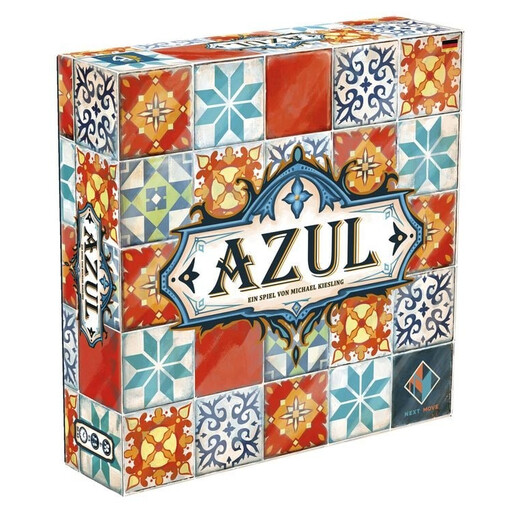
Why this product fits the profile: Azul is designed for 2 to 4 players aged 8 and up and combines colour selection, pattern building and point planning. The stated playing time is around 30 to 45 minutes.
The limited number of players and clearly stated playing time help you choose a game that fits your planned games evening.
German edition, tactical selection of playing tiles and a game board with a straightforward setup.
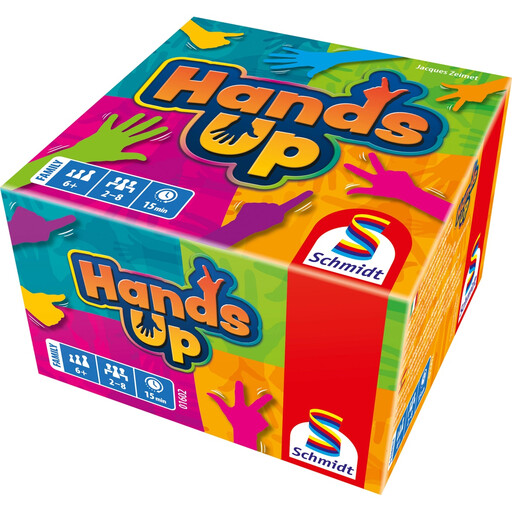
Why this product fits the profile: According to the product details, this compact card game is suitable for ages 6 and up and can easily be taken along to a family evening or a visit.
The compact box and sturdy cards are designed for straightforward, repeated game rounds without extensive setup.
Compact dimensions of 10 × 10 × 6.8 cm, no batteries required and an age recommendation of 6 and up.
We have put together a complete, regularly updated list of products that fully meet these strict selection criteria and the safety regulations in force in the EU.
Games with clear rules, a limited playing time and an age recommendation that matches the youngest player are ideal. According to the product description, Kristallica is aimed at children aged 3 and up. For older children and adults, Rummikub, Azul or Ticket to Ride Europe for ages 8 and up are good options.
The lifespan depends on the quality of the cards and playing pieces, how they are stored and how they are handled around liquids. Plastic parts are generally more durable than paper components. Storing games in a dry place, sorting everything fully after each round and cleaning according to the manufacturer’s instructions can help extend their life.
For a gift, the age, number of players and interests should all match. Card games are space-saving and great for travel. Strategy games like Azul or Rummikub suit families who enjoy planning. For larger groups, party games or cooperative board games may be the better choice. What matters is not how well-known the game is, but whether it realistically fits into the recipient’s everyday life.