
Lieferung heute & morgen

Qualitätsgarantie

Willkommens-Angebote freischalten: KOSTENLOSE Lieferung | Bis zu 80 % RABATT | Kostenlose 30-Tage-JoyPlus-Testphase
App herunterladen
Board games for children and families should bring you together, suit the players’ ages and remain in regular use rather than gathering dust on a shelf after a few rounds. The choice ranges from classic family games and card games to strategy games, logic games, educational games for children and compact travel games. The key is not simply to choose a well-known brand, but to consider age recommendations, player numbers, playing time, materials and whether everyone is genuinely interested in playing.
A game for ages 8 and up may not be suitable for younger children because it contains small parts, has complex rules or takes a long time to play. Conversely, older children may quickly find a game too easy. The age recommendation is therefore an important safety and suitability guide, but it does not replace your own assessment of a child’s abilities.
Some board games for children work best with several players, while others are designed for just one. A game for 2 to 6 players offers flexibility, while a solo game may be more useful on a long car journey. Before buying, consider how many people are likely to play regularly and whether the game works just as well with two players as it does with a larger group.
Educational games for children can encourage concentration, creativity or logical thinking. However, this description alone is no guarantee of a particular learning outcome. It’s more useful to look at the activities involved: do players sort cards, plan routes, put shapes together or explain words? This makes it easier to decide whether the game is right for the occasion.
Younger children benefit from straightforward gameplay, larger pieces and short rounds. Games for ages 8 and up can have more challenging rules, but they should still suit the children’s attention spans. For example, Ticket to Ride: Europe has a stated playing time of around 45 minutes or more, while Looping Louie takes about ten minutes per game.
Also check whether a game is competitive or cooperative. In a competition, one player or team usually wins; in cooperative games, everyone works together towards a shared goal.
Cardboard, paper, plastic and wood are common materials. If a game will be used frequently, sturdy cards, well-made boards and organised storage are practical features. Small parts can pose a choking hazard and should be kept away from children under three. Always follow the information on the packaging and the manufacturer’s safety warnings.
Electronic games come with a few extra things to consider, including battery type, charging method and safe use. Compact dimensions and a closable compartment are useful for travel. Games with paper components should also be kept away from moisture.
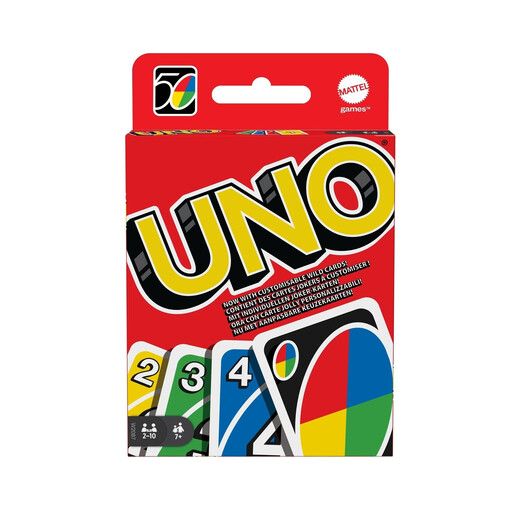
Why this product suits this need: This card game is designed for 2 to 10 players aged 7 and up, and takes up very little space. It’s ideal for family evenings, children’s parties and holidays.
The recommended age and number of players are clearly stated. Matching cards by colour or number makes it easy to get started, without a lengthy set-up.
112 cards, action cards and customisable Wild cards; compact storage and no batteries required.
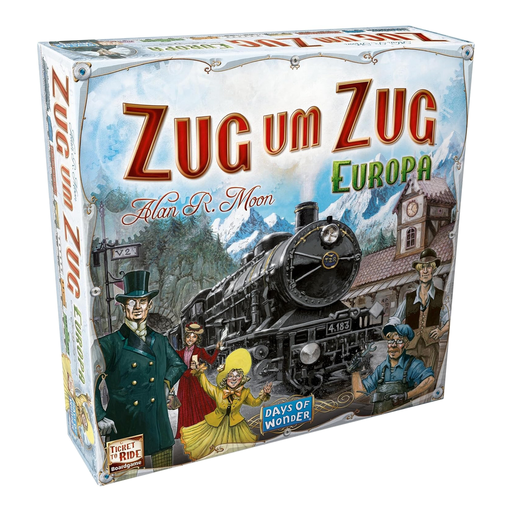
Why this product suits this need: This German-language family game combines simple basic rules with route planning, and is designed for 2 to 5 players aged 8 and up.
Details of the player count, age range, language and playing time make it easier to judge whether it’s right for a family game night.
Made from a mix of paper, cardboard and plastic; around 250 pieces and a playing time of approximately 45 minutes or more.
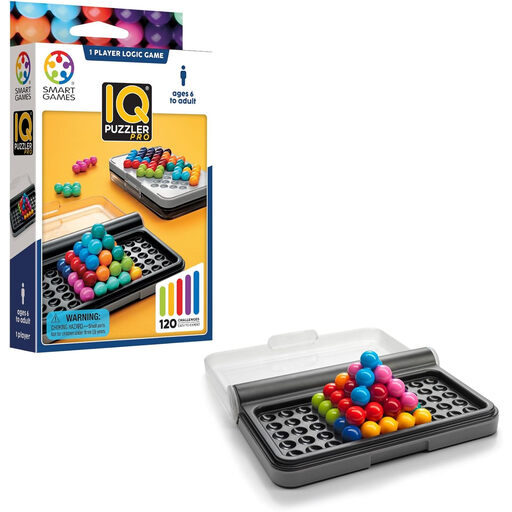
Why this product suits this need: This solo game is suitable for children aged 6 and up who want to solve logic puzzles independently, at home or on the go.
The product details specify 120 challenges, three ways to play and a compact format, making it easy to see whether it’s right for you before you buy.
120 challenges in 2D and 3D; compact plastic case and no batteries required.
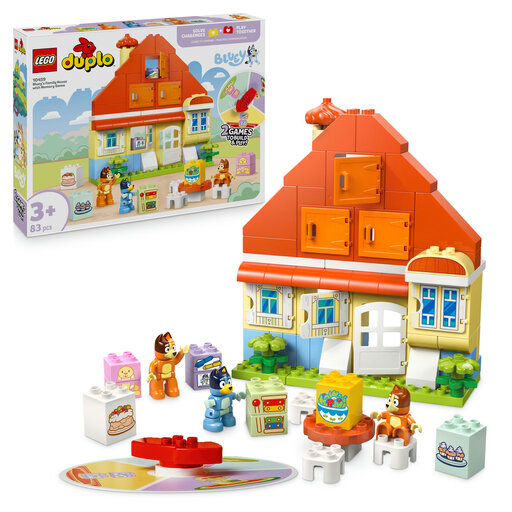
Why this product suits this need: This set, suitable for ages 3 and up, combines pretend play with a memory game and can be enjoyed with an adult.
With two ways to play, enjoyment doesn’t depend on following one fixed set of rules. Be sure to observe the age recommendation and small-parts warning.
83 pieces, three figures and a memory game element; according to the product details, the house is around 30 cm tall.
We’ve put together a comprehensive, regularly updated list of products that meet these strict selection criteria and fully comply with the safety regulations in force in the EU.
Games with clear instructions and a manageable set of rules are a good choice. According to their product details, Ticket to Ride: Europe, Monopoly Harry Potter and The Game of Life are suitable for children aged 8 and up. For longer games, it’s also worth checking whether the stated playing time suits your family.
Usually, one compact card game or a solo game is enough for travelling. UNO is easy to pack and is designed for 2 to 10 players. IQ-Puzzler PRO is for one player and offers several challenges in a compact format. Make sure small pieces are stored safely and kept dry during the journey.
Lifespan depends on the materials, how often the game is used and how it’s stored. Cards and boards should be kept dry and protected from creases. Check plastic and wooden pieces regularly for damage. Missing or damaged components can make a game unusable, so it’s a good idea to check that everything is accounted for after each game.