
Lieferung heute & morgen

Qualitätsgarantie

Willkommens-Angebote freischalten: KOSTENLOSE Lieferung | Bis zu 80 % RABATT | Kostenlose 30-Tage-JoyPlus-Testphase
App herunterladen
Board games are designed to bring people together – but not every game is automatically right for your group. Purchases often disappoint because the packaging promises large groups, while the actual player count is considerably lower. Age recommendations, language versions and required accessories are also easily overlooked when buying.
Our selection highlights what families, teenagers and adults should consider before making a purchase. This makes it easier to choose board games, card games, family games and party games to suit your group and the occasion.
A game for “up to ten people” is not automatically equally suitable for every group size. With some titles, the way the game plays changes considerably with only a few players. For example, a party game for eight to 28 people requires a different group dynamic from a classic board game for two to four players.
Before buying, check:
The age recommendation provides guidance on suitability, but it does not by itself indicate whether the rules, amount of reading and playing time are right for your group. A strategy game recommended for ages eight and over may be too complex for younger children, while simple children’s games can quickly become repetitive for adults.
With children, you should also look out for small playing pieces, cards or counters. Products containing such components are generally not suitable for children under three. The information on the packaging and product page should be the deciding factor before you buy.
Some modern board games use an app, a smartphone or additional batteries. Music games may also require a Spotify account. With imported card games, the language of the cards is crucial, particularly if children or people with limited German-language skills are playing.
Look out for:
The number of players is a non-negotiable consideration. A family with two adults and one child needs different family games from a birthday gathering with ten teenagers. Short games lasting around 20 to 30 minutes are easier to fit into everyday life. Titles lasting 45 minutes or more generally allow more scope for planning, but require a correspondingly longer playing session.
For children aged four and over, clear rules, easy-to-handle playing pieces and short rounds are ideal. Older children and adults may enjoy strategy games with several possible decision paths or co-operative games with a shared objective.
The German-language version is particularly important when cards contain text. In a game with lots of text cards, a foreign-language edition can significantly disrupt the flow of play. If you are buying a game as a gift, you should also check that the recipient’s age and interests genuinely match the game mechanics.
Game boards, cards and plastic components should be stored in a dry place. Paper or card cards can warp when exposed to moisture. A well-organised box or small storage bags help keep all the playing pieces together and reduce set-up time.
For electronic products, power supply, cleaning and assembly are also part of the buying decision. For example, an electronic dartboard requires secure wall mounting and may only be used with the specified soft-tip darts.
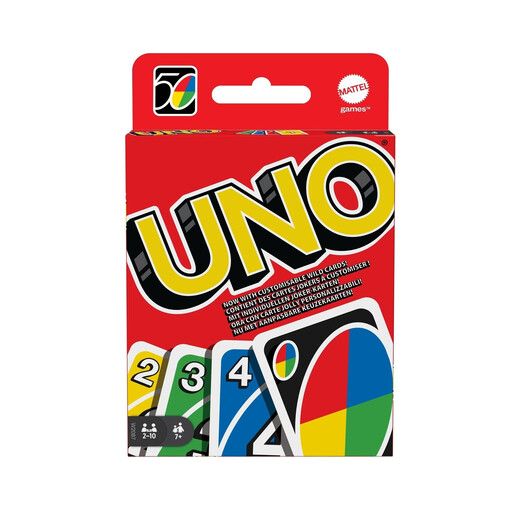
Why this product suits the profile: UNO is designed for 2 to 10 players aged seven and over, and requires neither batteries nor an app. This makes the card game easy to enjoy with families, spontaneous groups and at parties.
The number of players, age recommendation and contents are clearly stated. No additional technology is required, and the basic rules focus on colours, numbers and action cards.
112 cards, 2–10 players, ages seven and over, with no batteries required.
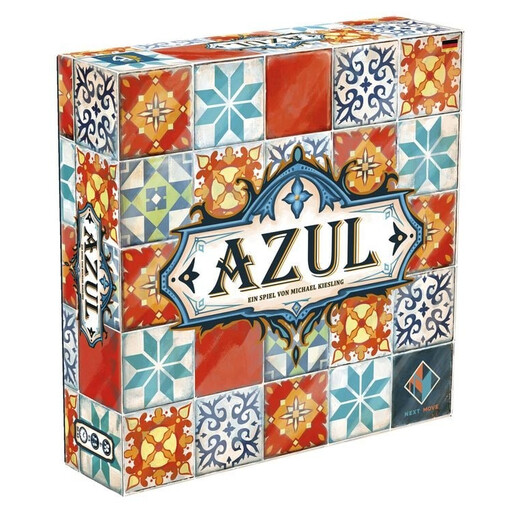
Why this product suits the profile: Azul is designed for two to four players aged eight and over, combining manageable rules with tactical planning. The German edition is intended for regular games evenings with families or board game fans.
The product details specify the number of players, minimum age and a playing time of around 30 to 45 minutes. This makes it easier to estimate the space and time required in advance.
For 2–4 players, ages 8 and over, German edition and no batteries required.

Why this product suits the profile: This music game is designed for parties and larger groups. It contains 225 music cards, supports up to ten players according to the product details, and combines music questions with bingo elements.
The technical requirements are clearly stated: music playback requires a suitable device and Spotify, while three AAA batteries are needed for the scanning function. These points should be planned for before the games evening.
225 cards, German language, up to 10 players and compatible with other Hitster editions.
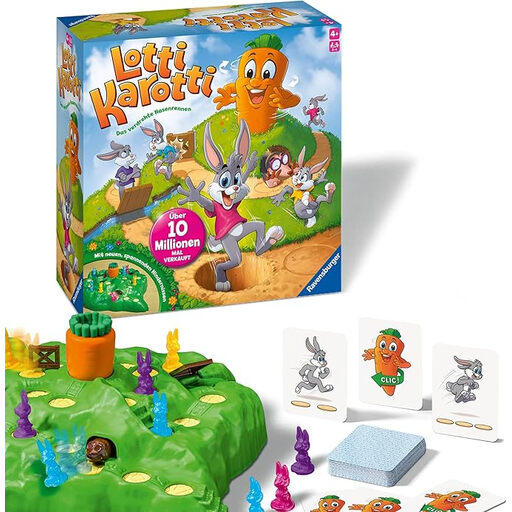
Why this product suits the profile: This children’s game is suitable for ages four and over, for two to four players, and takes around 20 minutes. The game involving cards and rabbit figures is easy to fit into a short family session.
The age recommendation of four and over and the short playing time reduce the risk of choosing a game with rounds that are too long or rules that are too complex.
Ages 4 and over, 2–4 players, around 20 minutes’ playing time and no batteries required.
We have put together a complete, regularly updated list of products that fully meet these strict selection criteria and the safety regulations applicable in the EU.
For families, games with clear rules, a short playing time and an appropriate age recommendation are ideal. Lotti Karotti is recommended for ages four and over. According to the product details, UNO is suitable for ages seven and over and can be played by two to ten people. With younger children, adults should supervise small parts and follow the safety instructions.
This depends on the size of the group and the time available. For one evening, two or three games with different playing times are often enough. A short card game can be used as an introduction, while a board game lasting 30 to 60 minutes can form the main event. For larger groups, party games with a higher player capacity are more suitable than games designed for a maximum of four players.
Store games in a dry place, preferably flat and protected from direct sunlight. Cards and game boards should not come into contact with liquids. After playing, small components should be returned to the box or placed in labelled bags. With electronic games, power supplies and batteries should be stored according to the relevant manufacturer’s instructions.