
Lieferung heute & morgen

Qualitätsgarantie

Willkommens-Angebote freischalten: KOSTENLOSE Lieferung | Bis zu 80 % RABATT | Kostenlose 30-Tage-JoyPlus-Testphase
App herunterladen
By a Joybuy Product Recommendation Officer, July 28, 2026
The selection of board games is vast, and the packaging often promises more than the game can deliver. An unsuitable game can quickly bring a promising game night to a premature end. To help you make an informed decision, we will highlight common pitfalls and show you which objective criteria truly matter.
Many purchases lead to disappointment because certain aspects are overlooked. Here are two of the most common problems:
To avoid the problems mentioned above, you should base your selection on three objective parameters. These will help you see through the marketing promises and find the right game for your needs.
The game mechanics determine how a game feels and how often you'll want to play it again. Pay attention to the following distinctions:
These two factors are crucial for the occasion. A short, snappy filler for game night has different requirements than an evening-long strategy epic.
The quality of the components significantly contributes to the gaming experience. Sturdy cards, well-crafted game pieces, and a clear game board are hallmarks of a durable product. The theme should suit the group—not everyone enjoys complex economic simulations or abstract puzzles. An engaging theme, as often found in travel games or adventure games, can make it easier to get started.
Here are three recommendations tailored to different needs and gaming groups, specifically designed to avoid the pitfalls mentioned.
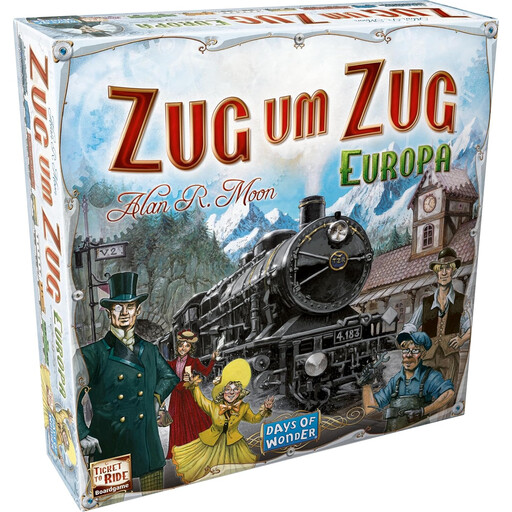
Why This Fits Their Persona: Ideal for families looking for an accessible yet strategic game. According to the manufacturer, the rules can be learned in about 5 minutes, making it easy for children aged 8 and up to get started, while the strategic depth of building train routes also challenges adults.
Thanks to secret destination tickets and variable strategies, each game offers high replay value, thus escaping the "one-and-done" trap.
Easy to learn with strategic depth. High-quality cardboard and plastic components ensure durability.
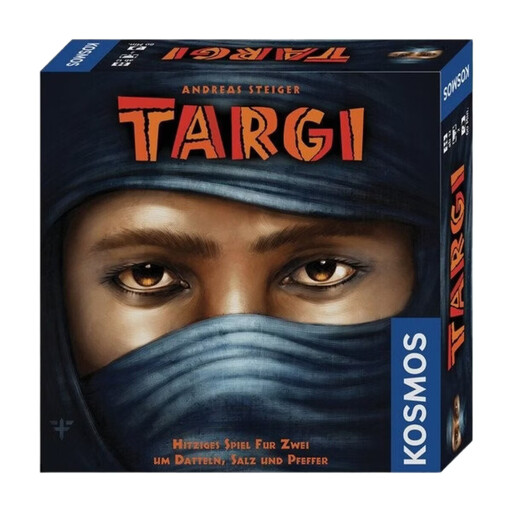
Why This Fits Their Persona: Perfect for couples or friends looking for a challenging duel. Targi is designed exclusively for two players and offers a high level of strategic interaction through a clever worker-placement mechanism.
As a pure 2-player game, it bypasses the trap of an unbalanced player count. The game mechanics are entirely designed for a head-to-head duel.
High strategic depth and interaction. The dynamic game board ensures plenty of variety and replay value.
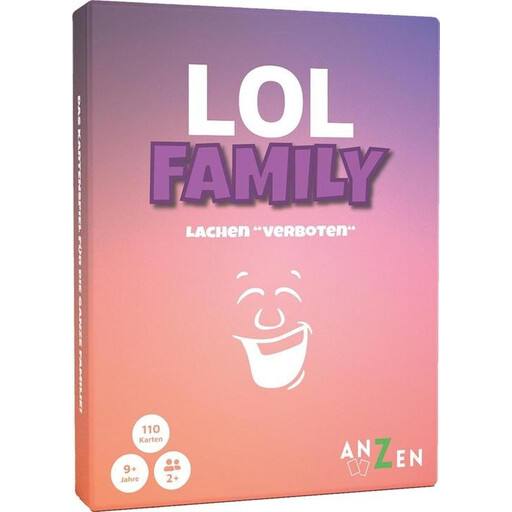
Why This Fits Their Persona: This card game is designed for casual get-togethers and parties where fun is the main goal. It requires no preparation and no complicated rules—ideal for groups with varying levels of gaming experience.
The simple concept ("Whoever laughs, loses") is universally understood and works in any group size from 2 players up. It avoids the trap of an overly complex party game.
No setup required, ready to play instantly. The 110 cards with jokes and tasks ensure varied and entertaining moments.
We have compiled a complete, up-to-date list of products that fully meet these strict selection criteria and German safety regulations.
The "Spiel des Jahres" (Game of the Year) award is presented by an independent jury of game critics and is considered a major prize in the gaming industry. A game awarded "Spiel des Jahres" is typically a high-quality family game with an innovative concept and easy-to-understand rules. In contrast, the "Kennerspiel des Jahres" (Connoisseur's Game of the Year) award is aimed at more experienced players and recognizes more complex games for adults.
To maximise the lifespan of your games, you should follow a few simple rules. Store the game boxes lying flat to prevent the game board from warping. Avoid places with high humidity or direct sunlight, as this can fade the colours and cause the material to swell. Small parts like dice or game pieces are best kept in resealable bags or small sorting boxes to prevent loss.
That depends heavily on the game. Some competitive games lose their tension when there is less competition. Others offer official 2-player variants in the rulebook that adapt the gameplay. With cooperative games, it's often easier, as one player can take on multiple roles. A good source of information is online forums and gaming communities, where users share their experiences with different player counts.