
Lieferung heute & morgen

Qualitätsgarantie

Willkommens-Angebote freischalten: KOSTENLOSE Lieferung | Bis zu 80 % RABATT | Kostenlose 30-Tage-JoyPlus-Testphase
App herunterladen
A great game night brings people together and creates lasting memories. But the search for the right board game can quickly become overwhelming. The box art makes big promises, but not every game lives up to the hype. As your Joybuy Product Recommendation Officer, I'll help you spot common purchasing pitfalls and make an informed decision that's perfect for your occasion.
Before you invest, you should be aware of the common issues that can quickly spoil the fun.
To avoid these traps, focus on three objective parameters that determine long-term enjoyment.
Context is key. Are you looking for a quick card game to play between activities or an evening-long board game for a strategic showdown?
The mechanics determine how often a game will make it back to the table.
The quality of the components is a direct indicator of longevity.
Here are a few recommendations tailored to different needs and player types, all of which meet the criteria mentioned above.
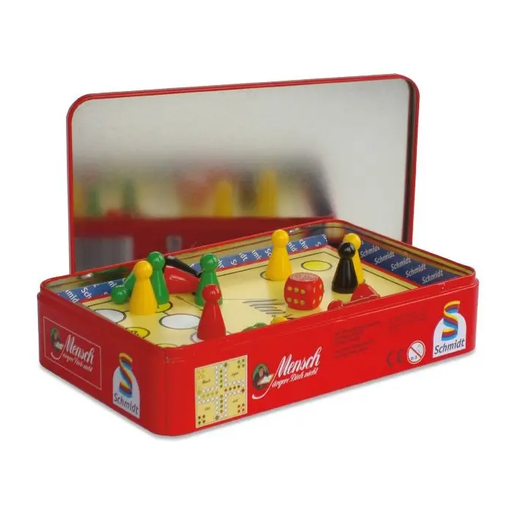
Why it's a match: This classic game is known across generations, and the rules can be explained in minutes. The mix of luck and simple tactics creates excitement without overwhelming younger players.
The sturdy metal tin protects the components, avoiding the issue of poor material quality. As a timeless classic, it has unlimited replay value.
Its compact and sturdy packaging makes it an ideal travel game. The simple rules allow you to start playing immediately without lengthy setup.
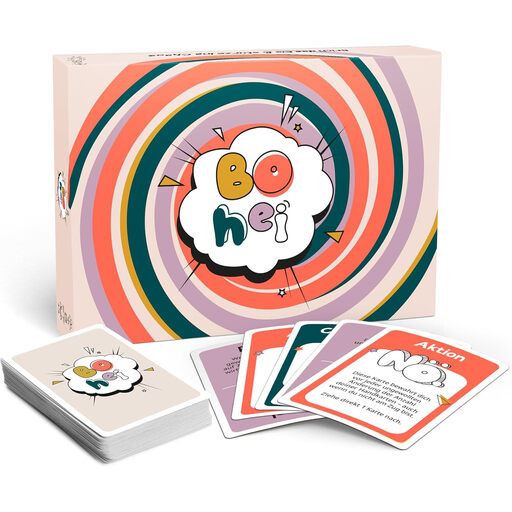
Why it's a match: This game is explicitly designed for chaos and unpredictable twists. It's ideal for groups of young adults looking for an interactive and humorous party game where laughter is the main goal.
With 110 unique cards and three different card types (Actions, Challenges, Rules), it offers high variability and avoids the "one-and-done" trap. It's designed for 3 to 8 players and works well across that range.
The combination of action, challenge, and rule cards creates constantly changing game dynamics that stay fresh even after multiple plays.
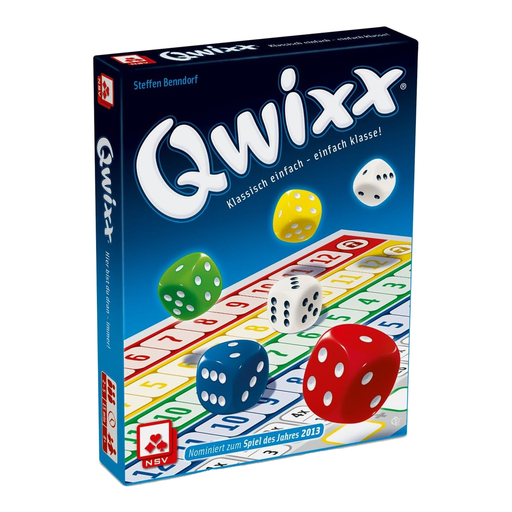
Why it's a match: Qwixx is a fast-paced dice game that fits into a small box. Since all players are active on every turn, there's no long downtime. It's perfect for travel, waiting rooms, or as a short, fun opener for a game night.
The short playtime of about 15 minutes and simple rules make it a game you can play over and over. It avoids the player count trap by scaling well from 2 to 5 players with no downtime.
Its nomination for the 2013 "Spiel des Jahres" (Game of the Year) award is an indicator of a well-designed and polished game concept. The mechanics are simple but offer enough tactical decisions.
We've compiled a complete, up-to-date list of products that fully meet these strict selection criteria and all relevant safety standards.
1. What makes a good travel game? A good travel game has three key features: compact packaging that takes up little space in your luggage; durable components that can withstand transport (e.g., in a metal tin or made of high-quality plastic); and simple, easy-to-learn rules so you can quickly start a game, even with new acquaintances.
2. How do you find a game that everyone in the group will enjoy? Look for games with a flexible player count and simple core rules. Cooperative games, where everyone works together towards a common goal, are often a safe bet as they avoid direct competition. Also, check the age recommendation and the game's theme to ensure it aligns with the group's interests.
3. How important is the listed playtime? The listed playtime is a useful average that helps with planning. Keep in mind that your first game will often take longer due to reading the rules and learning the mechanics. Conversely, experienced players might finish a game more quickly. Use the listed time as a general guide to see if a game fits into your schedule.