
Lieferung heute & morgen

Qualitätsgarantie

Willkommens-Angebote freischalten: KOSTENLOSE Lieferung | Bis zu 80 % RABATT | Kostenlose 30-Tage-JoyPlus-Testphase
App herunterladen
The selection of board games is vast, and finding the perfect one for your next family night or as a gift can quickly become overwhelming. Many boxes promise endless fun, but all too often, the excitement turns to frustration when the game is too complicated, the materials are low-quality, or the fun is short-lived. As your Joybuy Product Recommendation Officer, I'm here to help you avoid common purchasing traps and make an informed decision.
Before you invest, you should be aware of the three most common issues that can spoil the fun.
To avoid these pitfalls, focus on three objective criteria. These will help you better assess a game's quality and suitability.
The mechanics determine how a game feels. Ask yourself: Does your family prefer cooperative games where everyone wins together, or competitive ones with a single winner? Is luck (e.g., rolling dice) or strategy the deciding factor? For a successful game night with different age groups, games that offer a mix of luck and simple strategic decisions are often ideal. The rules should be clear and explainable in just a few minutes.
A good board game is an investment in shared time. Therefore, pay attention to the quality of the components.
The official age rating is a starting point, but consider your children's individual skills and interests. A child who already has experience with kids' board games may be able to master more complex games earlier. The theme is just as crucial: a game about dinosaurs will captivate a young paleontologist more than an abstract tile-laying game. As gifts for kids, thematically appropriate games are often a huge success.
Here are some recommendations tailored to different needs and occasions, all of which meet the quality criteria mentioned above.
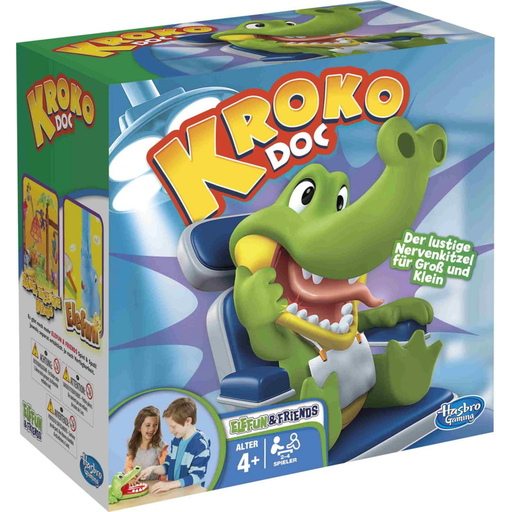
Why it fits this profile: Simple rules, quick rounds, and a fun surprise effect keep even the youngest children (ages 4+) engaged without frustration. Ideal for short attention spans.
It sidesteps the "overly complex rules" trap. The game can be explained in seconds, allowing for immediate fun. The sturdy plastic construction can withstand enthusiastic handling by small children.
Promotes fine motor skills and social interaction through turn-taking. The high-stakes thrill of the snapping mechanism ensures repeatable fun.
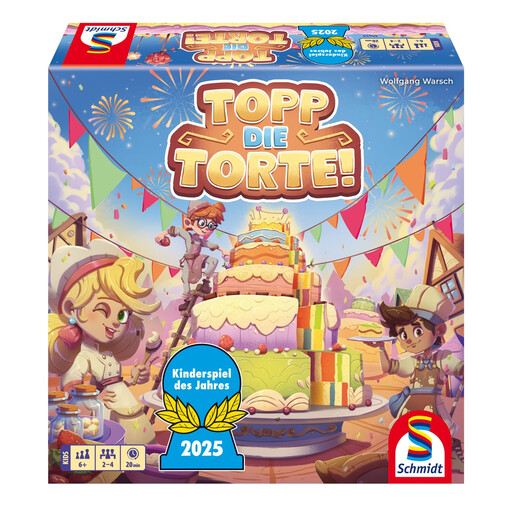
Why it fits this profile: A balanced mix of simple strategy and creative fun. It's equally engaging for children (ages 6+) and adults, making it an ideal choice for family games.
The age rating is well-chosen. It introduces strategic thinking without overwhelming younger players. According to the manufacturer, the high-quality, durable components prevent rapid wear.
All players remain involved throughout the game, which minimises downtime. It playfully encourages forward planning and colour recognition.

Why it fits this profile: This classic promotes logical thinking and deduction skills. The redesigned version offers a fresh story and high-quality components for a captivating detective experience.
It avoids the low replay value trap, as the solution to the mystery changes with every game. The quality of the game board and the zinc alloy game pieces ensures its longevity.
Fosters logical thinking and deduction. The redesigned story and high-quality game pieces (according to the manufacturer) create an atmospheric gameplay experience.
While classic board games are a wonderful way to spend time with family, older children and teenagers might also be interested in digital entertainment. For those looking for the right console accessories, there is also a wide selection available.
We've compiled a complete, up-to-date list of products that fully meet these strict selection criteria and safety standards.
In addition to the description, read the player count, estimated playing time, and age rating. Search online for short videos that explain the game's concept. This will give you a better feel for whether the mechanics and theme match your family's preferences and patience.
Good family party games are characterised by simple, quickly learned rules, high interaction between players, and an element that ensures laughter and entertainment. They should be suitable for a flexible number of players and not cause long waiting times for individuals. Games that require movement or reward creative answers are often very popular.
Store games in a dry, cool place to avoid moisture damage to the cardboard. Ensure all small parts are sorted back into the box or into separate bags after playing to prevent loss. For card games, there are special game accessories like sturdy carrying cases that protect the cards from dust and wear, especially if they are often taken on trips.