
Lieferung heute & morgen

Qualitätsgarantie

Willkommens-Angebote freischalten: KOSTENLOSE Lieferung | Bis zu 80 % RABATT | Kostenlose 30-Tage-JoyPlus-Testphase
App herunterladen
Finding a suitable game for the family sounds simple at first. In practice, unclear age recommendations, rounds that go on too long, or an unsuitable difficulty level can quickly lead to a bad purchase. Especially with board games for children and adults, you shouldn't rely solely on the cover, a well-known brand name, or promotional descriptions.
"From 8 years" doesn't automatically mean that every child will understand the game without help. Some party games require reading skills, tactical planning, or a good grasp of numbers. For games from 12 years upwards, complex rules and longer periods of concentration can come into play.
So, check the following:
A game for two to four people is unsuitable for a large birthday gathering. Conversely, a party game for ten people makes little sense for a quiet games evening for two. What's more, the maximum number stated on the box doesn't always tell you whether all players will be equally active throughout.
A time like "45 minutes" can be significantly extended by setup, explaining the rules, and a second round. For families with younger children, short card games or clearly structured rounds are often more practical. More demanding strategy games or cooperative board games are better suited to a planned evening when you have plenty of time.
Pay attention to the recommended age range as well as any warnings about small parts. Many games contain cards, tokens, dice, or tiles that could pose a choking hazard for children under three. The age recommendation doesn't replace your own judgement: a six-year-old might manage a simple game with rules perfectly well, while a complex game for ages eight and up could still be too challenging.
For a regular games evening, the following guidelines are helpful:
Paper and cardboard components should be stored in a dry place and only cleaned with a dry cloth. Plastic pieces and cards need organised storage so that no parts are missing for the next games evening. For games with magnetic or electronic components, you should also check whether batteries are required and whether they are included in the box.
For families, the packaging size is also relevant. Compact games are ideal for travel and smaller homes. Large game boards or numerous individual pieces, on the other hand, need a sturdy table and plenty of storage space.
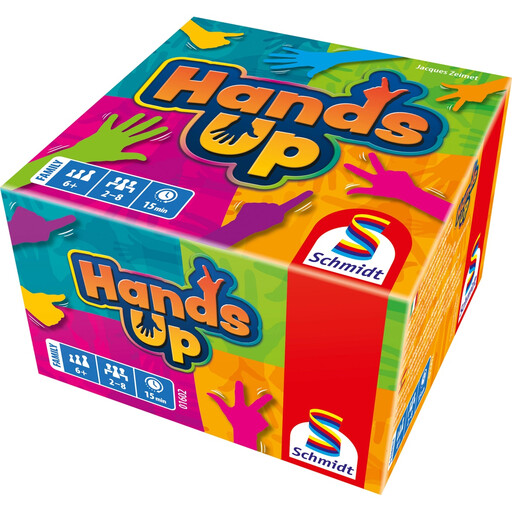
Why this profile fits: According to the product information, this compact family game is suitable from age 6 and can be easily integrated into short game rounds.
The age recommendation and small packaging make it easier to choose for younger children and spontaneous games evenings.
From age 6; no batteries required; dimensions according to product data: 10 × 10 × 6.8 cm.
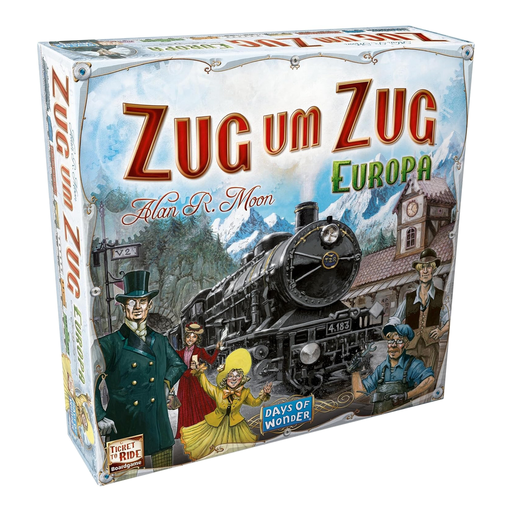
Why this profile fits: For families with children aged 8 and over and adults looking for a mix of easy-to-learn rules and tactical planning.
The product information states a rule explanation of around five minutes and defines the target group as 2–5 people and from age 8.
2–5 people; recommended from age 8; playing time according to the product description approximately 45 minutes or longer.
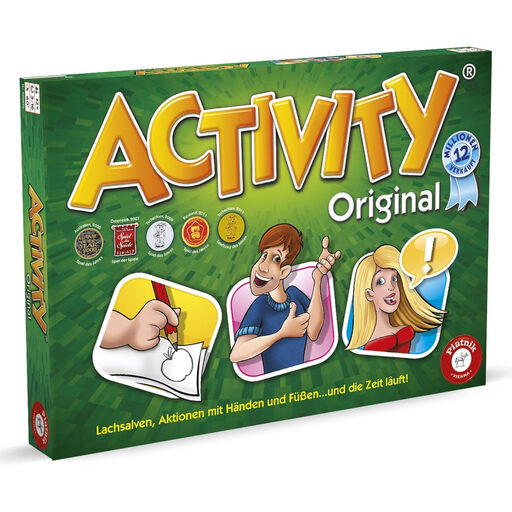
Why this profile fits: For birthdays, Christmas gatherings, and games evenings with several people where drawing, acting, and explaining are called for.
The stated number of players of 3–16 prevents a group game from being bought for a small gathering.
2,640 terms according to product data; 3–16 people; recommended from age 12.
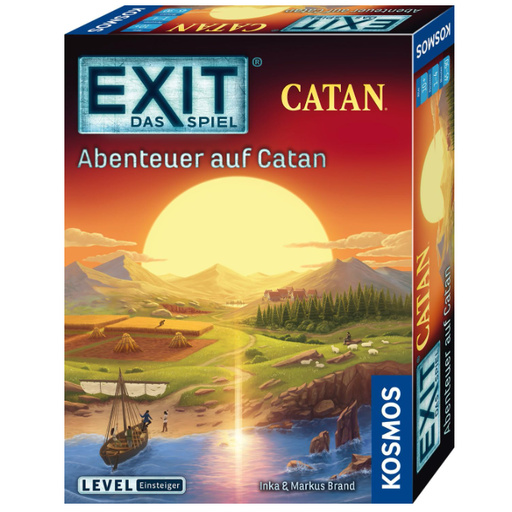
Why this profile fits: For 1–4 people aged 10 and over who want to solve puzzles together and experience a themed story.
The "Beginner" classification and a tutorial according to the product description help with getting started in cooperative escape room games.
1–4 people; recommended from age 10; playable without batteries; optional app support.
Depending on the occasion, other board games for the whole family can also be a good choice:
In the full category you'll find more products sorted by game type, age recommendation, and area of use. Always check the current product data and safety information before purchasing.
Games with clear rules, a short to medium playing time, and an age recommendation that suits the youngest person are suitable. Rummikub, Ticket to Ride: Europe, Ubongo, and simple card games from age 8 can bring different age groups together. For more complex games from age 12, an adult should accompany the first round.
For a typical games evening, two to three different formats are usually enough: a short card game, a tactical game for two to four people, and a party game for larger groups. This way, the selection can be adapted to energy levels, time available, and group size.
The lifespan depends mainly on the materials, storage, and handling. Cardboard parts should be kept dry, cards not bent, and small parts stored complete in the original box. For electronic games, it's also advisable to remove the batteries after a long period of non-use.