
Lieferung heute & morgen

Qualitätsgarantie

Willkommens-Angebote freischalten: KOSTENLOSE Lieferung | Bis zu 80 % RABATT | Kostenlose 30-Tage-JoyPlus-Testphase
App herunterladen
Finding the right board game might sound straightforward. In practice, unclear age recommendations, brief product descriptions or a game that moves at the wrong pace can quickly lead to a disappointing purchase. Board games for the whole family should not only look appealing, but also suit the group size, the ages of the players and the amount of time you want to spend playing.
“8+” does not automatically mean that every child of that age will be able to join in with ease. Reading ability, understanding the rules and being able to plan several moves ahead are also important. When choosing board games for children, check that the text, numbers and tactical decisions suit their actual stage of development.
A game for two to four players may suit a small family, but not necessarily a birthday gathering. On the other hand, large party games can lose their spark when played by just two people. The recommended player count on the box is therefore an important factor when choosing a game, not a minor detail.
Descriptions such as “for the whole family”, “exciting” or “educational” don’t explain how a game actually works. Check whether it’s a dice game, a card game, a strategy game, a quiz or a co-operative game. Details about play time, language and any additional equipment you’ll need can also help you avoid disappointment.
Check the recommended age range and any warnings about small parts. Many family games include playing pieces, card markers or tokens that aren’t suitable for younger children. If your household includes children of different ages, a game with a clear age limit and a manageable number of components may be a better choice.
Realistic play-time estimates are especially useful when choosing a game for a regular game night. A game that takes 20 to 30 minutes is a good choice if you’d like to play several rounds. For games that take 45 minutes or more, make sure the group has enough time and is happy to settle in for a longer game. Also check whether the recommended player count works without teams.
Game boards and cards are often made from paper, card or plastic. Store card components in a dry place and clean them with a dry cloth only. Built-in storage makes it easier to check that everything is there. For German board games or German-language editions, make sure the instructions and cards are all in German. For music-based games, check whether you’ll need a smartphone, app, internet access or a streaming account.
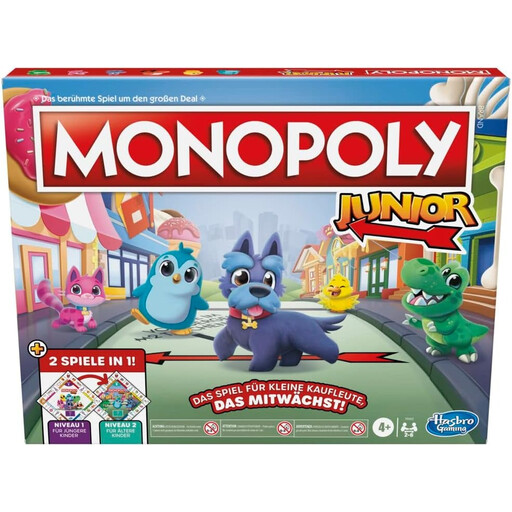
Why this product suits this profile: Designed for 2 to 6 players, the game has a double-sided board with two levels of rules, suitable for ages 4 and 6+. That makes it easy to adapt to different age groups within the family.
The two difficulty levels reduce the risk of buying a game that’s too complicated for younger players. You should still check the age recommendation and warning about small parts.
Double-sided game board, 2 to 6 players, no batteries required and a German-language edition.
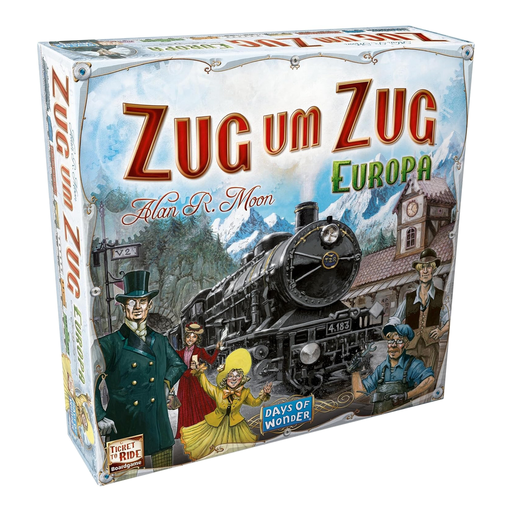
Why this product suits this profile: A good choice for families and adults looking for a structured strategy game with straightforward rules. It’s designed for 2 to 5 players aged 8+ and combines card management with building railway routes.
The player count, minimum age and approximate play time of 45 minutes are clearly stated. That makes it easier to work out how much space and time you’ll need before you buy.
German-language game, 2 to 5 players, around 250 game components and a mix of paper, card and plastic materials.

Why this product suits this profile: This music and card game is for 2 to 10 players aged 16+. It’s well suited to parties, larger game nights and groups who enjoy putting music history in chronological order.
The 16+ age recommendation helps prevent the game from being mistakenly planned as a children’s game. The Rock edition is also listed as not requiring batteries.
Suitable for up to 10 players, around 30 minutes per game according to the product details, and can be combined with other Hitster editions.
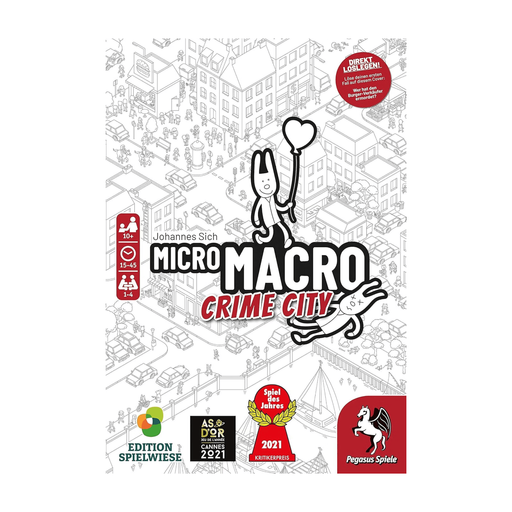
Why this product suits this profile: This co-operative detective game is designed for players aged 10+. Together, the group investigates a large fabric city map and solves 16 cases.
The co-operative format takes the pressure off competing directly against one another. The large 75 × 110 cm playing surface also makes it clear that you’ll need a well-lit table with plenty of space.
Co-operative gameplay, 16 cases, a fabric game map and a magnifying glass for investigating clues together.
We’ve put together a complete, regularly updated list of products that meet these strict selection criteria and fully comply with the safety regulations in force in the EU.
Games with several difficulty levels, short play times or simple basic rules are a good choice. Monopoly Junior, for example, has a double-sided board designed for different age groups. If you have young children, remember to check the warnings about small parts.
A game’s lifespan depends mainly on the quality of its components, how it’s stored and how the cards and playing pieces are handled. Storing it in a dry place, keeping all the components together and cleaning it with a dry cloth will help protect card and paper parts. Check for missing pieces as early as possible and keep any loose parts somewhere safe.
Many classic board and card games don’t need batteries or digital services. Music-based games, however, may require a smartphone, app, internet access or a streaming account. Check what’s needed before you buy, particularly if you’re choosing the game as a gift for a family.