
Lieferung heute & morgen

Qualitätsgarantie

Willkommens-Angebote freischalten: KOSTENLOSE Lieferung | Bis zu 80 % RABATT | Kostenlose 30-Tage-JoyPlus-Testphase
App herunterladen
Whether it’s a family get-together, a games night with friends or a gift for children and adults, board games for families and friends vary considerably in terms of recommended age, number of players, playing time and game mechanics. An appealing cover or a familiar brand says little about whether a game is actually right for your group.
This buying guide explains what German households should consider before making a purchase and which options suit different gaming preferences.
Many games are advertised for large groups but only really work well with four or more people. A game for two to five players is not automatically suitable for a birthday party with ten guests. So check the official player count and consider how many people usually take part.
The specification ‘up to 10 players’ may also be a technical upper limit. With music or party games, the enjoyment also depends on whether everyone is involved at the same time.
A game for ages 8 and up is not necessarily suitable for every six-year-old. Age recommendations take account of factors including understanding the rules, reading ability and handling small parts. For younger players, adults should follow the information on the packaging and accompany them during the first round if necessary.
If a game contains small cards, playing pieces or plastic parts, children under three are generally at risk of swallowing them. The manufacturer’s specific warning remains the determining factor.
Simple rules can still lead to lengthy games. Phase 10, for example, is easy to get into but is listed as taking around 60 to 90 minutes. For a short games night or a journey, card games with rounds lasting around 15 minutes are often more suitable.
For board games for ages 8 and up, clear rules and an accessible introduction are important. Check whether the instructions are available in German and whether children can read the cards independently. With games for children and adults, the mechanics should not rely solely on specialist knowledge or complex calculations.
For children aged 6 and over, short reaction games, dexterity games and simple guessing games are generally suitable. Board games for the whole family, on the other hand, can cater for a wider mix of ages if the rules can be explained flexibly.
Pay attention to three details:
For two people, deduction and card games such as ‘Guess Who Grab And Go’ or a suitable card game are good choices. For larger groups, party games such as ‘Activity’ or ‘Taboo’ are more suitable, provided everyone enjoys talking, drawing or acting things out.
Card games and compact travel games require little storage space and are easier to transport. For board games, you should consider the dimensions of the box and the number of individual components. Keeping everything organised helps prevent cards, playing pieces or play money from getting lost.
Electronic games also require batteries. The ‘Simon Classic’, for example, requires three AAA batteries; according to the product information, test batteries are included. ‘Hitster Bingo’ uses a device to scan the cards and, according to the product description, requires three AAA batteries, which are not included. These ongoing additional costs should be factored in before buying.
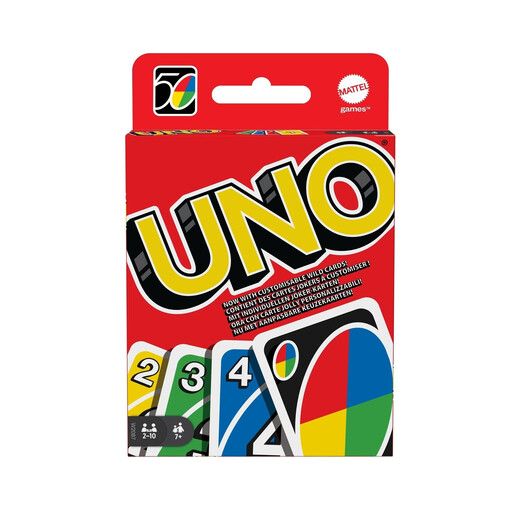
Why this product suits this preference: This card game is designed for 2 to 10 players aged 7 and over and requires neither set-up nor batteries. That makes it ideal for spontaneous games at home, on holiday or at family celebrations.
The clearly recognisable colour and number mechanics make it easy to get started. The stated player count covers both smaller and larger groups.
112 cards, special cards such as Skip and Reverse, plus customisable Wild cards.
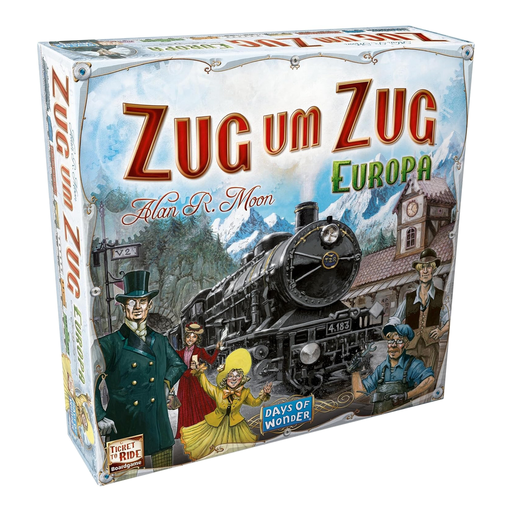
Why this product suits this preference: This German-language strategy game is designed for 2 to 5 players aged 8 and over. With a playing time of around 45 minutes, it is well suited to planned family games and games nights.
The player count and approximate playing time are clearly stated. Set-up is based on cards, routes and stations, and the game can be played without batteries.
Build routes through European cities, with around 250 playing pieces and rules designed to get you started quickly.
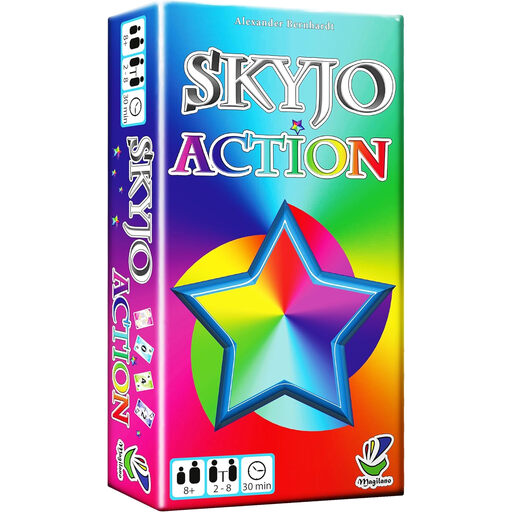
Why this product suits this preference: Suitable for families, couples and groups of friends, this card game offers a compact option for 2 to 8 players aged 8 and over. Its format is ideal for playing at home or on the go.
The compact card box minimises the space required. The age and player information helps you assess whether the game is realistically suitable for your group before buying.
Play is divided into multiple rounds, while the card mechanics combine revealing, swapping and collecting points.
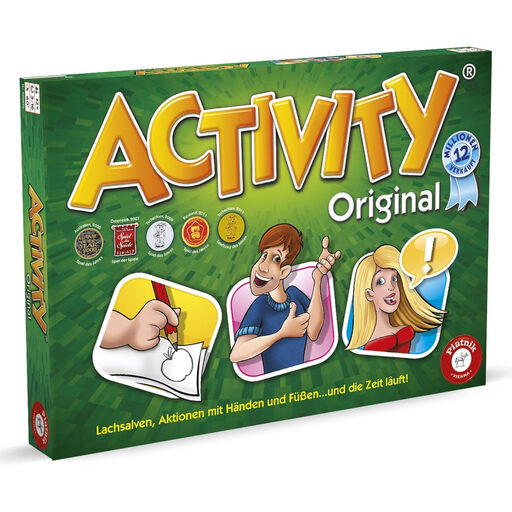
Why this product suits this preference: This party game is designed for 3 to 16 players aged 12 and over. Drawing, acting and explaining keep larger groups actively involved.
The high maximum player count is clearly specified. The age limit of 12 and over prevents an unsuitable choice for younger children.
2,640 terms and three different ways to act them out; the game board measures approximately 28.5 × 40 × 5.5 cm.
We have put together a complete, regularly updated list of products that fully meet these strict selection criteria and the safety regulations applicable in the EU.
For families with children aged 8 and over, UNO, SKYJO, MyRummy and Ticket to Ride: Europe are worth considering. The specific age recommendation, reading ability and preferred playing time are all important factors. For younger children aged 6 and over, simple reaction and dexterity games are often easier to enjoy.
According to the product information, UNO is designed for 2 to 10 players. For larger groups of four or more, Activity, Taboo and music-based party games are also good options. With larger groups, check that all players will be actively involved on a regular basis.
Cards and game components should be stored somewhere dry and clean, away from direct sunlight. Wipe components only with a dry or slightly soft cloth, and do not use liquid cleaners on cards. Original boxes with compartments or resealable bags help keep all the individual pieces together.