
Lieferung heute & morgen

Qualitätsgarantie

Willkommens-Angebote freischalten: KOSTENLOSE Lieferung | Bis zu 80 % RABATT | Kostenlose 30-Tage-JoyPlus-Testphase
App herunterladen
By Joybuy Product Recommendation Officer, August 29, 2026
The selection of board games is vast, and making the right choice can be a challenge. Whether for a cozy family night, a child's birthday party, or as a thoughtful gift, a good game creates shared experiences. However, unclear product descriptions or exaggerated marketing promises often lead to disappointment. A game that loses its appeal after just a couple of plays or whose components wear out quickly is a poor investment.
This guide will help you navigate the common pitfalls. We'll show you the key features to look for to find a game that truly fits your needs and provides lasting enjoyment.
Before we get to our recommendations, it's important to understand the three most common issues that can lead to a bad buy:
To avoid the problems mentioned above, you should check three key aspects. These will help you objectively assess a game's quality and long-term fun factor.
The type of interaction is crucial for group dynamics.
Look beyond the simple age rating and assess the actual complexity:
The quality of the components is a direct indicator of a game's durability.
Here are some recommendations tailored to different needs and player groups, taking the above criteria into account.
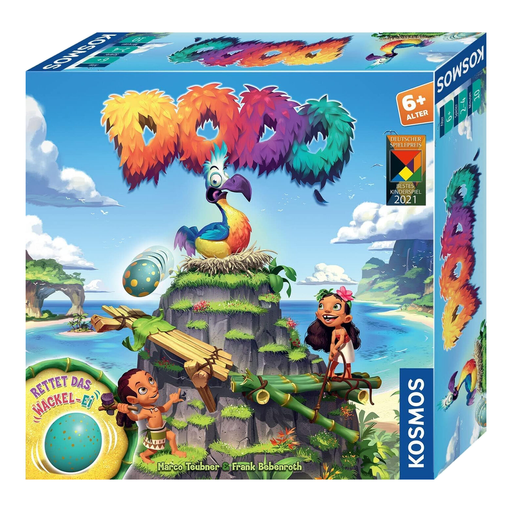
Why This Fits Their Persona: Ideal for families who want to play together, not against each other. The cooperative approach ensures everyone at the table has fun, and no one is left feeling like a loser. The simple rules allow for an immediate start without lengthy preparation.
The gameplay is built around teamwork, thus avoiding the frustration of competitive games. The dynamic setup and the rolling egg ensure high replay value, as every round plays out differently.
Promotes collaboration and communication. High-quality 3D game components provide a tactile and visually engaging experience.

Why This Fits Their Persona: Perfect for kids who are ready for the next step beyond simple roll-and-move games. It provides an accessible introduction to the world of strategy games by simplifying concepts like resource gathering and trading.
The complexity is perfectly tailored to the target age group, preventing players from being overwhelmed or underwhelmed. The variable board setup ensures high replayability, as each game requires new strategic thinking.
A child-friendly gateway to more advanced game mechanics. It playfully encourages strategic thinking and planning skills.
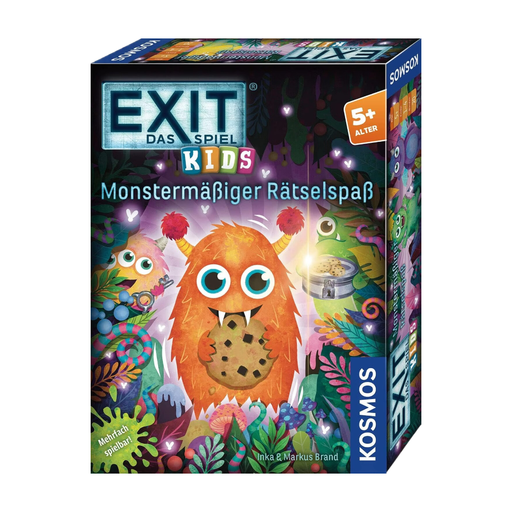
Why This Fits Their Persona: For kids who love to solve puzzles and uncover mysteries. This game brings the popular escape room experience to the playroom in an age-appropriate and repeatable format. It can be played solo or in a group.
Unlike many other escape games, this one is explicitly designed to be replayable. The materials are not destroyed, and the puzzles offer new experiences with each playthrough. This solves the problem of low replay value.
Promotes logical thinking and problem-solving skills. The puzzle mechanics are specially adapted for children aged 5 and up.
We have compiled a complete, up-to-date list of products that fully meet these strict selection criteria and German safety regulations.
A cooperative game is one where all participants act as a team to achieve a common goal. Instead of competing against each other, players pool their skills and resources to win against the game itself. This game type is excellent for family games, especially when children of different ages or with varying levels of gaming experience are playing. It promotes team spirit, communication, and prevents younger players from feeling like losers.
Pay attention to the manufacturer's material description. Terms like "thick-gauge cardboard," "wooden pieces," or "linen finish" on cards indicate higher quality. Also, check the product dimensions and weight: a heavier weight for a comparable size can suggest thicker, more robust materials. Look for clues about the craftsmanship in product images that show component details.
Expansions can be very worthwhile for extending the life of an already popular game. They introduce new characters, challenges, or game boards, keeping the experience fresh. A good example is the Danger from the Shadows expansion for Andor Junior. However, an expansion is only a good investment if the base game is already enjoyed and played frequently. It's not a good fit if the main game failed to captivate the players.