
Lieferung heute & morgen

Qualitätsgarantie

Willkommens-Angebote freischalten: KOSTENLOSE Lieferung | Bis zu 80 % RABATT | Kostenlose 30-Tage-JoyPlus-Testphase
App herunterladen
Board games are a great fit for all sorts of occasions: a family afternoon, a gift, a game night with friends or something to keep the children occupied. There’s plenty to choose from, including board games, card games, party games, cooperative games and strategy games. But that wide choice can make it harder to decide.
A game may look suitable for “the whole family” on the box, even though the rules are too challenging for younger children. Other games need more space, time or players than you have available in everyday life. That’s why our selection is based on clear, verifiable details such as the recommended age, number of players, playing time, game mechanics and materials.
“Age 8+” doesn’t automatically mean that every child of that age will understand the rules without help. For strategy games, card games with lots of special rules or complex board games, reading ability, concentration and numeracy can all make a difference.
For younger children, simple children’s board games with clear structures and short turns are usually easier to get to grips with. Also look out for warnings about small parts. Product details state that games such as Monopoly Junior are suitable from age 4, while other games are recommended only for ages 8, 10 or 12 and up.
A game for two to four people isn’t a good choice for a birthday gathering with ten guests. Conversely, a party game for large groups may not be ideal for a quiet evening for two.
So, before you buy, check:
The stated playing time of 30 minutes doesn’t always include explaining the rules, setting up the game or possible interruptions. With children, shorter rounds are often more practical. Longer games, on the other hand, can be a good choice for adults and regular game nights.
Space matters too: a large game board needs a sturdy table, while compact card games are easier to store and take with you.
The recommended age is a useful guide, but it should be considered alongside the abilities of the players. Small parts can pose a choking or suffocation hazard to children under three, so they should generally be treated with caution. Always follow the warnings on the packaging and in the instructions.
For board games for children, simple gameplay, easy-to-recognise symbols and short rounds are helpful. Board games for adults may focus more on hidden roles, tactical decisions or more challenging rules.
Game mechanics shape how a game feels:
If you’d like to avoid conflict between players, a cooperative game could be a good choice. For lively groups, party games with quick turns and plenty of participation are often a better fit.
Compare the manufacturer’s details with the way you plan to use the game. SKYJO, for example, is listed for two to eight players, while “Die Werwölfe von Düsterwald – Best of” is designed for eight to 28. For larger groups, role-playing and communication games are often a better fit than classic board games.
Materials and storage are worth considering too. Cards and cardboard components should be kept clean and dry, away from direct sunlight. Battery-powered games also need the right batteries and a safe place to store their electronic components.
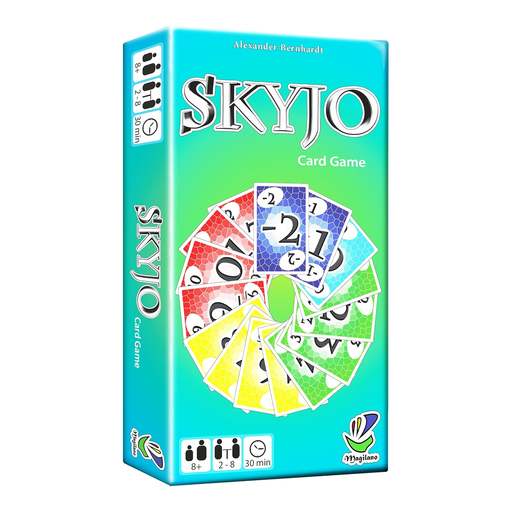
Why this product suits this profile: This card game is listed for 2–8 players aged 8 and over, and needs no set-up or batteries. It’s ideal for a quick game at the kitchen table or on the go.
The number of players, recommended age and compact format are all clearly stated. This makes it easier to decide how well it will suit your needs before you buy.
2–8 players, ages 8+, no batteries and a compact card box.
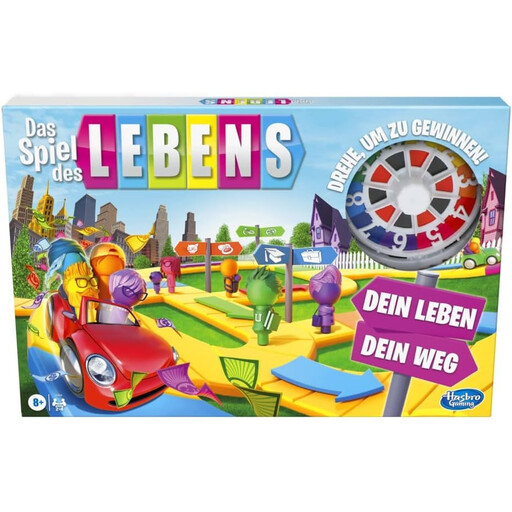
Why this product suits this profile: This board game combines a fixed board with choices, cards and colourful playing pieces. It’s designed for 2–4 players aged 8 and over.
The target age, number of players and materials are all clearly specified. This makes it easier to check whether the table and group size are right for the game.
Board game for 2–4 players, ages 8+, with cardboard components and no batteries.
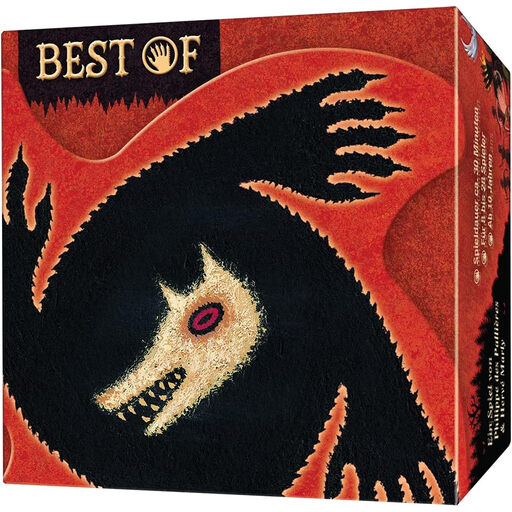
Why this product suits this profile: This party game is listed for 8–28 players aged 10 and over. It’s made for large groups who enjoy discussion, secret roles and bluffing.
The unusually large player count is clearly stated. So you can tell straight away that this game is better suited to parties than an evening for two.
8–28 players, ages 10+, secret roles and a game leader overseeing changing actions.
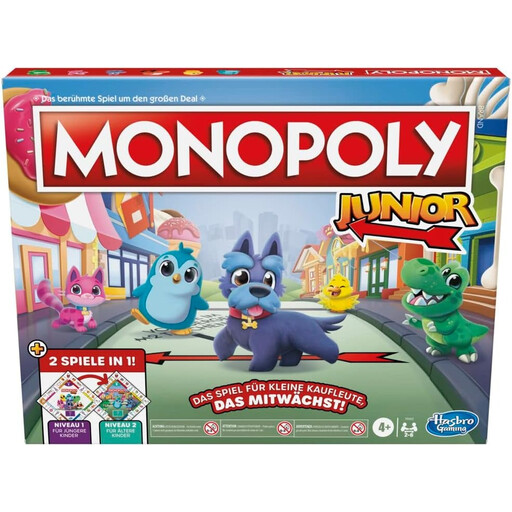
Why this product suits this profile: According to the product details, the double-sided board offers two difficulty levels for children aged 4+ and 6+ respectively, and is designed for 2–6 players.
The two game levels make it easier to adapt the rules to the children’s ages. You should still take note of the warning about small parts.
2–6 players, ages 4+, double-sided board and no batteries required.
We’ve put together a complete, regularly updated list of products that meet these strict selection criteria and fully comply with the safety regulations in force in the EU.
For music fans and sociable gatherings, Hitster Bingo features 225 music cards, Spotify connectivity and gameplay designed for groups. According to the product details, it’s suitable for up to ten players. If you’re looking for a cooperative family game, consider “Die Schule der magischen Tiere – Unglaublich, das Drehspiel”: it’s designed for 1–4 players aged 6 and over.
For a quick game, try Monopoly Deal, which is for 2–5 players aged 8 and over. Other gift ideas for game lovers include Wizard for 3–6 players aged 10 and over, Activity Original for larger groups aged 12 and over, or an EXIT family game for 2–4 players aged 8 and over.
Look for a broad age range, easy-to-understand rules and a flexible player count. Depending on the children’s ages, Monopoly Junior, SKYJO or a games collection for ages 6+ could be good starting points. With young children, an adult should explain the rules first and supervise them around small parts.
It depends on the size of your group and how much time you have. For two to four players, one longer board game or a few quick card games are often enough. For larger groups, combining a party game with a fast card game can help keep waiting times down.
Start by checking the recipient’s age, preferred number of players and interests. Themes such as Harry Potter, music or classic board games can help narrow down your options. For families, storage, playing time and the option of different difficulty levels are also important considerations.