
Lieferung heute & morgen

Qualitätsgarantie

Willkommens-Angebote freischalten: KOSTENLOSE Lieferung | Bis zu 80 % RABATT | Kostenlose 30-Tage-JoyPlus-Testphase
App herunterladen
A great game night with friends or family is a welcome change of pace from the digital routine. But the search for the right board game can quickly become overwhelming. The market is full of tempting offers that don't always deliver on their promises. Before you make a decision that ends up gathering dust on the shelf, you should know the common pitfalls.
To avoid these and other disappointments, it's helpful to focus on objective criteria that truly determine whether a game is a good fit for you and your group.
Instead of being swayed by marketing promises, you should check three fundamental parameters. These will help you make an informed decision for long-lasting fun.
This information on the box isn't just a recommendation; it's an essential filter.
The type of interaction is crucial for the atmosphere at the table.
A good game should still be interesting after the tenth playthrough. Look for elements that provide variety:
Based on these objective criteria, we have identified some games that are a suitable choice for specific profiles.
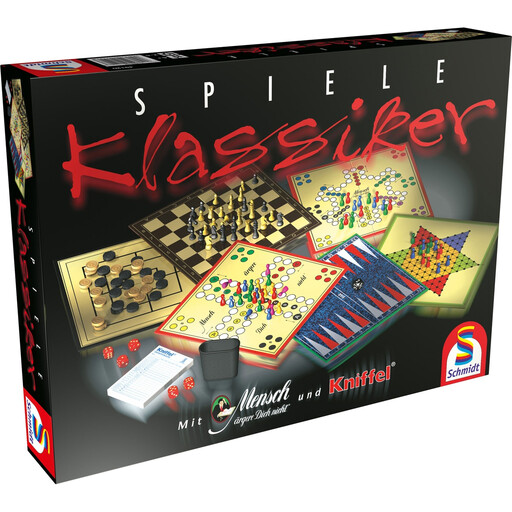
Why it fits the profile: Ideal for families looking for a versatile box of well-known classics. The rules of games like MENSCH ?RGERE DICH NICHT or KNIFFEL are already familiar to most, making it easy for all age groups from 6 and up to get started.
Unlike no-name collections, this box focuses on proven and popular brand-name games. It bypasses the "Over 100 Games in 1" trap by prioritising quality over sheer quantity and offering high recognition value.
Offers over 50 gameplay options based on established classics like Chess, Checkers, or Backgammon. This ensures high acceptance across different generations.

Why it fits the profile: Perfect for young adults looking for an interactive party game for a larger group (up to 10 players). The combination of music, simple rules, and app integration instantly creates a great atmosphere without anyone needing to read a long rulebook.
This game avoids the complexity trap, as the rules can be explained in a minute: scan a card, listen to the music, and place it in chronological order. The focus is on the shared experience, not on complex strategic moves.
Includes over 300 music hits from the last 100 years. The music is played via a free app using Spotify, ensuring a high level of interaction and replayability through random song selection.
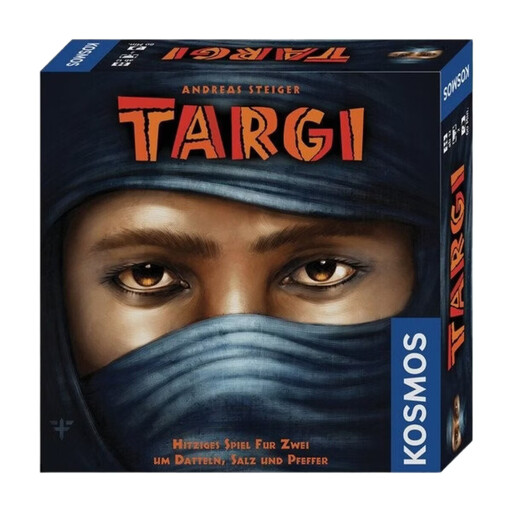
Why it fits the profile: Targi is specifically designed for two players and offers significant strategic depth without taking hours to play (approx. 60 minutes). It's an excellent choice for couples or friends looking for a challenging duel.
This game is the opposite of a superficial game collection. It focuses on a single, well-designed game mechanic (worker placement), thereby offering a rewarding and deep experience for its exact target audience.
The dynamic setup, with a 5x5 grid of action and goods cards, ensures high replayability, as no two games are the same. It was nominated for the 2012 Kennerspiel des Jahres (Connoisseur's Game of the Year) award.
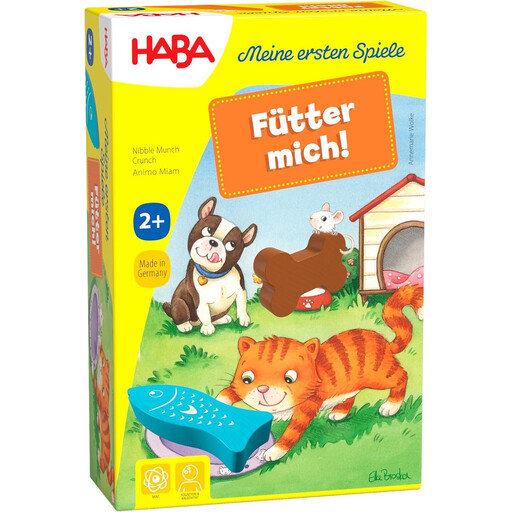
Why it fits the profile: Specially developed for children aged 2 and up. It playfully introduces the little ones to rules and playing together. The components are durable and made for small hands, ensuring longevity.
This game avoids the complexity trap with extremely simple matching and memory rules. The cooperative principle prevents frustration, as there are no losers, and the focus is on the shared sense of achievement.
According to the manufacturer, the game components are made of sturdy beech wood and thick cardboard. This is a clear mark of quality for a children's toy designed for durability and safety.
The card game category, in particular, offers a wide variety of quick and entertaining options. We have compiled a list of products that meet our selection criteria.
1. How can I tell if a board game is suitable for beginners? Look at the age recommendation (games for ages 6 or 8 and up are often a good start), the stated playtime (shorter games under 30 minutes are usually simpler), and the description. Terms like "family game," "simple rules," or "quick to learn" are good indicators. Games with the "Kennerspiel" (Connoisseur's Game) or "Expertenspiel" (Expert Game) award are aimed at experienced players and should be avoided at first.
2. What is the difference between a Legacy game and a regular board game? A regular board game is reset to its initial state after each play. A Legacy game, such as Schmidt Spiele 49457 Ziggurat, changes permanently. Players make decisions that permanently modify the game components, for example, by placing stickers on the game board, tearing up cards, or adding new components from sealed envelopes. This creates an ongoing story that develops over multiple game sessions.
3. How do I properly care for my board and card games to make them last? Store your games in a dry, cool place away from direct sunlight to prevent colours from fading and materials from warping. Keep all parts in the original box. For frequently played card games, card sleeves can significantly extend their lifespan. If something is spilled, gently wipe the components with a slightly damp cloth and dry them immediately.