
Lieferung heute & morgen

Qualitätsgarantie

Willkommens-Angebote freischalten: KOSTENLOSE Lieferung | Bis zu 80 % RABATT | Kostenlose 30-Tage-JoyPlus-Testphase
App herunterladen
The selection of board games for kids is huge and can quickly become overwhelming. Whether for your next family game night, as a gift for children, or as a meaningful activity for rainy afternoons – finding the right game is crucial for having fun. But often, well-intentioned purchases lead to frustration because the game is too complicated, the materials are low-quality, or the fun fades after just one round. As your Joybuy Product Recommendation Officer, I'll help you avoid common purchasing pitfalls and make an informed decision.
Before we look at specific recommendations, it's important to understand the most common reasons for a bad purchase. Many products are advertised with promises that don't hold up in practice.
To avoid these pitfalls, you should focus on objective criteria that determine a game's fun factor and longevity.
The style of play is a decisive factor.
These two parameters determine when and how often a game will make it to the table.
The feel and theme of a game are very important to children.
Based on these criteria, we've identified some games suitable for different occasions and age groups.
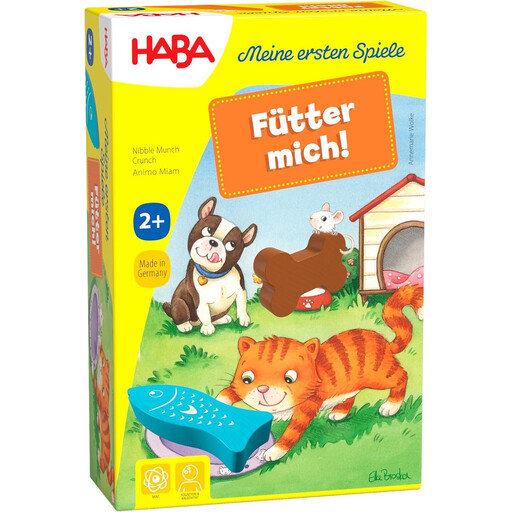
Why this game is a great fit: Ideal for first gaming experiences. The cooperative principle prevents frustration, as everyone plays together. The large, easy-to-grip beechwood pieces are perfect for small hands, and the rules are incredibly simple.
The game is genuinely designed for children aged 2 and up, avoiding the trap of an inaccurate age rating. The sturdy wooden components ensure longevity, while the cooperative goal keeps replay value high for this age group.
Playfully promotes concentration, memory, and fine motor skills. The shared sense of achievement strengthens social skills.
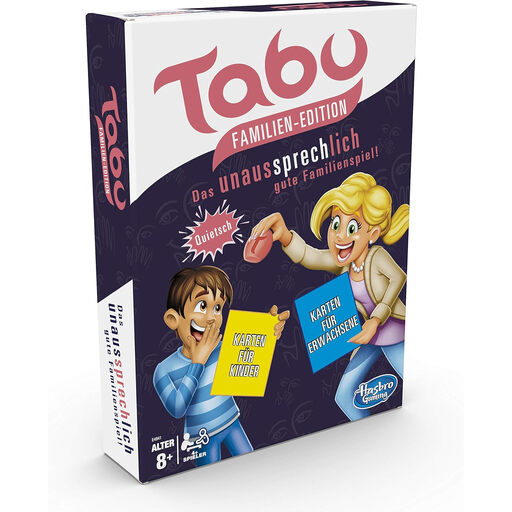
Why this game is a great fit: This classic board game has been specially designed for families. With separate cards for kids and adults, everyone can compete on an equal footing, ensuring balanced and long-lasting fun.
The game elegantly solves the complexity problem by tailoring challenges to each age group. With over 1,000 terms, the replay value is very high, and it won't get boring after just a few games.
Promotes communication skills and creativity for the whole family. The separate card decks create a fair and motivating experience for all generations.
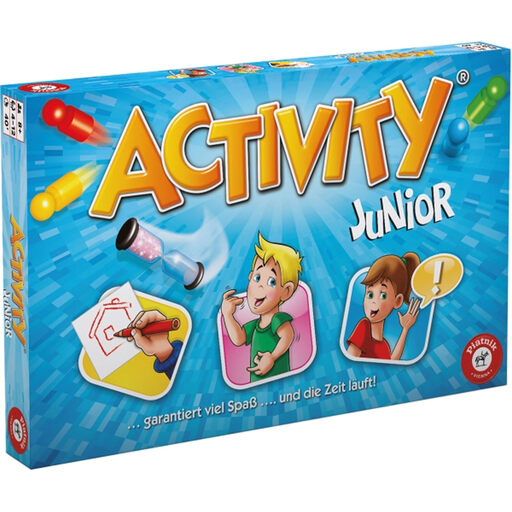
Why this game is a great fit: With a player count of 4 to 12, this game is the ideal choice for kids' birthday parties and larger gatherings. The combination of drawing, describing, and charades ensures plenty of movement and interaction.
High replay value is guaranteed with 990 terms on 330 cards. The varied tasks prevent boredom, and the team-based mechanics keep all players engaged and entertained.
Perfect for large groups, it promotes creativity, teamwork, and communication skills in a very active and entertaining way.
We have compiled a complete, up-to-date list of products that fully meet these strict selection criteria and safety regulations.
The manufacturer's age rating is a starting point. Also consider your child's individual development: Do they have prior experience with games? How long can they concentrate? Are they patient enough to follow rules? Read the game description to gauge its complexity. Cooperative games are often a good entry point, as they remove the pressure to perform.
Very important, for both safety and longevity. Games for younger children should have durable components made from materials like wood or thick cardboard that can withstand rougher handling. For older children, the quality of the game cards and pieces contributes to the overall experience. Always look for the CE mark on the packaging, which confirms conformity with EU safety standards.
An explicit educational game is designed with a clear learning objective, such as practicing maths or letters. However, many regular board games for kids also promote equally important skills—strategic thinking, social interaction, fine motor skills—without making it the main focus. The deciding factor should always be the fun, because children learn best when they are enthusiastically engaged.