
Lieferung heute & morgen

Qualitätsgarantie

Willkommens-Angebote freischalten: KOSTENLOSE Lieferung | Bis zu 80 % RABATT | Kostenlose 30-Tage-JoyPlus-Testphase
App herunterladen
Board games are meant to enrich time spent together, but they are often bought based on the packaging, familiar names or eye-catching advertising claims. It is only during game night that you discover whether a game suits the group. Some board games need considerably more space than expected, while others have complicated rules or are only suitable for a specific number of players.
Three common purchasing mistakes occur particularly often:
The age recommendation is a useful guide to the level of understanding required for the rules and content. Games for ages 8 and over are often suitable for families with school-age children. Games for ages 10 and over may already include more complex decisions, secret roles or longer rounds. Games for ages 16 and over are generally aimed at teenagers and adults and should not be planned for younger children.
The number of players is equally important. Check the following before buying:
“Exciting”, “interactive” or “suitable for every occasion” are not measurable selection criteria. Specific mechanics are much more informative:
Also pay attention to the stated playing time. A game with 30-minute rounds is easier to play several times than one that takes up an entire evening.
Before buying, it is worth checking the product dimensions and materials. Paper or cardboard cards and game boards should be stored in a dry place. Liquids can cause cards to warp or damage printed surfaces. Small playing pieces should be kept out of the reach of children under three.
Electronic board games may require batteries. Music games may need a compatible smartphone, an internet connection and an account with a streaming service. These requirements are not a minor detail, as they affect how spontaneously you can start playing.
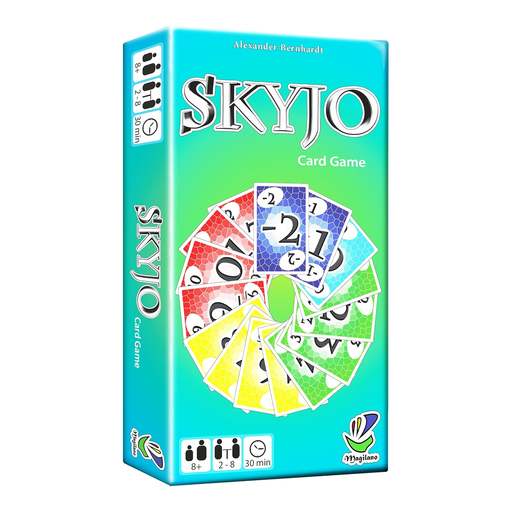
Why this product suits the profile: This card game is designed for 2 to 8 players aged 8 and over and, according to the product information, can be played without batteries and with minimal preparation. This makes it suitable for family games and spontaneous game nights.
The player count, age rating and lack of additional technology are clearly stated. This reduces the risk of buying a game with unsuitable requirements.
Compact card format, 2–8 players and an age recommendation of 8 and over.
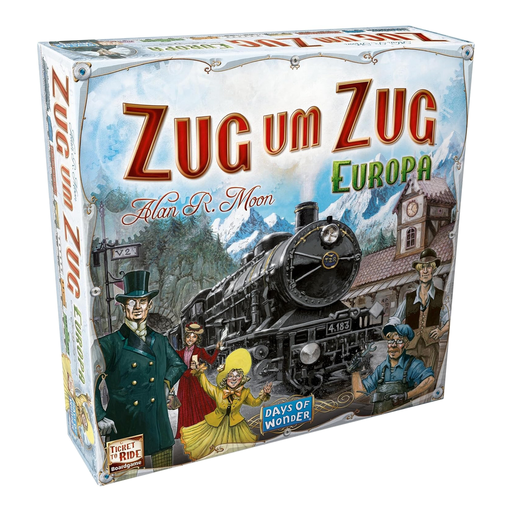
Why this product suits the profile: This board game combines route building, card management and tactical decisions for 2 to 5 players aged 8 and over. The product information states an approximate playing time of 45 minutes or more.
The details on player count, age, materials and playing time make planning easier. If you are looking for a structured strategy game, you can compare its mechanics with your expectations in advance.
2–5 players, ages 8 and over, German-language content and a clearly described route-building principle.
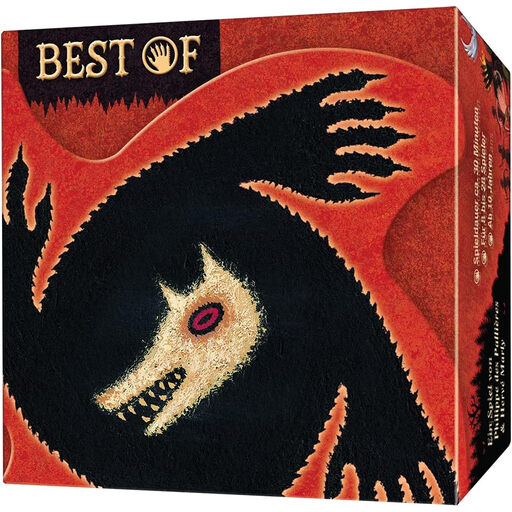
Why this product suits the profile: According to the product description, this party game is designed for 8 to 28 players aged 10 and over. Secret roles, discussion and a game leader make it suitable for large groups and social events.
The unusually high player count is clearly stated. This helps you avoid using a classic game designed for a small group at a large celebration.
For 8–28 players, ages 10 and over, no batteries required and with variable roles.

Why this product suits the profile: This music-based card game is designed for 2 to 10 players aged 16 and over. Cards are placed in chronological order and linked to music through an app.
The technical requirements are clearly specified: a smartphone, free app, Spotify account and internet connection. This allows you to check whether you have the necessary equipment before buying.
Over 300 music cards according to the product information, 2–10 players and use as a party game for adults.
We have put together a complete, regularly updated list of products that fully meet these strict selection criteria and the safety regulations applicable in the EU.
For larger groups, party games with clearly defined roles or short explanations are a practical choice. According to the product information, “Werewolves of Düsterwald” is designed for 8 to 28 players. Games such as Taboo or Activity may also be suitable for groups of four or more. The key factors are the actual number of participants, the age rating and whether a game leader is required.
Their lifespan depends mainly on the quality of the materials, storage conditions and frequency of use. Cards and game boards should be kept dry and clean and protected from direct sunlight. Sorting all the components after each game helps prevent pieces from being lost. Do not continue using a game if any components are damaged or have sharp edges.
Many classic board and card games require neither batteries nor additional purchases. Exceptions include electronic games or music games that require an app and streaming services. Before buying, you should therefore check whether a smartphone, internet connection, batteries or a separate account is required. This helps you avoid unexpected additional costs and problems on your first game night.