
Lieferung heute & morgen

Qualitätsgarantie

Willkommens-Angebote freischalten: KOSTENLOSE Lieferung | Bis zu 80 % RABATT | Kostenlose 30-Tage-JoyPlus-Testphase
App herunterladen
Board games are part of a great get-together for many families, groups of friends and house shares. There’s plenty to choose from, including card games, board games, party games, co-operative games and music games. But that variety can make choosing difficult: a game may look appealing in the product photo, but the number of players, age limit or playing time might not suit your group.
“Up to eight players” doesn’t automatically mean the game works equally well with every group size. Some board games need teams, a host or plenty of space. A game for two to eight players may play very differently with two people than it does with a larger group.
So, check:
The age guidance often takes into account small game pieces, reading ability and the complexity of the rules. A guessing game with short words may be suitable for families, while a game with dark humour or adult content may not be right for children, even if the rules are simple.
Look out in particular for guidance such as “ages 16+”, “ages 18+” and warnings about small parts that could be swallowed. When choosing board games for children, parents should also check whether the instructions are easy to understand and whether an adult needs to supervise play.
Even simple rules can lead to several rounds or lengthy discussions. If you’re looking for a board game to play during a short break, check for a specific playing-time estimate. For a game night with friends, a more involved game may be just the thing, as long as everyone has enough time.
Choose between co-operative games, where everyone works towards a shared goal, and competitive games with winners and losers. Co-operative games can be a good way to get a family game night started, as no one person is playing against everyone else. Strategy and guessing games, on the other hand, are a great fit if you enjoy planning, making connections or communicating under time pressure.
For larger groups, games with clear roles and short turns are usually easier to follow. With eight or more players, party games or social deduction games are worth considering. According to its product description, The Werewolves of Miller's Hollow – Best Of is designed for 8 to 28 players aged 10+ and requires a host.
If you’re playing in German, make sure the instructions are available in German. Card content, wordplay and music choices can also vary in how easy they are to understand in different regions. For board games for adults, it’s also worth checking the themes and humour. This is especially important for games featuring dark humour, provocative questions or drinking-game elements.
Card games made from paper or card are easy to store and carry. Board games with a game board, playing pieces or large cards, on the other hand, need a stable, flat surface. Also check whether batteries, a smartphone, an app or an internet connection are required.
According to the product details, Hitster Bingo requires a device to scan the cards, and three AAA batteries are listed for the scanning function. Other games such as Wizard, SKYJO and Taboo don’t need batteries. Knowing the difference helps you avoid extra preparation and unexpected costs.
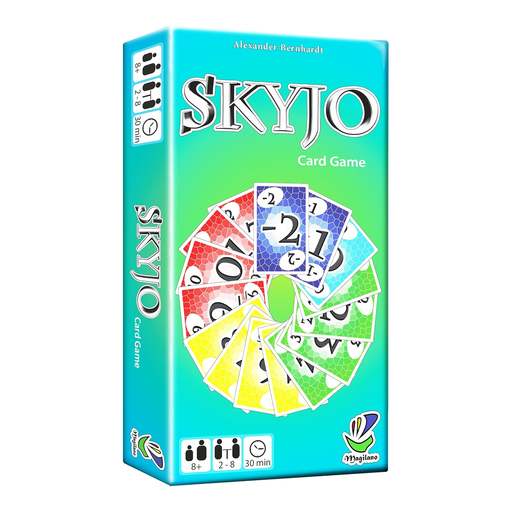
Why it’s a good fit: This card game is designed for 2 to 8 players aged 8 and over. According to the product description, you can get started without any set-up or batteries. That makes it ideal for impromptu family games and shorter game nights.
The player count and minimum age are clearly stated. Its compact format means it takes up little space, and no batteries are needed to play.
2–8 players, ages 8+, compact packaging and German-language or multilingual gameplay, according to the product details.
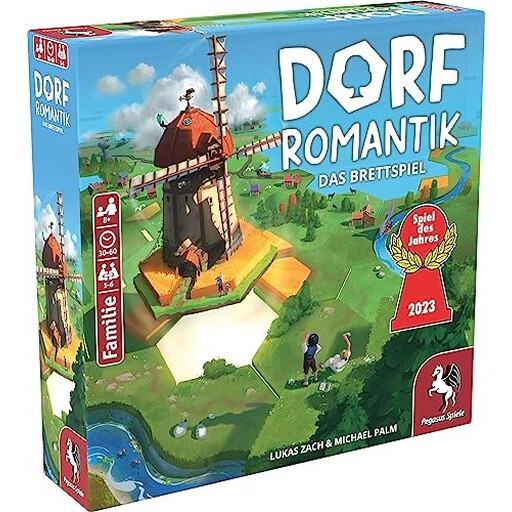
Why it’s a good fit: This co-operative board game is designed for 1 to 6 players aged 8 and over. Players place tiles together and, according to the description, unlock additional materials and challenges as they play.
The product details state the player count, age, materials and that batteries aren’t needed. This makes it easy to check whether the contents will suit your household before you buy.
Co-operative gameplay, 1–6 players, card components and additional game elements, according to the product description.
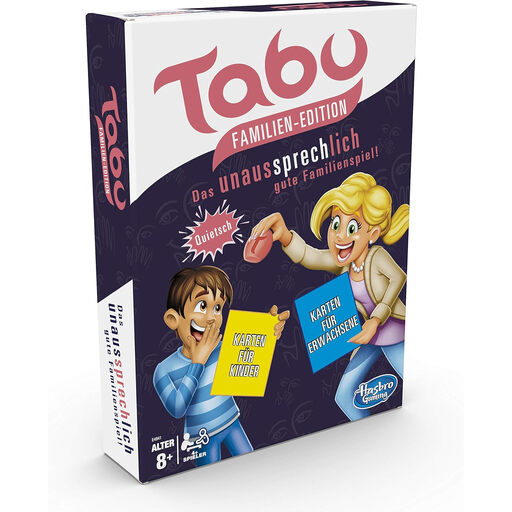
Why it’s a good fit: This edition includes separate cards for children and adults and, according to the product details, is designed for at least four players aged 8 and over. That makes it a good choice for family get-togethers with several generations.
Separating the cards by age helps ensure that the words aren’t equally challenging or unsuitable for every age group.
260 cards, a sand timer, at least 4 players and team play where you explain words against the clock.

Why it’s a good fit: This music game is designed for 2 to 10 players aged 16 and over. Play songs from the cards using an app and Spotify, then put them in chronological order.
The product details clearly state that you need an app, a smartphone, Spotify and an internet connection. This lets you check the ongoing requirements before buying.
More than 300 tracks, according to the product description, 2–10 players and a chronological gameplay format.
We’ve put together a complete, regularly updated list of products that meet these strict selection criteria and comply with the safety regulations in force in the EU.
Use the stated minimum and maximum player numbers as a guide. Games for two or more are a good fit for smaller groups. Party games and social deduction games often work best with at least four or eight players.
Lifespan depends mainly on the quality of the materials, how the game is stored and how often it’s played. Keep cards and game boards dry and clean, and out of direct sunlight. Damaged or missing pieces can affect how the game plays.
Many card games and board games have no ongoing costs. Music games, however, may require a smartphone, an app, a Spotify account, internet access or batteries. Check these details before you buy, especially if you’re giving the game as a gift or plan to take it with you.