
Lieferung heute & morgen

Qualitätsgarantie

Willkommens-Angebote freischalten: KOSTENLOSE Lieferung | Bis zu 80 % RABATT | Kostenlose 30-Tage-JoyPlus-Testphase
App herunterladen
A modern body analysis scale, often called a body fat scale or smart scale, promises much more than just displaying your weight. It provides detailed insights into metrics like body fat percentage, muscle mass, and BMI. However, the market is crowded, and many devices fail to deliver on their marketing promises. This guide will help you avoid common purchasing pitfalls and find a model that objectively meets your needs.
Before you make a decision, you should be aware of the typical problems that can lead to frustration with many models.
To avoid these pitfalls, you should focus on a few core technical features that determine a scale's reliability and functionality.
Modern body analysis scales use Bioelectrical Impedance Analysis (BIA). This method sends a weak, imperceptible electrical current through the body. Since fat, muscle, and water conduct electricity differently, the scale can calculate the body's composition. Good contact between your feet and the electrodes is crucial for an accurate measurement.
The method of data transfer to an app is a key convenience feature.
Also, check if the companion app is compatible with other health platforms like Apple Health, Google Fit, or Samsung Health to manage all your health data in one place.
A good diagnostic scale measures, in addition to weight, at least body fat percentage, water percentage, muscle mass, and bone mass percentage. The BMI (Body Mass Index) is often calculated from this data. Pay attention to the maximum number of storable user profiles, especially if the scale will be used by multiple people in the household.
Here are some models that represent a considered choice for different user groups based on their objective features.
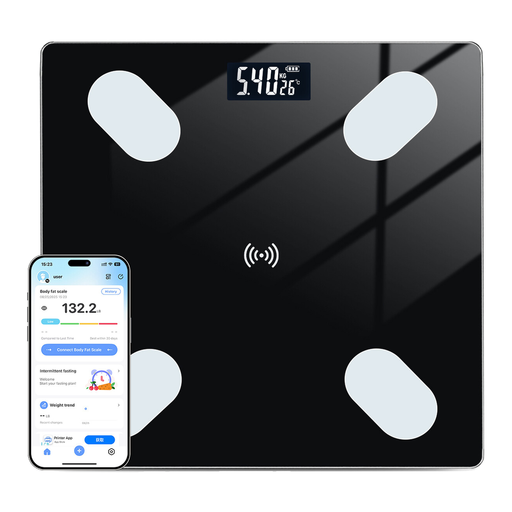
Why This Fits Their Persona: Ideal for users looking for a straightforward and functional smart scale to get started. It offers all the basic analysis features without breaking the bank.
Its focus on a stable Bluetooth connection with the established OKOK app minimises the risk of synchronisation errors. The clear instructions for placement on a hard surface help prevent measurement inaccuracies.
Tracks 13 essential health metrics. Supports multiple user profiles with automatic recognition, which is sufficient for couples or small shared living spaces.
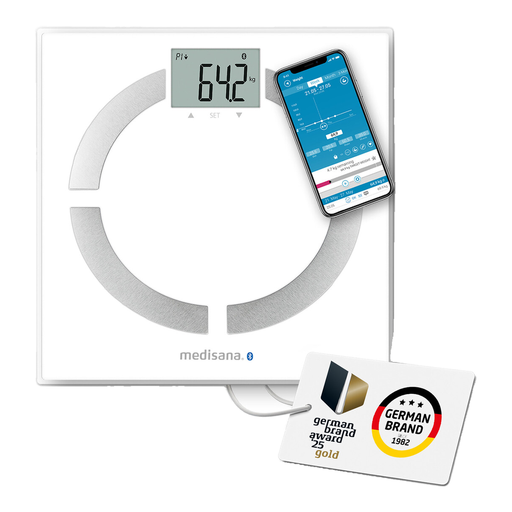
Why This Fits Their Persona: Designed for family use. The scale offers reliable management for multiple people and comes from a well-established health brand in Germany.
The automatic recognition of up to 8 users is a clear, specified feature that addresses the pitfall of incorrect data assignment with multiple users. The VitaDock+ app is a mature platform, which reduces the risk of software issues.
Measures weight, body fat, body water, muscle and bone mass. Data transfer via Bluetooth to the VitaDock+ app allows for comprehensive analysis and long-term tracking.
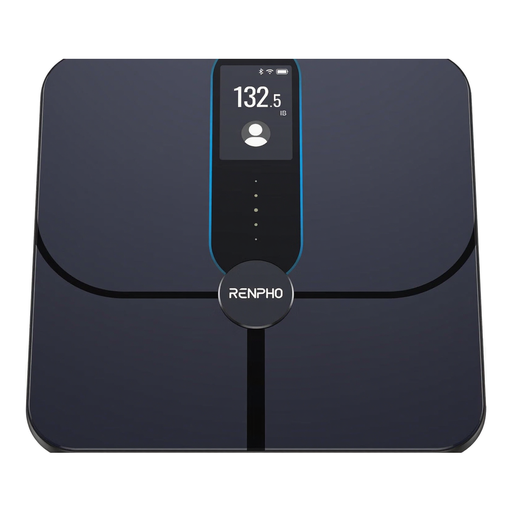
Why This Fits Their Persona: For users who value maximum connectivity, a high-quality display, and effortless data synchronisation. The combination of Wi-Fi and Bluetooth offers ultimate flexibility.
The dual connectivity (Wi-Fi & Bluetooth) solves the problem of unreliable synchronisation, as data is transferred even without a directly connected smartphone. The large TFT display shows metrics directly on the scale, making it less dependent on the app.
Rechargeable via USB-C, which eliminates the need for battery changes. Offers special modes (e.g., Athlete Mode) for tailored analysis and a high measurement precision of 100g.
We have compiled a complete, up-to-date list of products that fully meet these strict selection criteria and all relevant safety regulations.
Body analysis scales for home use should not be considered medical diagnostic devices. Their strength lies in tracking trends over a longer period. The absolute accuracy of body fat or muscle mass measurements can differ from professional medical equipment. For reliable trend analysis, it is crucial to always take measurements under the same conditions: at the same time of day (preferably in the morning after waking up), on the same surface, and with dry feet.
Yes, this is essential for consistent measurement results. Always place the scale on a hard, flat surface like tile or parquet flooring. Carpets, soft floor coverings, or uneven floorboards can interfere with the sensors and lead to significant measurement errors. If you move the scale, allow it to calibrate briefly by tapping it once until "0.0" is displayed before stepping on.
No, you should avoid this for two reasons. First, there is a significant risk of slipping on the smooth glass surface. Second, water can alter the electrical conductivity of your skin, thereby distorting the result of the Bioelectrical Impedance Analysis (BIA). For a safe and accurate measurement, your feet should always be clean and dry.