
Lieferung heute & morgen

Qualitätsgarantie

Willkommens-Angebote freischalten: KOSTENLOSE Lieferung | Bis zu 80 % RABATT | Kostenlose 30-Tage-JoyPlus-Testphase
App herunterladen
A body analysis scale can show much more than your weight. Depending on the model, it can measure body fat, body water, muscle mass, bone mass and BMI, among other things. When choosing one, though, the longest list of measurements isn’t what matters most. What counts is whether the features suit your everyday routine.
Many buyers look first for app connectivity or a modern glass design. In doing so, they can overlook important details such as measuring conditions, maximum capacity and display readability. The advice below can help you avoid common buying mistakes.
A smart body analysis scale usually uses bioelectrical impedance analysis, or BIA for short. A weak electrical current passes through the contact points, and the scale uses it to estimate body fat, body water and muscle mass. These estimates can be affected by factors such as skin contact, hydration, time of day and posture.
The readings are therefore best used to track changes over time under comparable conditions. They’re no substitute for a medical examination and shouldn’t be used to diagnose a condition yourself. If you have a pacemaker, defibrillator or other implanted electronic device, follow the relevant safety instructions. Some models should only be used to measure weight in these circumstances.
A Bluetooth body fat scale usually sends data to a smartphone. Before you buy, check:
An app-connected scale can make it easier to see how your readings change over time. But without regular syncing and a consistent measuring routine, its practical benefits are limited.
Models with a capacity of 180 kg, 200 kg or 250 kg differ in more than their maximum load. The size of the platform, stability on the floor and display readability also matter. A scale with a capacity of up to 250 kg may be a good choice if you need a higher capacity. For other households, a scale with a capacity of up to 180 kg or 200 kg may be sufficient.
A basic digital bathroom scale only displays your weight. Depending on the model, a body fat scale can also show readings such as body fat percentage, body water, muscle mass, bone mass, BMI or basal metabolic rate. The key is to think about which readings you’ll actually use regularly.
If you choose a BIA model, always weigh yourself under similar conditions: on a hard, flat, dry surface, with clean, dry feet and, if possible, at the same time of day. Carpets and uneven floors can affect the results.
A large LCD or LED display is useful if you want to read your measurements without bending down. Backlit or colour displays can make the readings easier to see, while a hidden display helps create a more minimalist look.
Other useful features include:
Common materials include safety glass, ABS plastic, stainless steel contacts and ITO-coated glass. The material alone doesn’t tell you how practical a scale will be day to day. Check the platform dimensions, the height of the scale and its feet.
A digital bathroom scale shouldn’t be placed where it’s exposed to direct splashes. Wet feet and a damp glass surface increase the risk of slipping. Don’t continue using a scale with a damaged or cracked glass surface.

Why this product suits this profile: A compact 28 × 28 × 3 cm design makes this a good choice if you’re new to body analysis. As well as weight, it measures body fat, body water, muscle mass and bone mass.
The product description clearly lists what it measures, rather than focusing only on a general app feature. The readings should still be treated as a guide.
Bamboo platform, lightweight design and a range of body measurements for regular use at home.
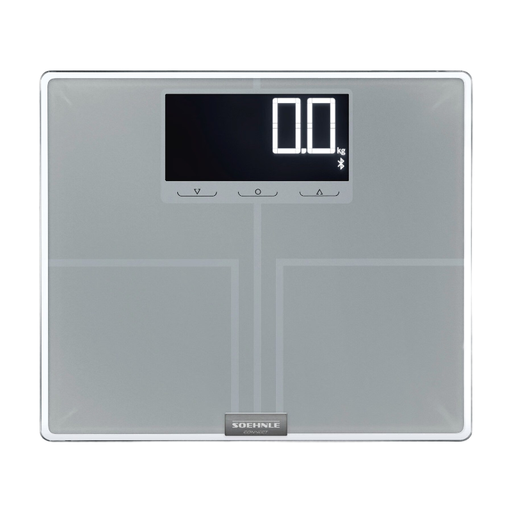
Why this product suits this profile: This scale has a capacity of up to 200 kg and combines BIA measurements with Bluetooth data transfer to the MyScale app. A large, backlit LCD display and support for up to eight user profiles make it easy to use regularly.
App compatibility, automatic user recognition and Bluetooth connectivity are all clearly specified. Check that your smartphone’s operating system and the app requirements are compatible before buying.
Maximum capacity of 200 kg, 100 g increments, reference ranges on the display and progress tracking in the app.
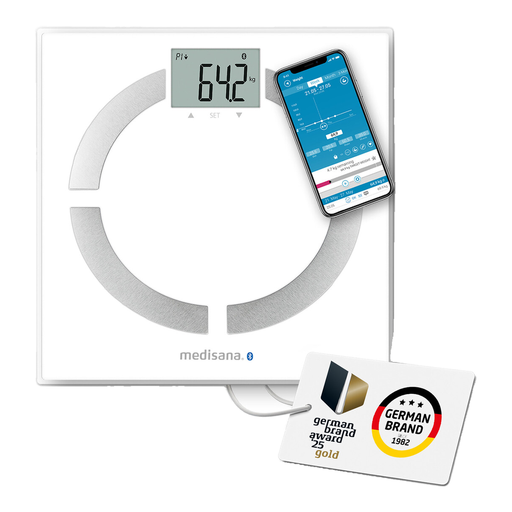
Why this product suits this profile: This model supports up to eight users and uses Bluetooth to send weight, body fat, body water, muscle mass, bone mass and BMI readings to the VitaDock+ app.
The maximum capacity of 180 kg and supported units of kg, lb and st are clearly stated. Take measurements barefoot on a hard, flat surface.
Automatic user recognition, a large LCD display and app storage for multiple people.
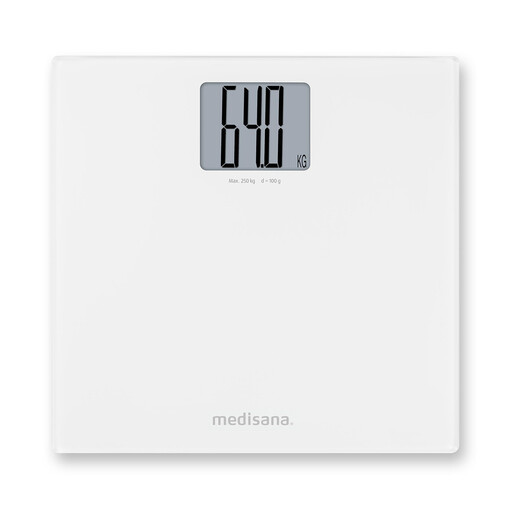
Why this product suits this profile: If you need a high capacity and an easy-to-read display, this classic digital bathroom scale offers a 250 kg capacity, 100 g increments and 71 mm-high digits.
The capacity, display size and overload indicator are clearly specified. As this is a weight-only scale, it doesn’t claim to provide additional BIA readings.
Maximum capacity of 250 kg, XL platform, automatic switch-on and switchable units: kg, lb and st.
Keep your body analysis scale on a hard, flat floor. If possible, weigh yourself at the same time of day and under similar conditions. Readings taken after getting up, before eating and with dry feet are easier to compare over time than measurements taken at different times and in varying conditions.
Clean the platform with a soft cloth and avoid harsh cleaning products. If you won’t be using the scale for a long time, remove the batteries as instructed by the manufacturer. Also check the age guidance for your model: body analysis readings may be harder to interpret for children and teenagers.
We’ve put together a complete, regularly updated list of products that meet these strict selection criteria and fully comply with the safety regulations in force in the EU.
Many body analysis scales use BIA, with electrodes on the platform. The scale uses the electrical readings and the details you provide to calculate body fat, body water or muscle mass. These readings aren’t the same as a medical examination.
For many people, weighing themselves once or several times a week is enough to track changes over time. A consistent time, posture and set of conditions matter more than measuring frequently.
Most models run on batteries. Ongoing costs depend on how often you use the scale, the type of battery and whether it switches off automatically. Bluetooth or Wi-Fi models may also require smartphone and app permissions. So, as well as the purchase price, check the cost of replacement batteries and any requirements for using the app over the long term.