
Lieferung heute & morgen

Qualitätsgarantie

Willkommens-Angebote freischalten: KOSTENLOSE Lieferung | Bis zu 80 % RABATT | Kostenlose 30-Tage-JoyPlus-Testphase
App herunterladen
Dry skin can feel tight after a shower, become flaky in rough patches or look cracked on your heels and elbows. But choosing the right care isn’t just about finding a rich texture. The ingredients, how you use the product and whether it suits the area of skin you’re treating all matter.
1. Assuming a rich texture means your skin is getting enough care
A firm body butter or thick body balm can feel lovely, but it won’t necessarily suit every area of skin. A body cream that spreads easily may be more practical for all-over use. Very dry areas such as heels, knees and elbows often benefit from a more concentrated formula.
2. Relying on marketing claims instead of checking the ingredients list
Words such as ‘intensive’, ‘natural’ or ‘long-lasting’ don’t tell you much about what’s actually in a product. Check whether it contains ingredients such as glycerin, shea butter, plant oils or urea. Fragrance can make a product feel more enjoyable to use, but it’s worth considering if you have sensitive skin.
3. Using body and foot care products interchangeably
The skin on your feet is often put under more strain and can be considerably rougher than the skin on your arms or legs. A standard body cream may not be enough. For hard skin and dry heels, a specially formulated product such as a foot balm, hard skin balm or urea foot cream is a more suitable choice.
For dry skin, look for ingredients that help retain moisture and replenish the skin’s oils. Glycerin helps the outer layer of skin hold on to moisture. Shea butter, cocoa butter and plant oils give body butters and body balms a rich consistency.
Urea can be an important ingredient in products for rough feet. Check the concentration on the packaging. For example, a clearly labelled 10% urea formula is easier to assess than a product that simply promises ‘intensive moisture’. If you have open, inflamed or weeping areas of skin, don’t assume a cosmetic product will treat them. It’s best to seek medical advice in these cases.
It’s generally best to apply your chosen product straight after a shower or bath, to dry or towel-dried skin. This helps you spread it evenly without using more than you need.
If you prefer vegan body care, look for a clearly stated vegan certification. For natural cosmetics, certifications such as NATRUE can help guide your choice. ‘Dermatologically tested’ describes a product feature, but it doesn’t guarantee that a product will suit everyone.
If you have sensitive skin, pay particular attention to fragrance and fragrance allergens that must be listed on the packaging. If you’re unsure, try a small amount on a limited area of skin first. Follow the instructions on the packaging, such as ‘for external use only’ or ‘avoid contact with eyes’.
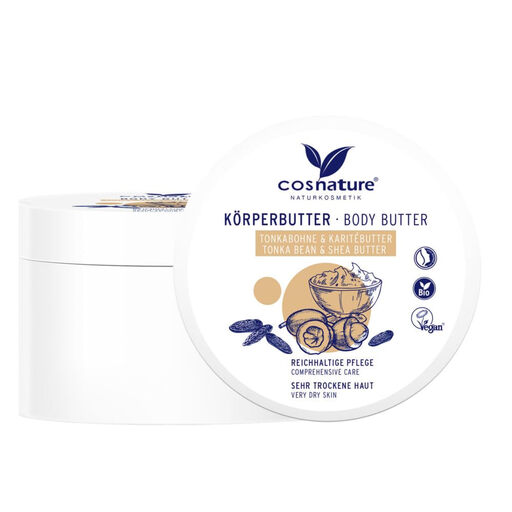
Why this product suits this shopper: This body butter combines shea butter, cocoa butter, sweet almond oil and tonka bean extract. According to the product information, it’s designed for very dry skin and for daily use.
The listed ingredients give you more to go on than a general skincare claim. NATRUE and vegan certification are explicitly stated.
200 ml; stated to be vegan and NATRUE-certified; rich formula with shea butter and plant oils.
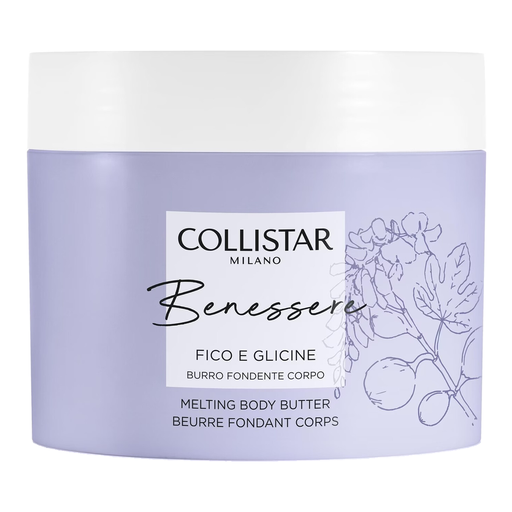
Why this product suits this shopper: This body butter combines shea butter, almond oil and fig extract in a fragranced formula. It’s for shoppers who want to combine body care with a distinctive fragrance experience.
The product description lists both the key conditioning ingredients and the fragrance allergens that must be declared. This makes it easier to choose a product that suits your fragrance preferences.
200 ml; formula contains shea butter and almond oil; clear information about fragrance notes and ingredients.
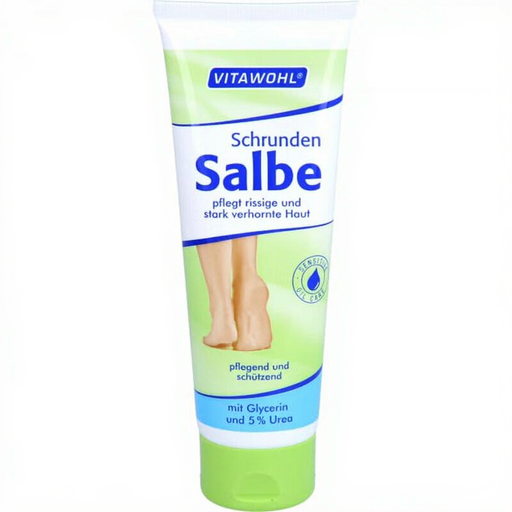
Why this product suits this shopper: The concentrated ointment is designed for particularly dry, rough areas such as heels, elbows and knees. According to the product information, it contains urea, panthenol and glycerin.
It’s intended for dry problem areas rather than general all-over use. Follow the advice to avoid applying it to open or infected skin.
100 ml; contains urea, panthenol and glycerin according to the product information; designed for dry areas on feet, knees and elbows.
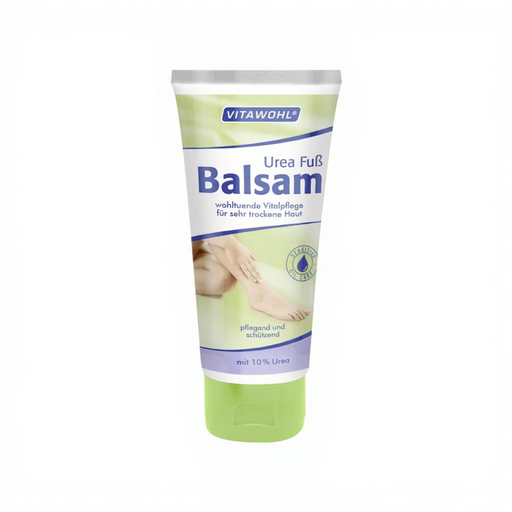
Why this product suits this shopper: The stated 10% urea content makes it easier to assess for shoppers looking for targeted care for dry feet. According to the product information, apply the balm to clean, dry feet.
The concentration is clearly stated. This removes the uncertainty you might face with products that don’t specify their urea content or the amount of similar ingredients.
10% urea according to the product name; 75 ml; designed for daily use on dry feet.
We’ve put together a complete, regularly updated list of products that meet these strict selection criteria and fully comply with the safety regulations in force in the EU.
After washing, apply body care evenly and focus on particularly rough areas if your skin is very dry. For your feet, it may help to apply balm in the evening and then put on cotton socks, if the product instructions allow. Regular, modest application is usually more practical than using a large amount occasionally.
If you’re looking for a gift, you could pair body care with a fragrance product. The Afnan Supremacy Silver Eau de Parfum Gift Set for Men contains Eau de Parfum, shower gel and aftershave balm. It’s a gift option for anyone who prefers a coordinated fragrance range. If they have sensitive skin, bear the fragrances in the set in mind.
A rich body butter or body balm containing ingredients such as shea butter, glycerin or plant oils may be suitable. More concentrated products are an option for particularly rough patches. The formula, how well it suits your skin and the instructions on the packaging are all important.
It depends on the product and your skin. Many foot care products are designed for daily use. If you’re using a urea foot balm, follow the manufacturer’s instructions and apply it regularly to clean, dry feet.
The packaging usually shows how long a product lasts after opening, for example, an open jar symbol with a number of months. You should also keep an eye on its smell, colour and texture. If the product changes noticeably or causes irritation, stop using it.