
Lieferung heute & morgen

Qualitätsgarantie

Willkommens-Angebote freischalten: KOSTENLOSE Lieferung | Bis zu 80 % RABATT | Kostenlose 30-Tage-JoyPlus-Testphase
App herunterladen
A body composition scale should do more than a digital bathroom scale: as well as your weight, many models show body fat, BMI, muscle mass or body water. In practice, however, scales vary considerably in their measurement methods, app connectivity, weight capacity and ease of use. If you focus only on a long list of body measurements or a modern glass design, you may end up buying features you rarely use.
A body fat scale usually uses bioelectrical impedance analysis, or BIA. A very weak electrical current passes through the body via the feet. The calculated readings can be affected by factors including skin moisture, time of day, posture and recent exercise.
The results should therefore be treated as at-home readings for tracking changes over time, not as a medical diagnosis. Body fat readings are more useful when you take measurements under similar conditions each time: in the morning, with dry skin and on the same hard floor.
A smart scale with an app or a Bluetooth body fat scale is useful if you want to save and compare your readings regularly. Before buying, check:
A Wi-Fi body composition scale can sync data automatically, but often needs to be set up on a 2.4 GHz network. If you only check your weight occasionally, a model without an app may be all you need.
Don’t choose a maximum weight capacity that leaves little room to spare. A bathroom scale with a capacity of up to 180 kg is enough for many households. If you weigh more or want an extra safety margin, a high-capacity scale may be a better choice. Platform size matters too: standing on a very compact bathroom scale may be less comfortable if you have larger feet.
Digital models often show weight in 100 g or 50 g increments. Smaller increments can help you track changes, but they don’t automatically mean a medically more accurate reading. Mechanical scales commonly use 500 g increments. The medisana PSD, for example, needs no battery and displays weight on an analogue dial in 500 g increments.
A clear LCD or LED display is particularly important if you need to read the numbers while standing. Models with a large display are a good choice if you’d rather not bend down to see your weight.
Safety glass platforms are easy to clean, but should not be used if damaged or while wet. Place your scale on a hard, level and dry floor. Carpets, bath mats and uneven surfaces can affect the reading or make the scale less stable.
For regular use in the bathroom, non-slip feet, a stable platform and an easily accessible battery cover are also worth considering. Do not immerse electronic devices in water or leave them exposed to high humidity for long periods.
A mechanical bathroom scale doesn’t need batteries. Depending on the product, digital models use AAA, button or rechargeable lithium batteries. Check whether batteries are included. For example, the Sparoma AD-26 requires two AAA batteries, which are not included according to the product information.
Automatic user profiles and a high weight capacity can make a scale more convenient for families. If you only want to check your weight, these features may not be essential.
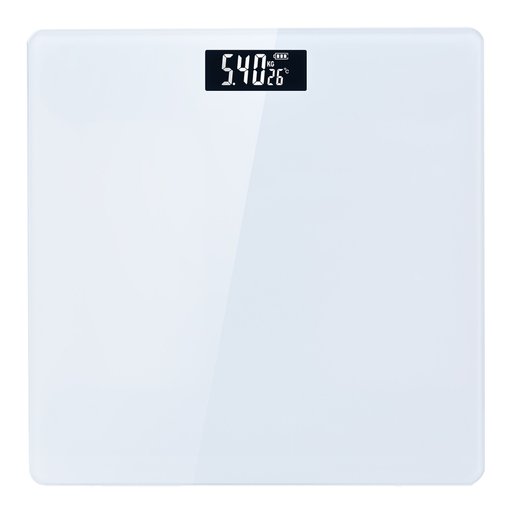
Why this product suits this profile: This digital bathroom scale focuses on weight readings, making it a good choice for everyday checks without the need to set up an app.
Its features are straightforward, so there’s no need for unnecessary apps or accounts. You’ll still need a hard, level surface for comparable readings.
According to the product information: 180 kg capacity, 0,05-kg increments, LCD display and a switch between kg and lb.
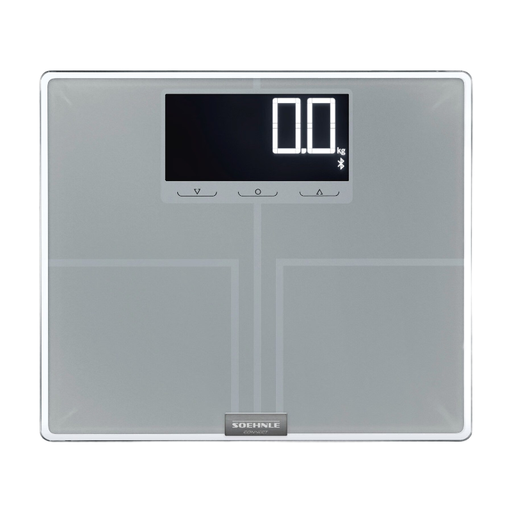
Why this product suits this profile: If you want to track your weight and body composition in an organised way using an app, this model offers Bluetooth data transfer and several user profiles.
The app connection is clearly based on Bluetooth and the accompanying MyScale app. This makes its connectivity more predictable than vague promises about unspecified connections.
According to the product information: capacity of up to 200 kg, 100 g increments, automatic recognition of up to eight users and a backlit LCD display.
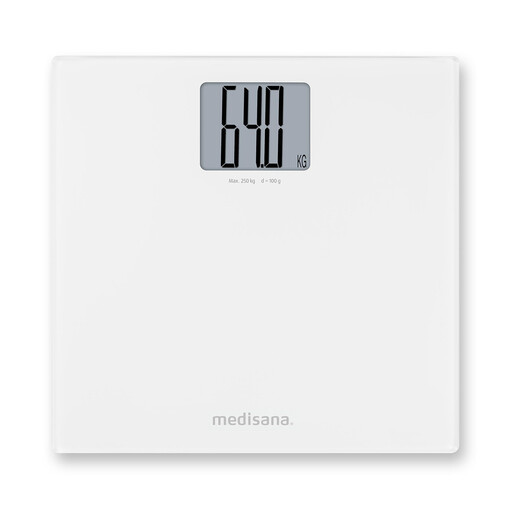
Why this product suits this profile: This XL bathroom scale is designed for households where a large platform, easy-to-read numbers and a high weight capacity matter more than body composition features.
There’s no reliance on an app. The automatic switch-on and display work without a smartphone, so you can use the scale straight away.
According to the product information: maximum capacity of 250 kg, 100 g increments, 71 mm digit height and a switch between kg, lb and st.

Why this product suits this profile: Designed for several users and regular tracking, this model combines Bluetooth and Wi-Fi with an app and automatic user recognition.
The power supply is described as a rechargeable system supported by light. Even so, check before buying whether the scale’s location gets enough light.
According to the product information: 13 body composition measurements, 180 kg capacity, Bluetooth and Wi-Fi, plus syncing with several health platforms.
We’ve put together a complete, regularly updated list of products that meet these strict selection criteria and fully comply with the safety regulations in force in the EU.
Most models use BIA. Electrodes measure a weak electrical current, and the scale uses the resistance to calculate various readings. Weight and body composition should be considered separately: sensors measure weight directly, while body fat and muscle mass are estimates based on the model.
Its lifespan depends on how it is used, how the batteries are cared for, the surface it stands on and how the glass platform is handled. Don’t overload the scale, clean it with water or drop it. If you’re storing a battery-powered scale for a long time, remove the batteries if the instructions recommend doing so.
Digital scales usually use power only when switched on and transferring readings. Models with Bluetooth or Wi-Fi may use more power in standby mode than a basic digital or mechanical bathroom scale. Automatic switch-off, suitable batteries and an energy-saving connection mode help keep power consumption down.